
When a Company Changes, What Happens to Its Culture?
By Sarah Williams, Founder of Leading Culture | Business Growth Strategist
When a company grows, things change. Teams get bigger, new roles are introduced, processes become more complex and the way people work together gradually evolves.
For a while, these changes can feel like a natural part of success but what happens when the very structure that helped a company grow starts getting in the way?
This is a question worth considering following Canva's recent announcement that 1,271 employees, representing 22% of its workforce, would be affected by a major organisational restructure. The changes include redundancies, role adjustments and relocations as the company looks to simplify its structure and return to smaller, more empowered teams. It's a significant moment for a business that has grown into a globally recognised platform, and it highlights the relationship between growth, people and culture.
Growth changes the way we work
In the early days of a business, things often happen quite naturally. Teams are small, communication is direct and people tend to have a good understanding of what everyone else is working on. I heard Mark Cuban describe it as a family, he says any team under 100 is like a family.

As organisations grow, that closeness can become harder to maintain. More people join, responsibilities become divided across departments, and additional layers of management emerge. Processes that once felt straightforward can become complicated. Decisions may take longer, and teams can find themselves working towards similar goals without always working closely together. This isn't unusual. Growth brings complexity, and organisations need to evolve to keep up.
However, there's a point where businesses need to step back and consider whether the way they're organised still supports the work they want to do.
Canva's decision to bring its Product, Growth and Platform teams together reflects this challenge. The company wants to reduce handovers, simplify ownership and give smaller teams more freedom to make decisions. It's a reminder that organisational structures have a real influence on how people collaborate, communicate and get things done.
Culture is tested during change
Organisational culture is often discussed in terms of values, behaviours and the working environment but some of its most defining moments happen when things become uncertain. Restructuring affects far more than an organisation chart. It affects people's livelihoods, relationships, routines and sense of belonging. For those leaving, there's the uncertainty of finding a new opportunity. For those staying, there may be questions about their own roles, their colleagues and what the organisation will look like moving forward.
Even people who aren't directly affected can feel the impact. This is where leadership becomes particularly important. How decisions are communicated, whether people feel heard, and how much care is shown throughout the process can shape how employees experience change.

Canva has also attracted attention for its support package for departing employees, which includes at least six months' salary, career assistance and continued healthcare coverage where available. While these measures cannot remove the difficulty of losing a job, they demonstrate the importance of considering the people behind organisational decisions.
The people who leave are part of the story
When organisations restructure, much of the conversation tends to focus on efficiency, future direction and what comes next. Yet the people leaving have contributed to the organisation's journey. They've helped build its products, relationships, knowledge and ways of working.
Their contribution doesn't disappear when their employment ends.
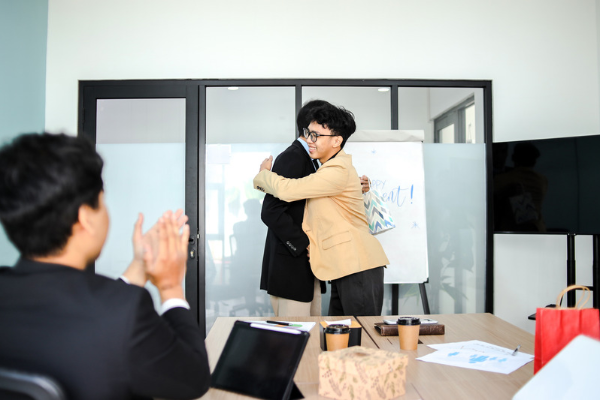
There's also something worth considering for the people who remain. How an organisation treats departing colleagues sends a message to everyone still there. People notice how difficult decisions are handled. They remember whether communication was thoughtful, whether promises were kept and whether people were treated with dignity. Those experiences become part of how employees understand the organisation and its values.
What does the next chapter look like?
Every organisation will experience change at some point. Some changes come through growth, others through new technology, shifting markets or the need to rethink how the business operates. The challenge for leaders is making sure that the organisation's direction and its people remain connected throughout the process.

That means being clear about why change is happening, creating opportunities for honest conversations and paying attention to how people are experiencing the transition. It also means recognising that culture takes time to build and that trust can be affected by a single difficult decision.
Canva's restructuring is a reminder that even successful, well-known organisations need to revisit how they work as they grow.
Change of any kind is never easy, so perhaps there's a question every leadership team should be asking:
What do we want people to remember about the way we handled change in our business?
Want more like this?
Stay connected with Leading Culture.
Sign up for our newsletter and receive our latest blogs straight to your inbox every fortnight, featuring fresh perspectives and practical insights on leadership, business growth, workplace culture, AI and innovation.
👉 Subscribe now and never miss a new article.
Work with Leading Culture
Got a question about building a team culture where people feel heard? Send me an email, or let’s find 15 minutes for a quick chat.


