AI Summer Series
Clear thinking for leaders navigating AI and business growth.

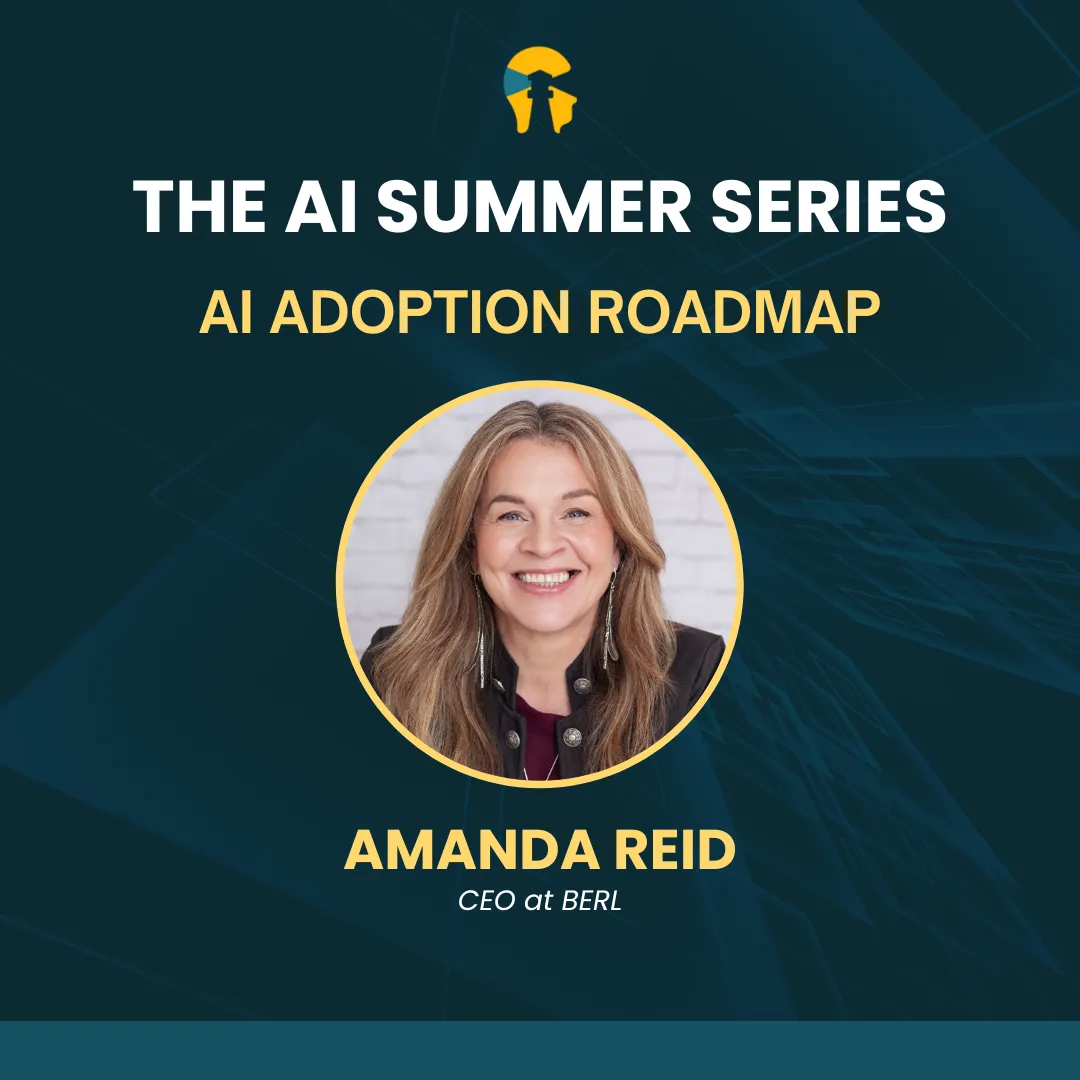
AMANDA REID
CEO at BERL
Amanda Reid is CEO at BERL, a leading New Zealand economic research consultancy. She specialises in economic analysis, strategic research, and stakeholder engagement, focusing on the Māori economy and labour market. Her research examines barriers and enablers to labour market and business participation, and their impact on inclusion.
💡Key Takeaways
1. Prioritize Strategy Over Tools
AI should be viewed as a strategic shift in capability rather than a simple technology purchase. Amanda argues that starting with strategy forces an organization to clarify the specific problems it aims to solve and the outcomes it values. Without this foundation, businesses risk implementing fragmented pilots that lack staff buy-in or fail to provide measurable value. The recommended order of implementation is:
➣ Strategy
➣Governance
➣Capability
➣And finally tools.
2. Data Mapping and Privacy Hygiene
Before adopting AI, organizations must act as responsible "caretakers" of their data. This involves:
• Mapping data landscapes: Identifying what data is held, whether it is personally identifiable, and the original purpose for its collection.
• Data Sovereignty: Specifically checking if information from indigenous sources is being used and whether the organization has the right to feed that data into AI tools.
• Privacy Obligations: Ensuring the business already has strong privacy hygiene and adheres to local legislation, such as the New Zealand Privacy Act, before introducing AI into the system.
3. Focus on Discrete Use Cases
Amanda defines a use case as a discrete task or process. She suggests starting with small, specific tasks because generative AI often struggles with high complexity.
• Effective use cases: Drafting emails, editing documents for style guide adherence, checking code for errors, and summarizing columns in large spreadsheets.
• Ineffective use cases: Writing an entire complex report, which involves too many parts (like numerical analysis and literature reviews) for the AI to handle reliably.
4. The "Human-AI-Human" Approach
To mitigate risks like "hallucinations" or bias, Amanda advocates for a process where humans provide the input and critically review the output. AI models struggle at managing complexity and context therefore the goal is to use AI to handle mundane tasks, freeing up staff to focus on strategic analysis and client problem-solving.
5. Overcoming Constraints and Seizing Opportunities
The interview identifies several factors that impact AI adoption:
• Constraints: These include limited in-house capability, fragmented data systems, client trust issues, and "change fatigue" among staff.
• Opportunities: AI can provide productivity gains in administrative areas, elevate the quality of communications, and help small teams compete with larger organizations by leveling the playing field. It also assists in maintaining brand voice consistency across different authors.
6. Critical Success Factors for Leaders
For leaders approaching their first year of AI adoption, Amanda highlights two essential areas:
• Governance with Accountability: Establish a leadership group representing different areas of the organization to oversee AI use, develop simple policies, and conduct risk assessments before deploying new tools.
• Capability and Culture: Treat AI as a shared organizational practice. This includes building shared prompt libraries, encouraging staff to share both successes and failures, and ensuring that leaders model the use of the technology themselves rather than outsourcing that knowledge.


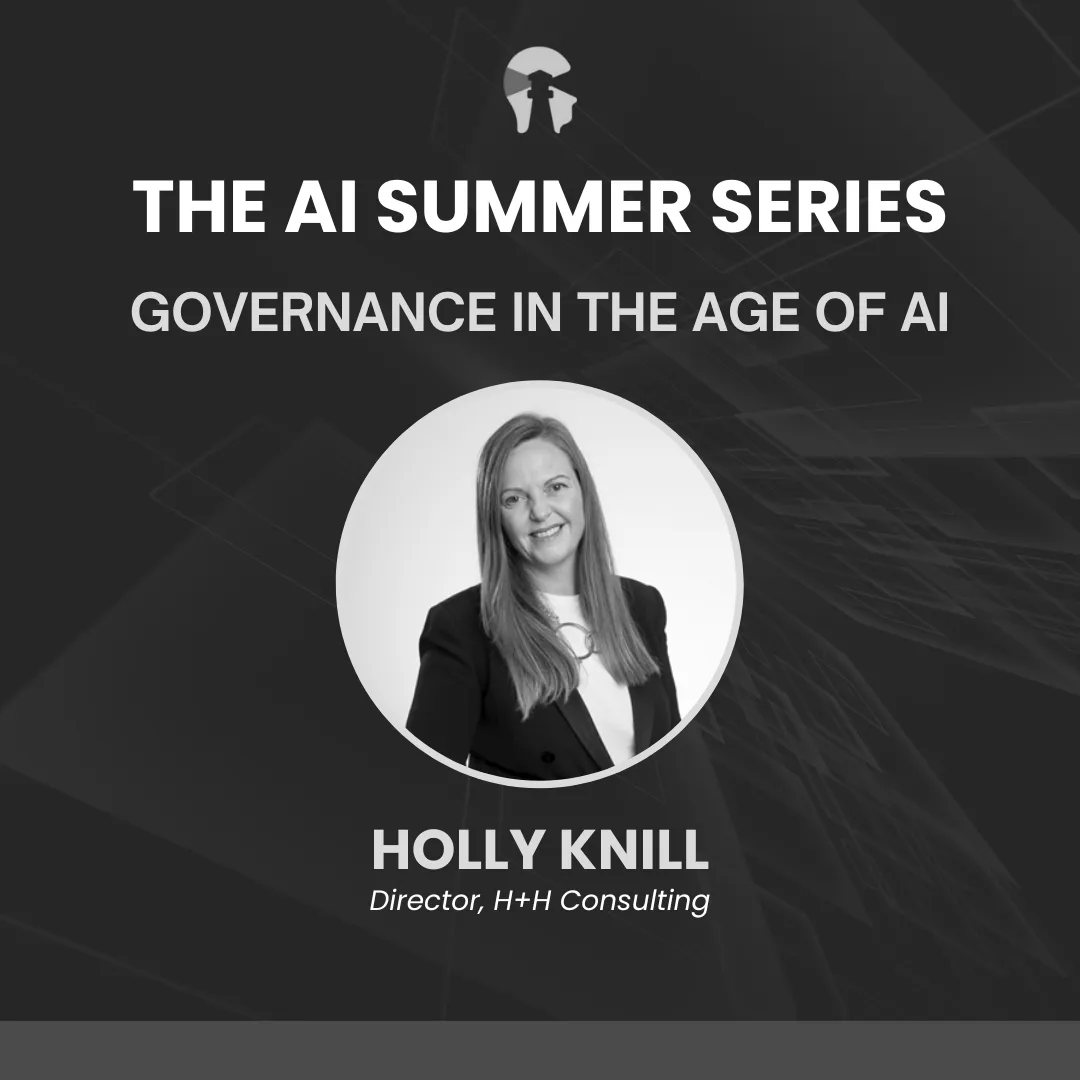
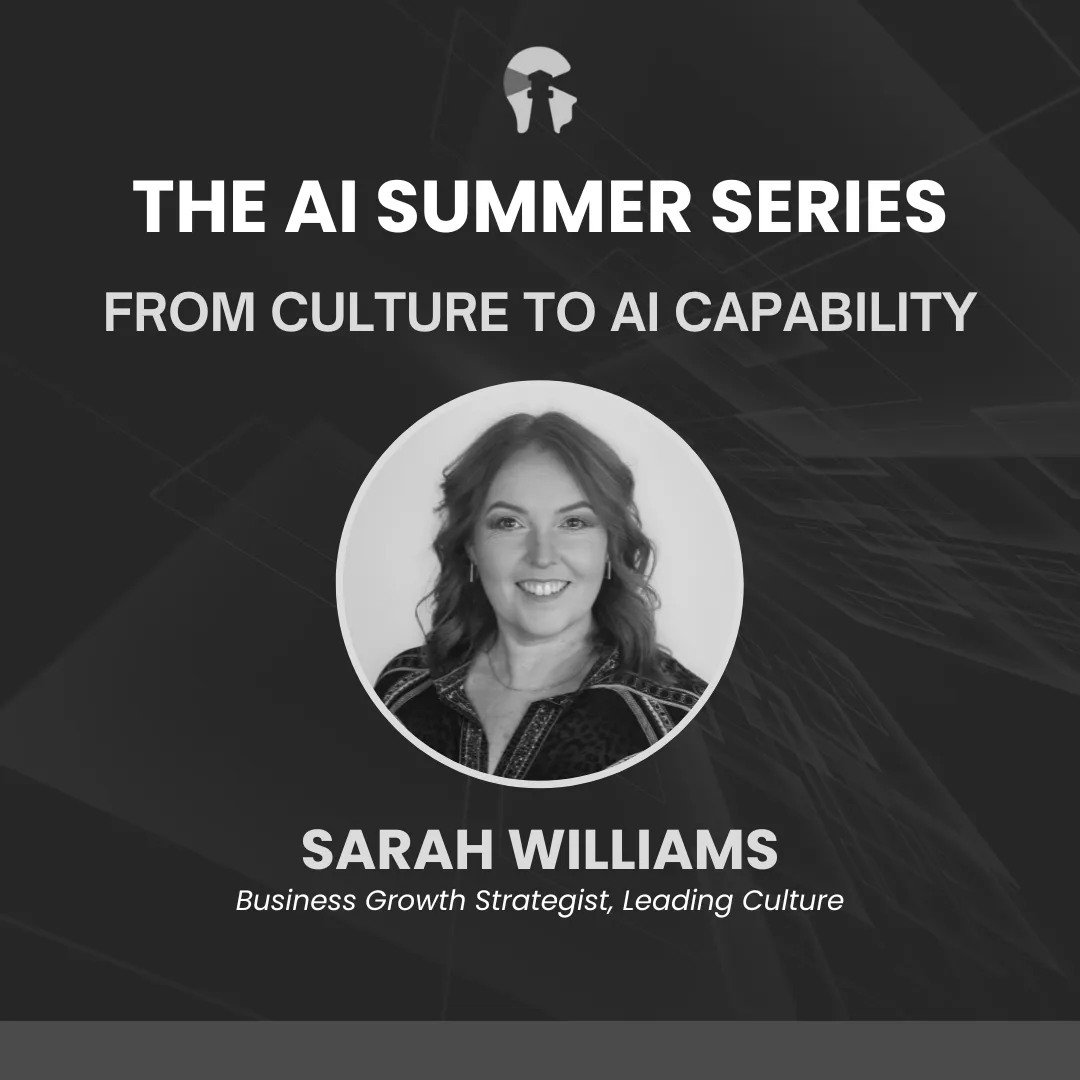
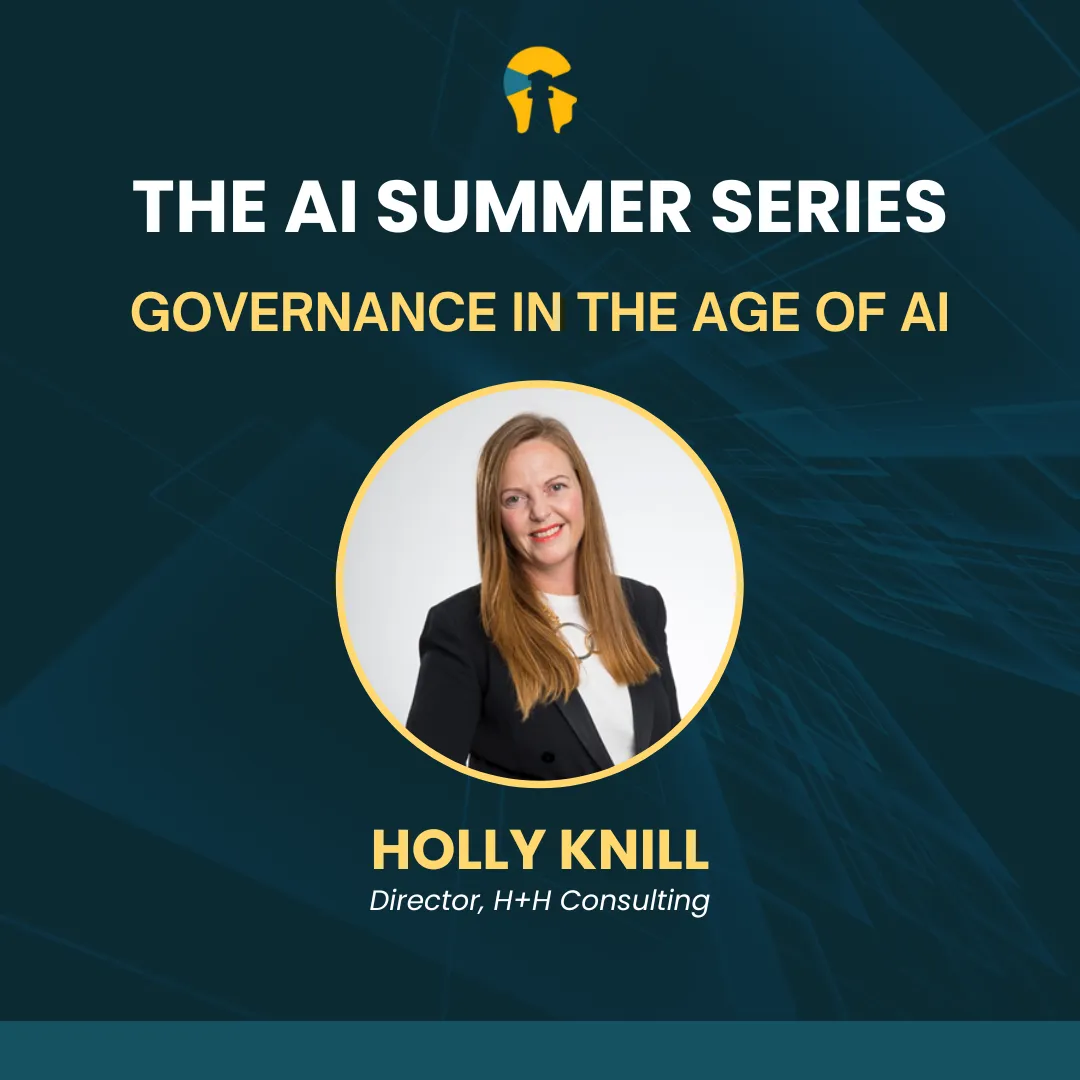
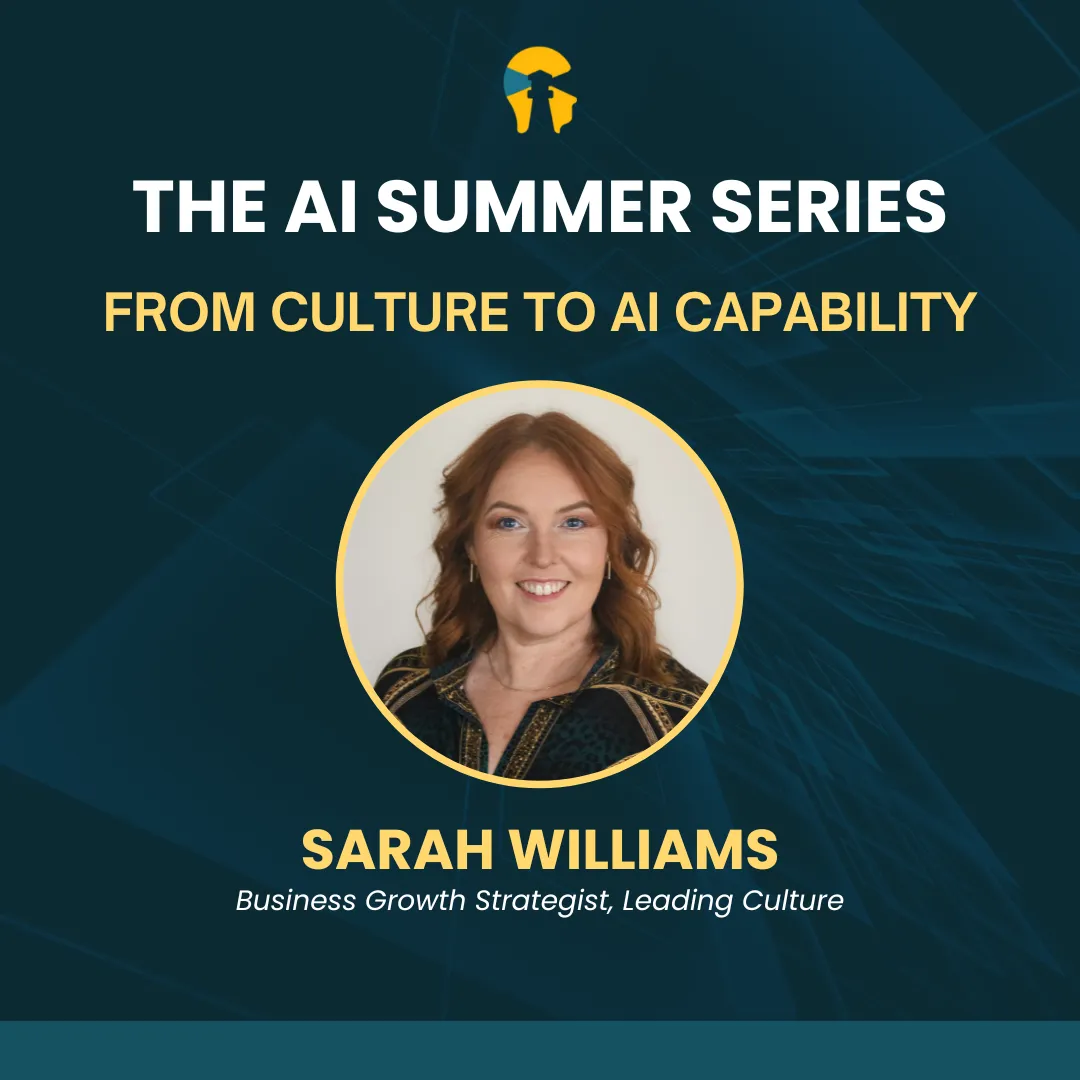
Week One Speakers: (click the image to watch the interview)


Week Two Speakers: (released 9 February 2026)





Week Three Speakers: (release 16 February 2026)


Week Four Speakers: (release 23 February 2026)