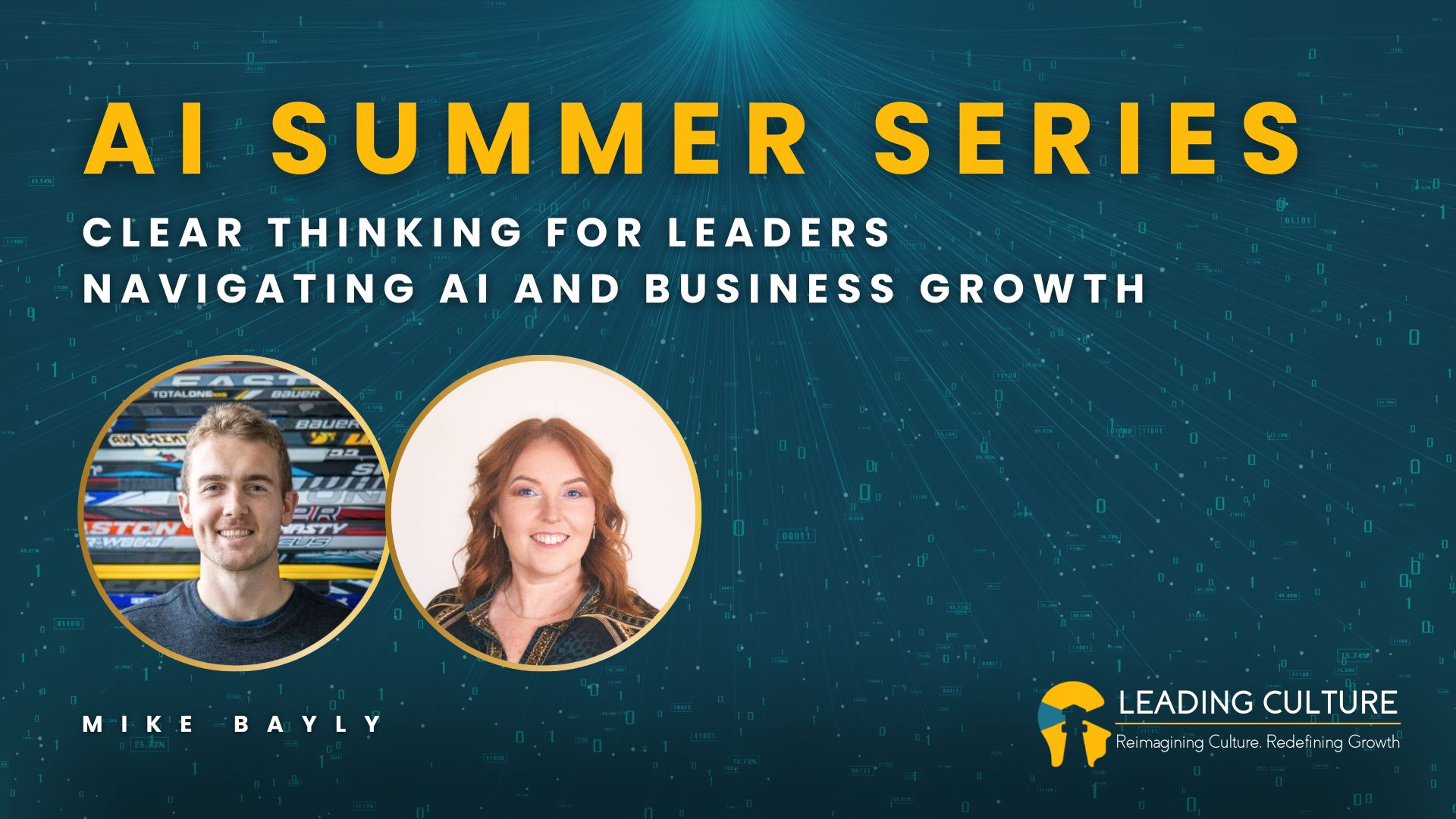
AI Summer Series
Clear thinking for leaders navigating AI and business growth.
Part 1
Part 2
Part 3

Amanda Reid
CEO at BERL

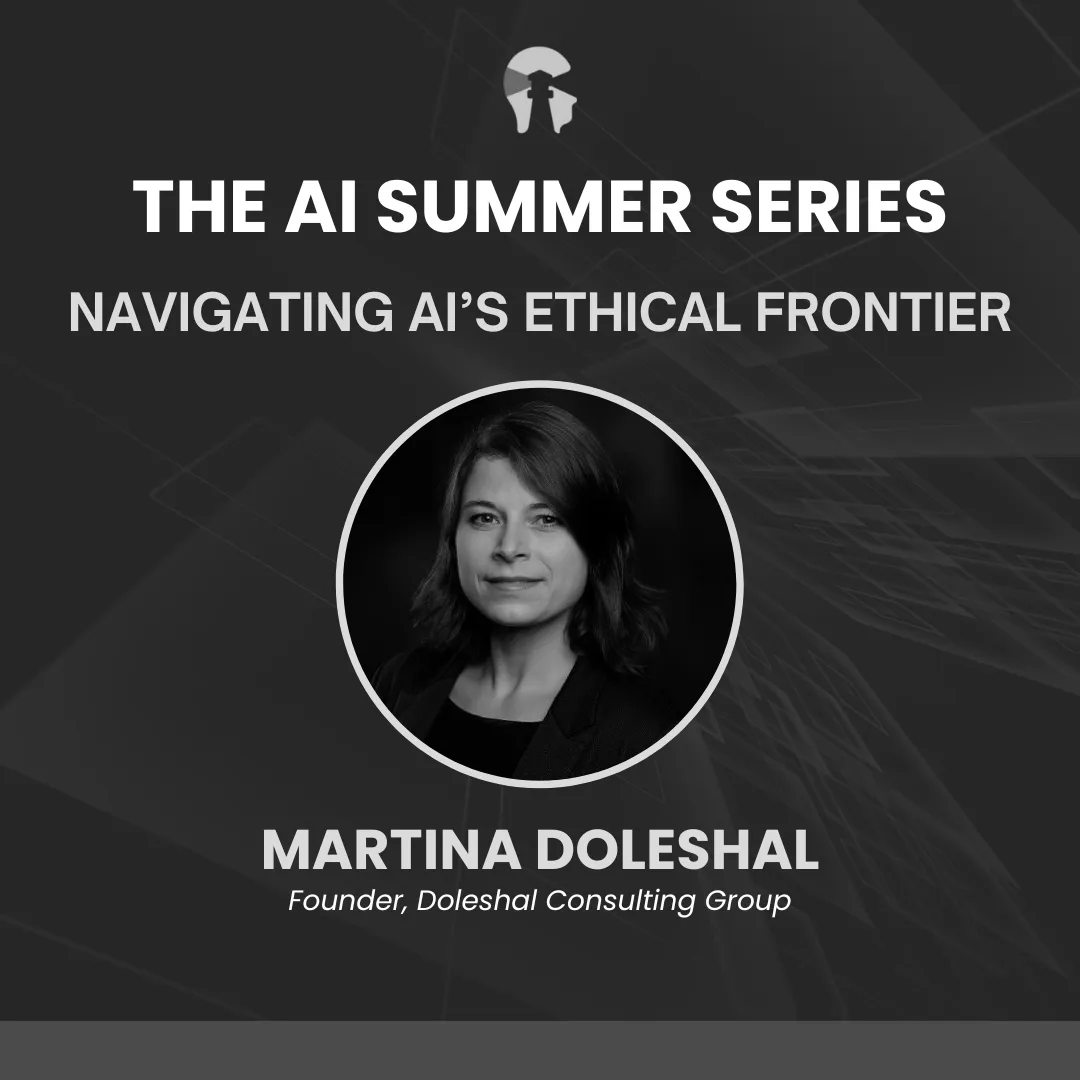
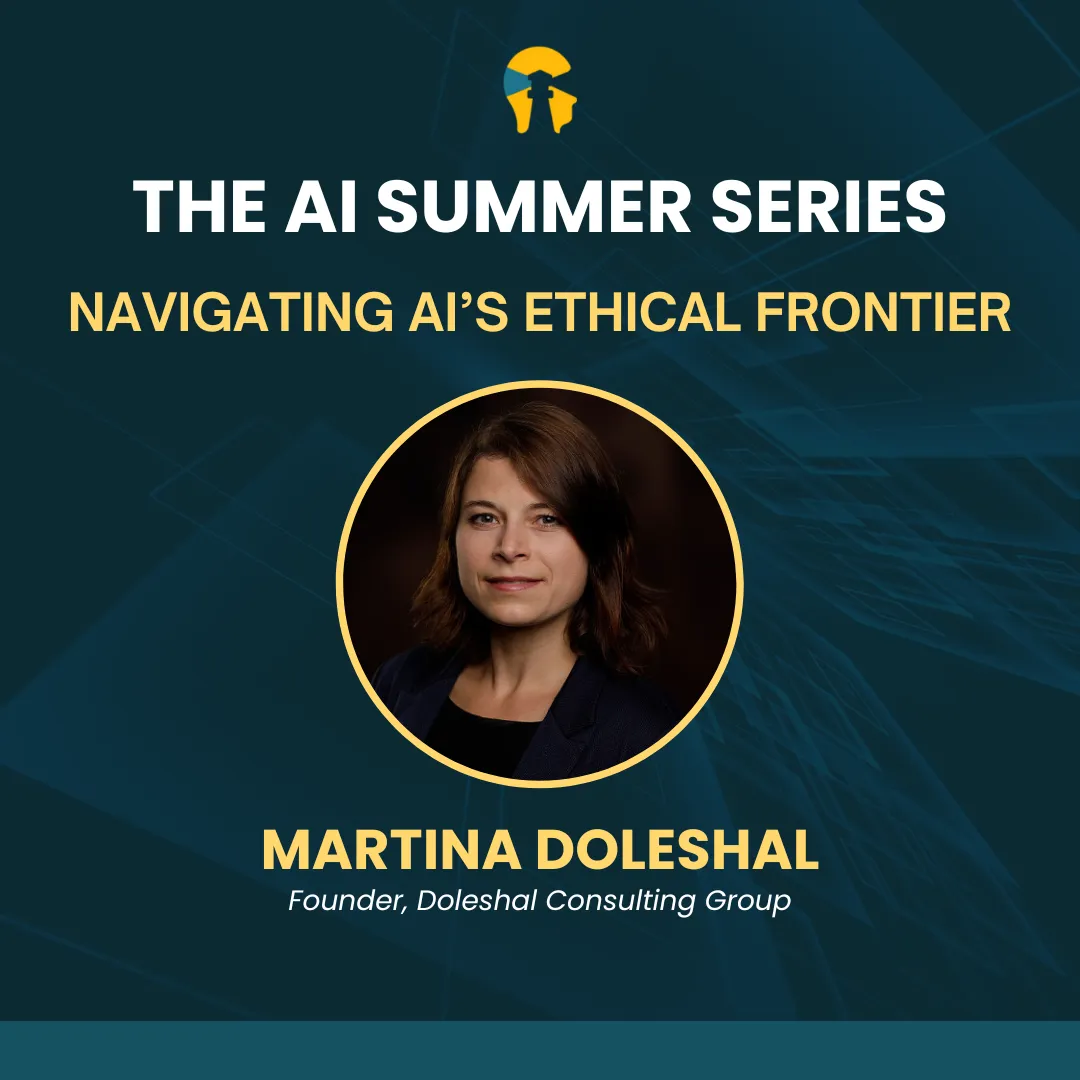
MARTINA DOLESHAL
Founder, Doleshal Consulting Group
Martina Doleshal, the founder of Doleshal Consulting Group, is passionate about driving sustainability, regeneration, and innovation across diverse industries. With over 20 years of industry experience as a business growth strategist and futurist, Martina is a recognized expert in adapting innovation frameworks to meet each organization's unique sustainability needs.
Her work focuses on cultivating the potential of employees and stakeholders to implement transformative sustainability projects that result in long-term success.
Martina’s deep commitment to sustainability is reflected in her hands-on approach to helping organizations navigate complex sustainability challenges, making it possible to embed sustainable practices into every facet of the business.
💡Key Takeaways from Martina's Interview
The Hidden Realities of Current AI
• AI is Not Neutral: Current models are trained on historical human data that is often biased, exclusionary, and extractive. Because AI is "blind to life," it optimizes for patterns in this data that may inadvertently encode social inequality and ecological harm.
• The "Hidden Invoice": Using AI carries massive environmental costs. Training a single large language model can consume as much energy as five cars over their lifetime, and cooling data centres requires vast amounts of water.
• Mainstream Ethics are Insufficient: Martina argues that most ethical frameworks focus on "symptom mitigation" (like fixing potholes) rather than questioning if the technology is leading society in a desirable direction.
The Regenerative AI Framework
Martina proposes a framework based on living systems science, biomimicry, and indigenous wisdom. This approach asks how AI can align with principles that have sustained life for 3.8 billion years. Key principles include:
• Life-Affirming Circularity: Ensuring nothing is wasted and systems are regenerative.
• Interdependence and Right Relationship: Recognizing that no action exists in isolation and responses should be balanced and proportional.
• Bio-regionalism: Developing AI that is attuned to localized cultural values and contexts rather than universalized models trained on a narrow subset of data.
Redefining Business Success and Competition
• Vitality Over Profit: Business leaders should move away from narrow metrics like quarterly profits toward measuring the "vitality of the whole," including the health of employees, communities, and the planet.
• Avoiding the "Multipolar Trap": Martina warns against the "arms race" of AI adoption, where companies rush to deploy technology out of competitive pressure, potentially leading to systemic harms like mass unemployment.
• Data as "Rivers": Data should be treated with the same respect as a vital natural resource. Leaders must ask if data was obtained with consent, if providers were compensated, and who decided what patterns were prioritized.
Actionable Steps for Business Leaders
Martina provides several practical tips for implementing AI mindfully:
• Conduct a Value Audit: Before deploying AI, define what "good" looks like for your business and use those values as a filter for tool selection.
• Demand Transparency: Use your leverage as a business customer to pressure vendors about their data sources, labour conditions, and environmental footprints.
• Build Accountability Infrastructure: Create cross-functional internal teams to monitor AI deployment and conduct impact assessments to detect potential harm.
• Invest in AI Literacy: Ensure employees understand not just how to use tools like ChatGPT, but also their limitations, biases, and the environmental cost of their use.
A Civilizational Choice
Martina concludes that AI is "civilizational infrastructure". The decisions business leaders make today - which tools they purchase and the standards they hold vendors to - are encoding the values that will shape the future for centuries. She invites leaders to be "path creators" who advocate for a type of AI that supports the flourishing of all life. 's Interview
Free resource: Regenerative AI Ethics
Week One Speakers: (click the image to watch the interview)
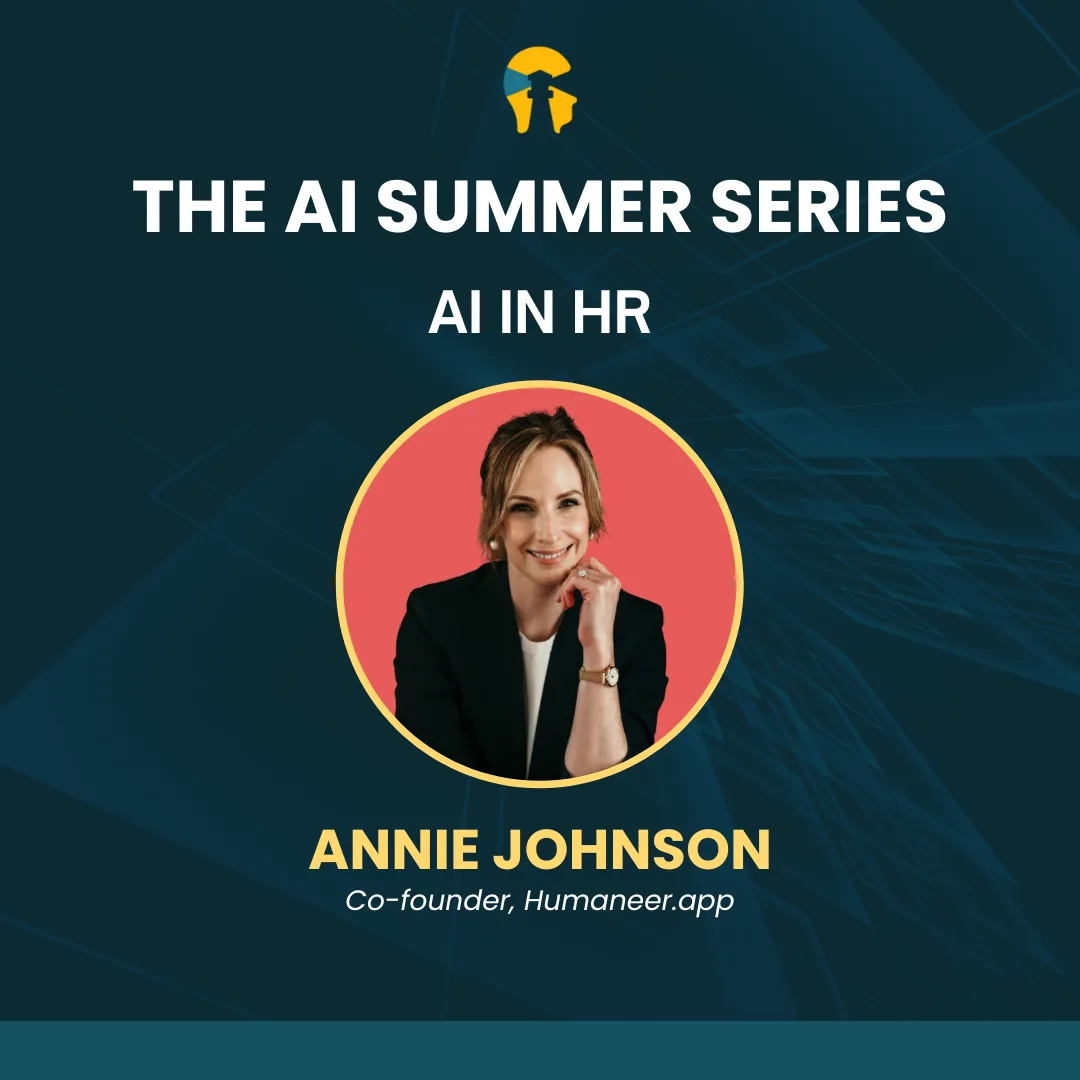
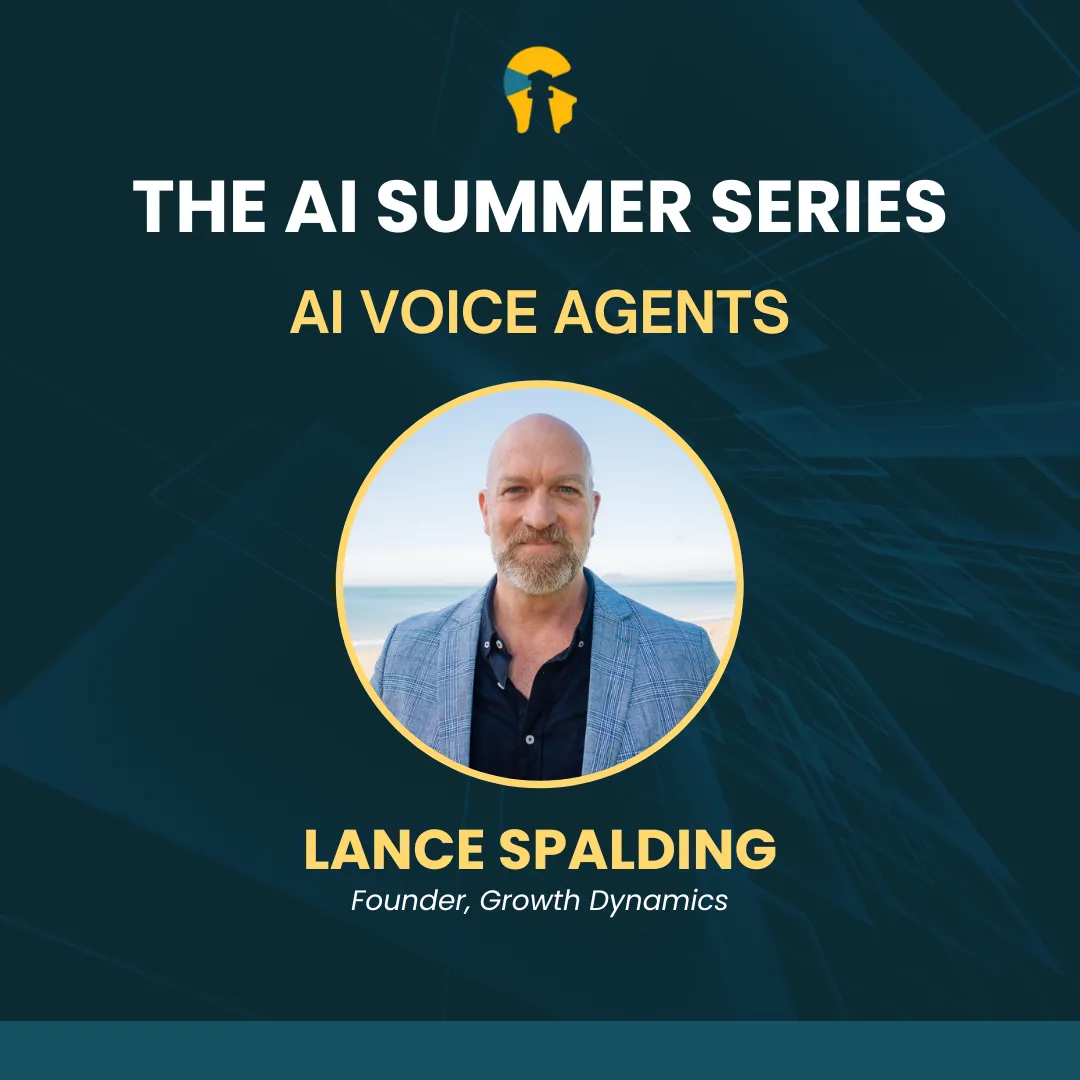
Week Two Speakers: (released 9 February 2026)


Week Three Speakers: (release 16 February 2026)
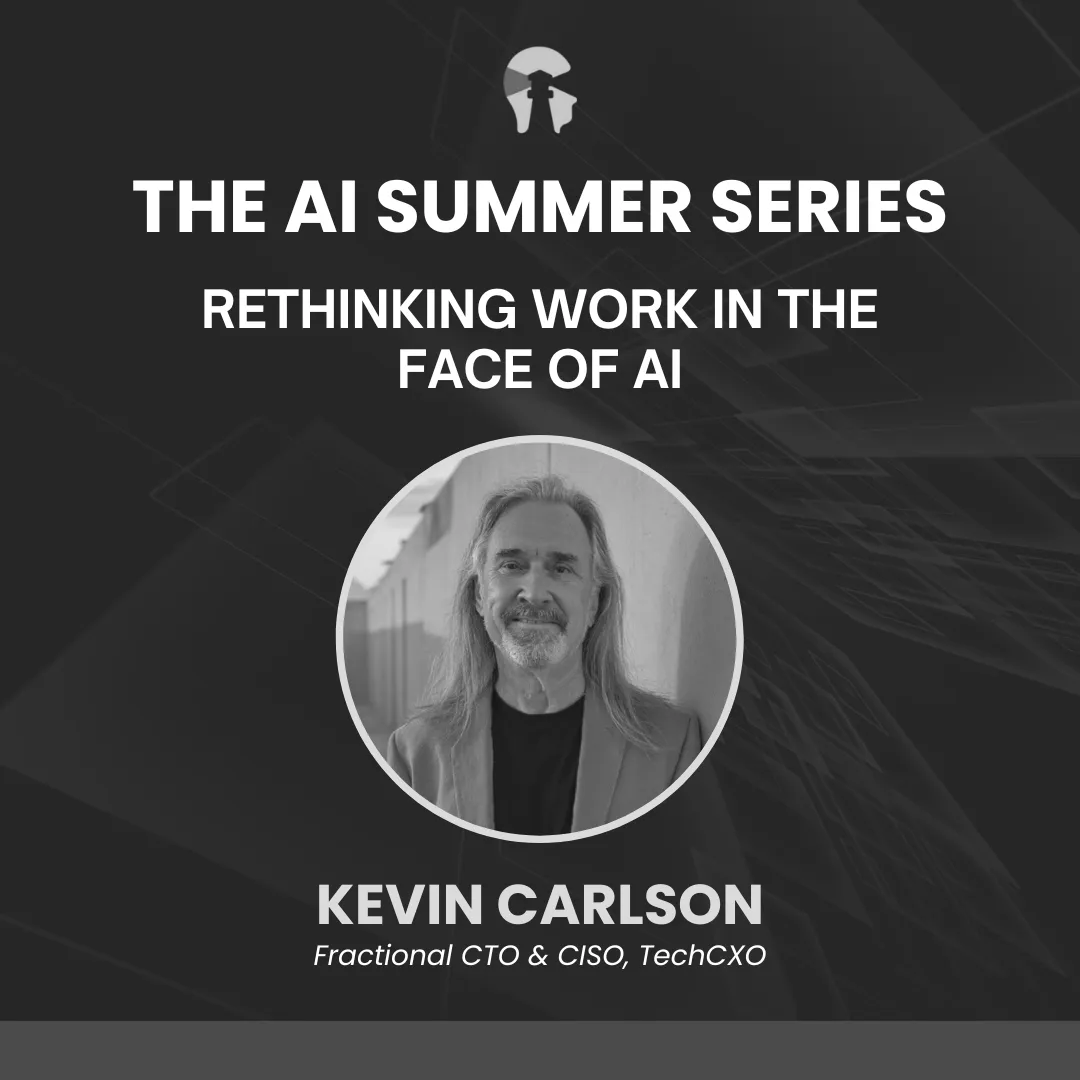
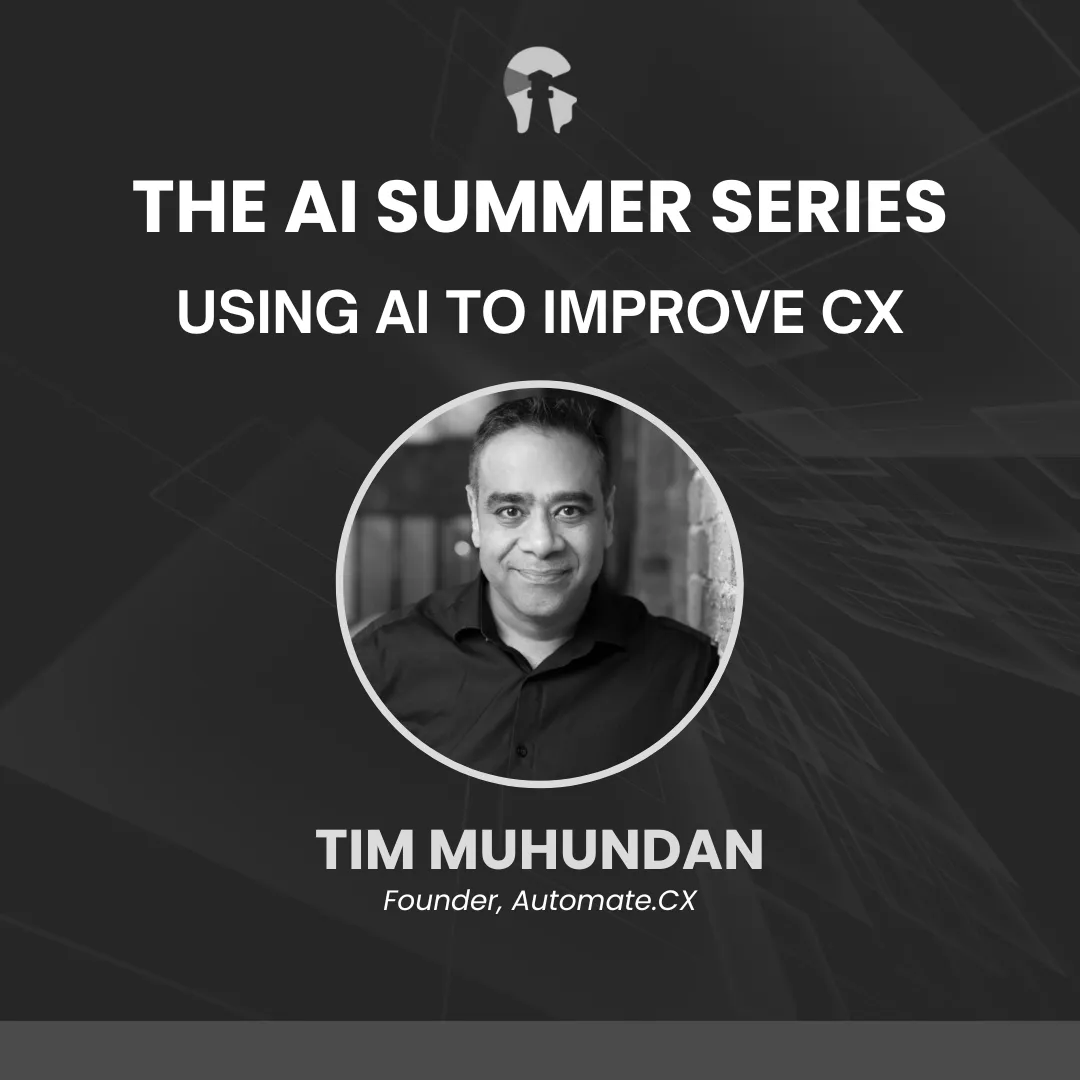
Week Four Speakers: (release 23 February 2026)
LinkedIn
Website