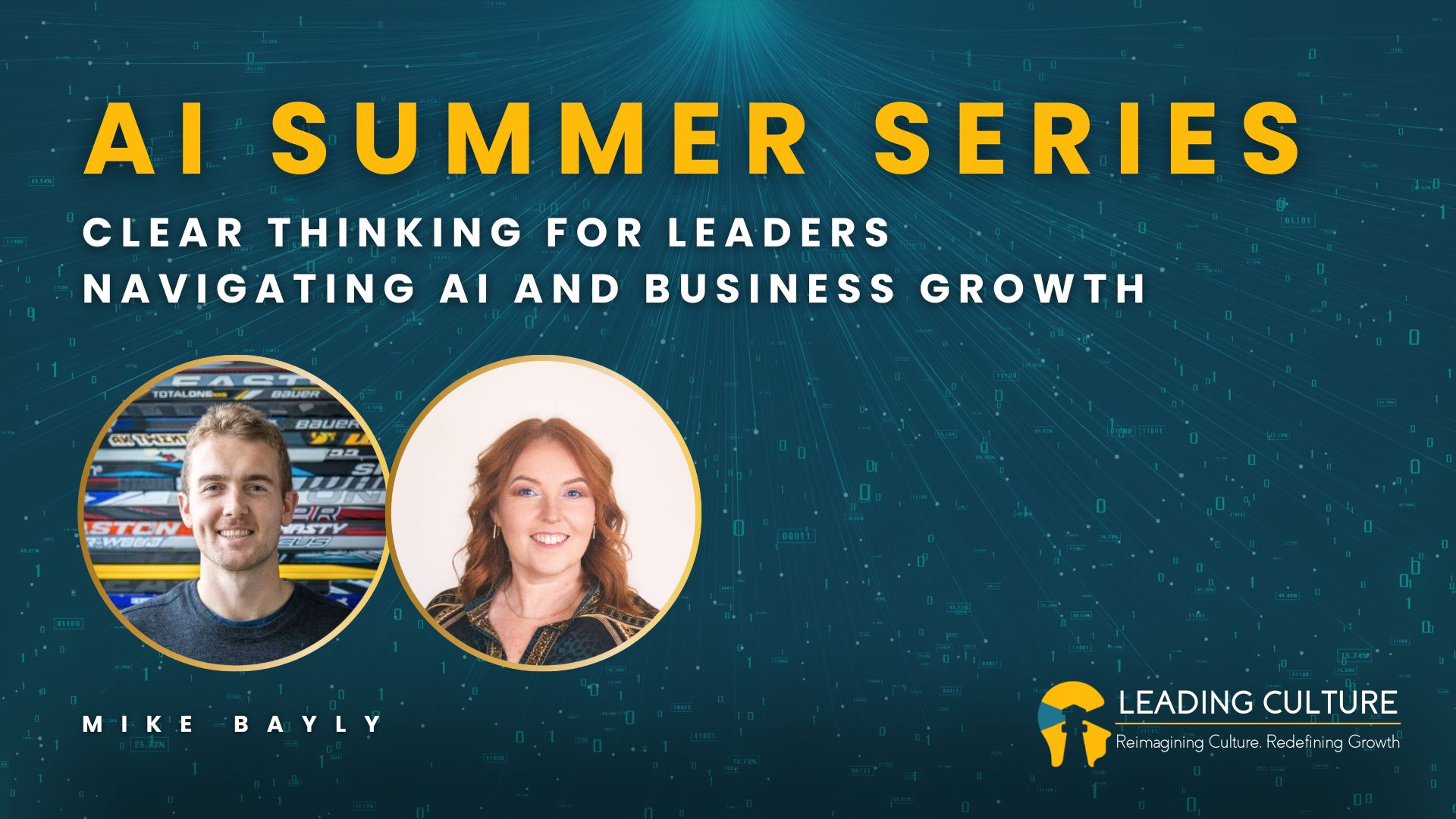
AI Summer Series
Clear thinking for leaders navigating AI and business growth.

MIKE BAYLY
Founder, The AI Corner NZ
Mike is the Managing Partner of Allexive and the founder of The AI Corner, working at the intersection of AI, commerce, and growth. Through Allexive, he helps businesses put AI into action by building practical AI operating models that transform operations and sales in the agentic commerce era. A commercial leader with experience across North America, Europe, the UK, and ANZ, Mike has driven growth at Passionfruit, Salesforce, Fonterra, and Traction on Demand. His background spans sales, marketing, and digital strategy across B2B and B2C sectors.
💡Key Takeaways
The "Zero Cost" of Intelligence
The primary shift in the current landscape is that the cost of intelligence has effectively trended to zero. Previously, high-level expertise was a limited commodity available only to wealthy organizations; now, anyone can access "PhD-level" virtual employees through tools like ChatGPT, Claude and other LLM’s. Consequently, a human’s competitive advantage is no longer just "being smart," but how they internalize market insights and apply domain expertise as a "force multiplier" using AI.
Execution as the New Constraint
With the cost of intelligence down, the new bottleneck for businesses is execution and speed. AI allows leaders to move from an idea to a "ball of clay" - a tangible draft, strategy, or mock-up, in hours rather than weeks, bypassing traditional bureaucratic delays and high production costs. Bailey argues that traditional business growth rates of 1-2% are "lacklustre" in this new environment.
The "Sweet Spot" for AI Adoption
Mid-market companies are often in the best position to leapfrog competitors. Unlike small businesses, they have the cash flow and resources to experiment, but unlike large enterprises, they are not yet paralyzed by "layers and layers of hierarchy" or internal "fiefdoms" that resist change.
AI as an Operating System, Not a Tool
Bailey emphasizes that AI is not just a "tool" or a chatbot; it is a new operating system and culture for a business. Real transformation requires rearchitecting the organization so that intelligence "compounds" over time. He uses the concept of "compound intelligence," where a single insight in one department (like customer service) creates an instantaneous ripple effect that informs marketing, sales, and supply chain decisions simultaneously.
The Risk of "Shadow AI"
Leaders who ignore or ban AI are often unaware that their employees are already using it through personal accounts - a phenomenon known as "Shadow AI". This creates significant security risks because personal licenses do not offer the same data protections as enterprise licenses (like Microsoft Copilot or business-tier OpenAI), where data is generally safeguarded and not used to train global models.
A Phased Roadmap for Leadership
Bailey suggests a "crawl, walk, run" methodology for implementation:
• Level 0 (Leadership & Culture): Align the leadership team, set clear guardrails through an AI use policy, and address employee fears regarding job security by coaching them on how their roles will evolve.
• Level 1 (Augmentation): Provide tools like Copilot or Gemini to help individuals with basic tasks like data analysis and email.
• Level 2 (Automation & Integration): Move toward cross-functional automation, where AI-driven workflows connect different departments like marketing, sales, and customer support to eliminate manual handoffs.


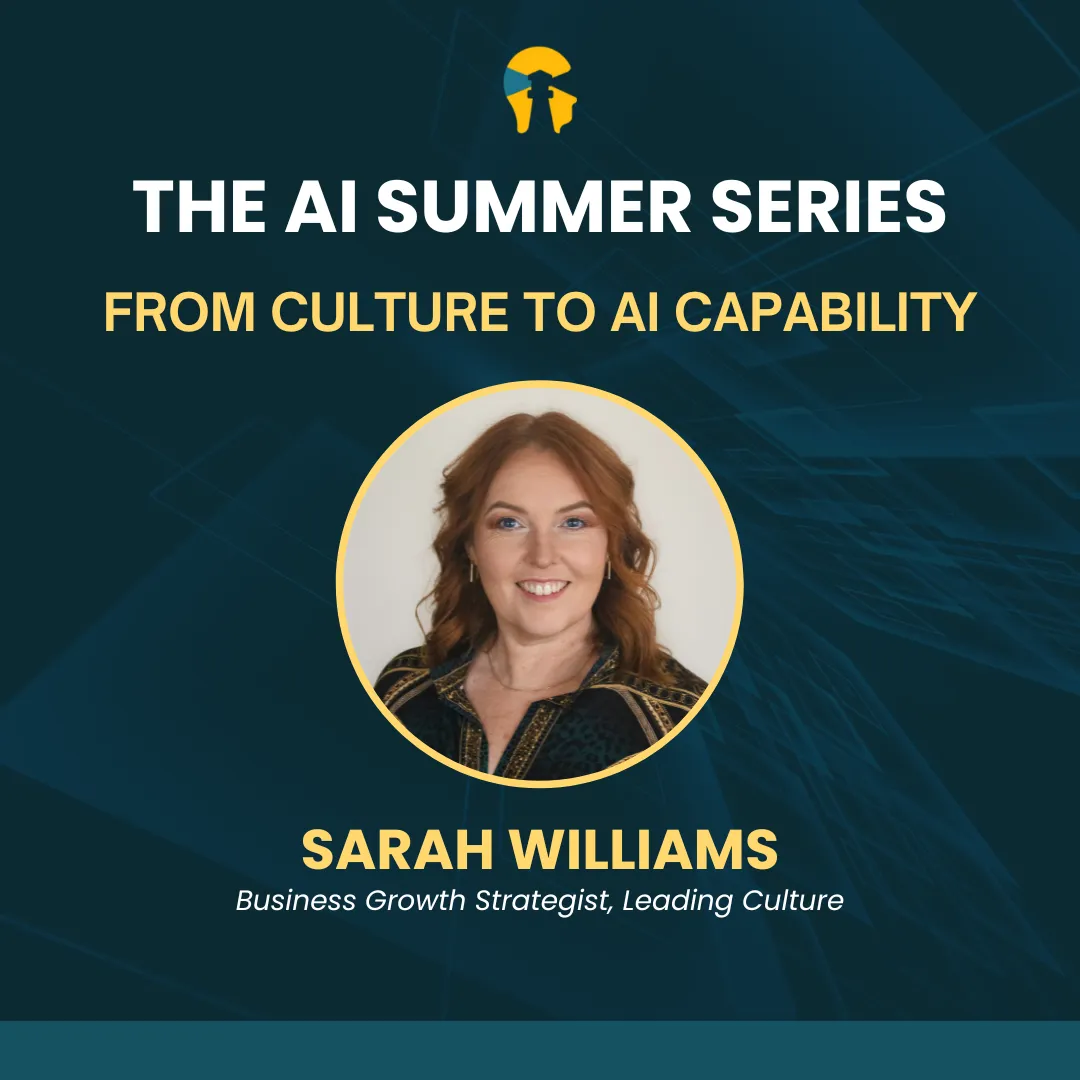
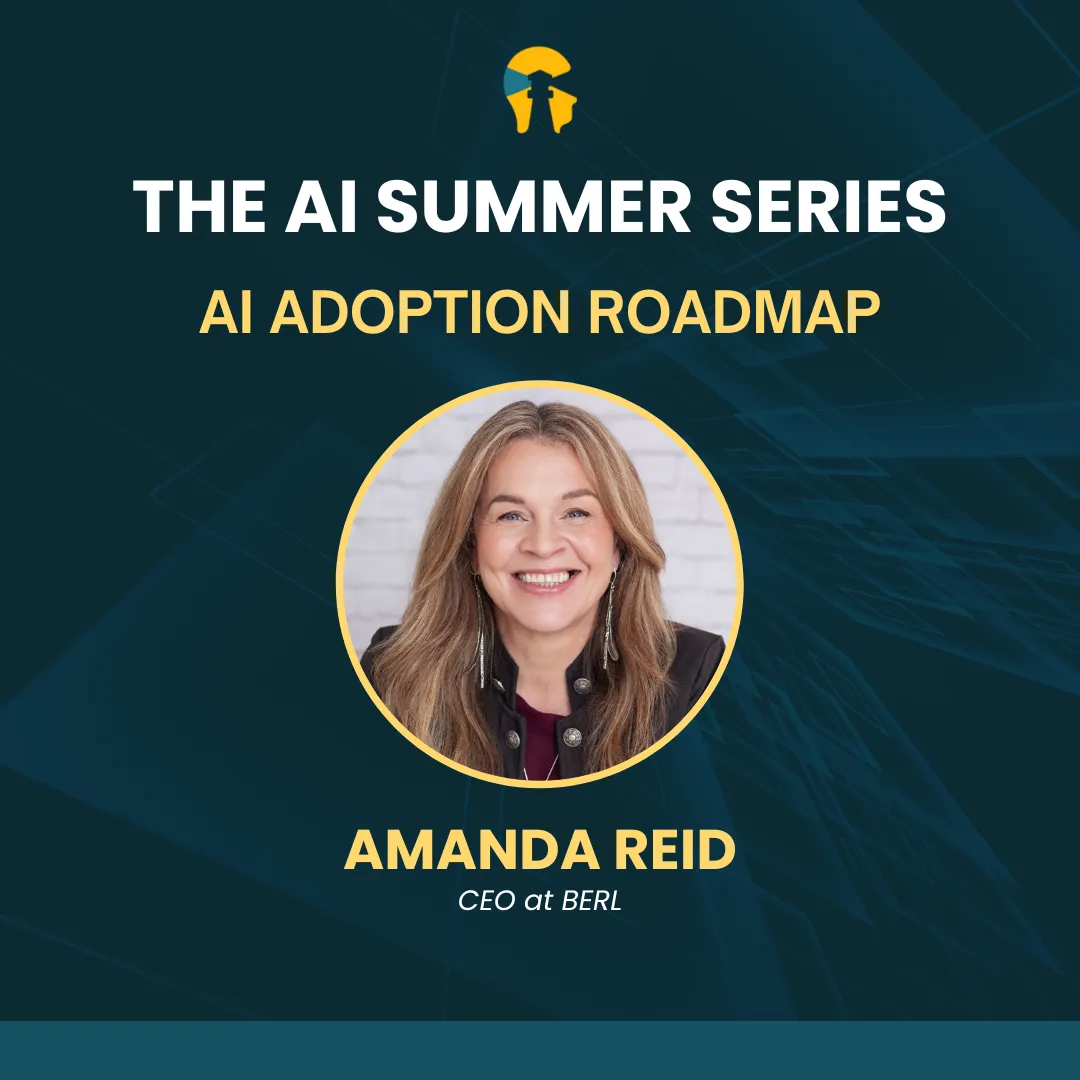
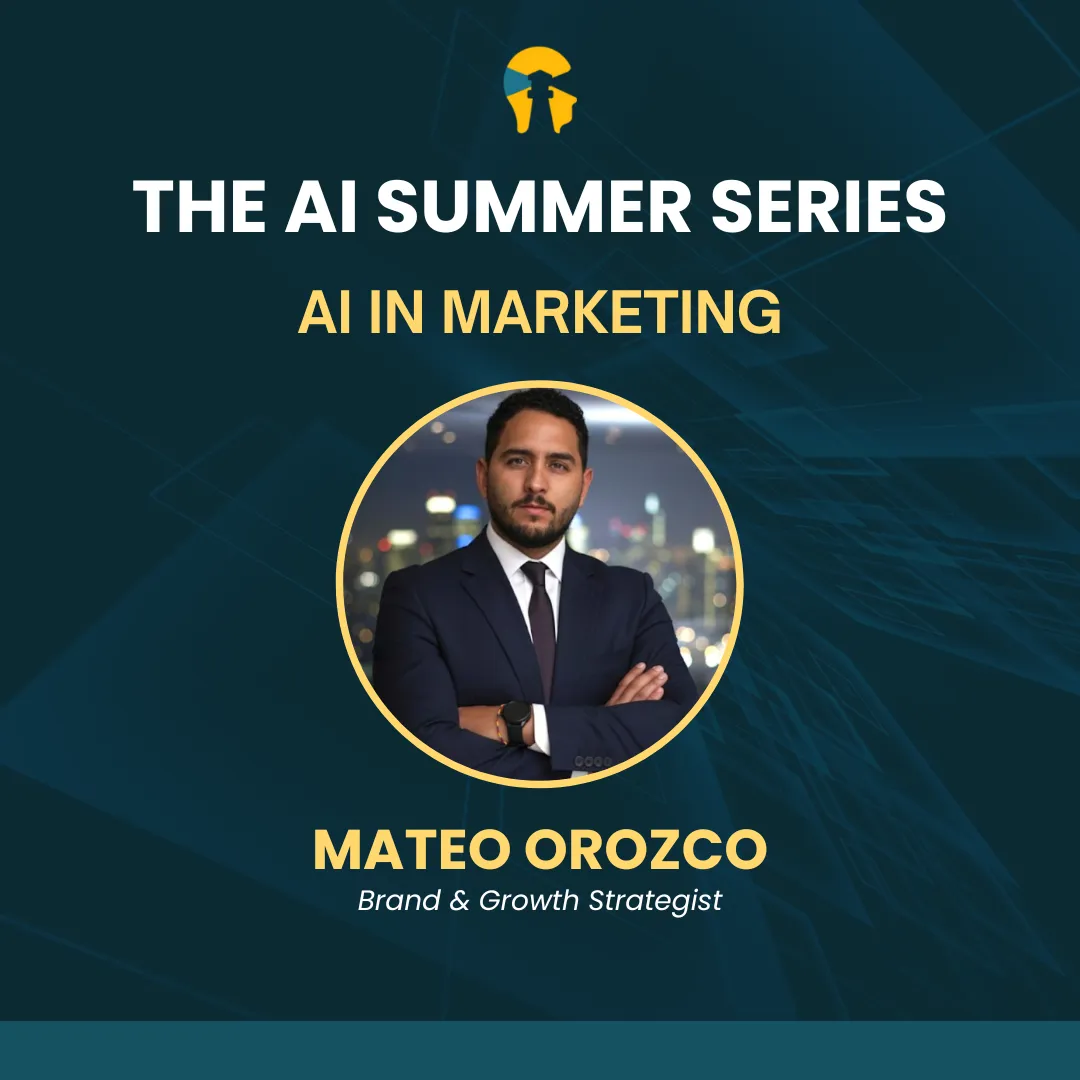
Week One Speakers: (click the image to watch the interview)
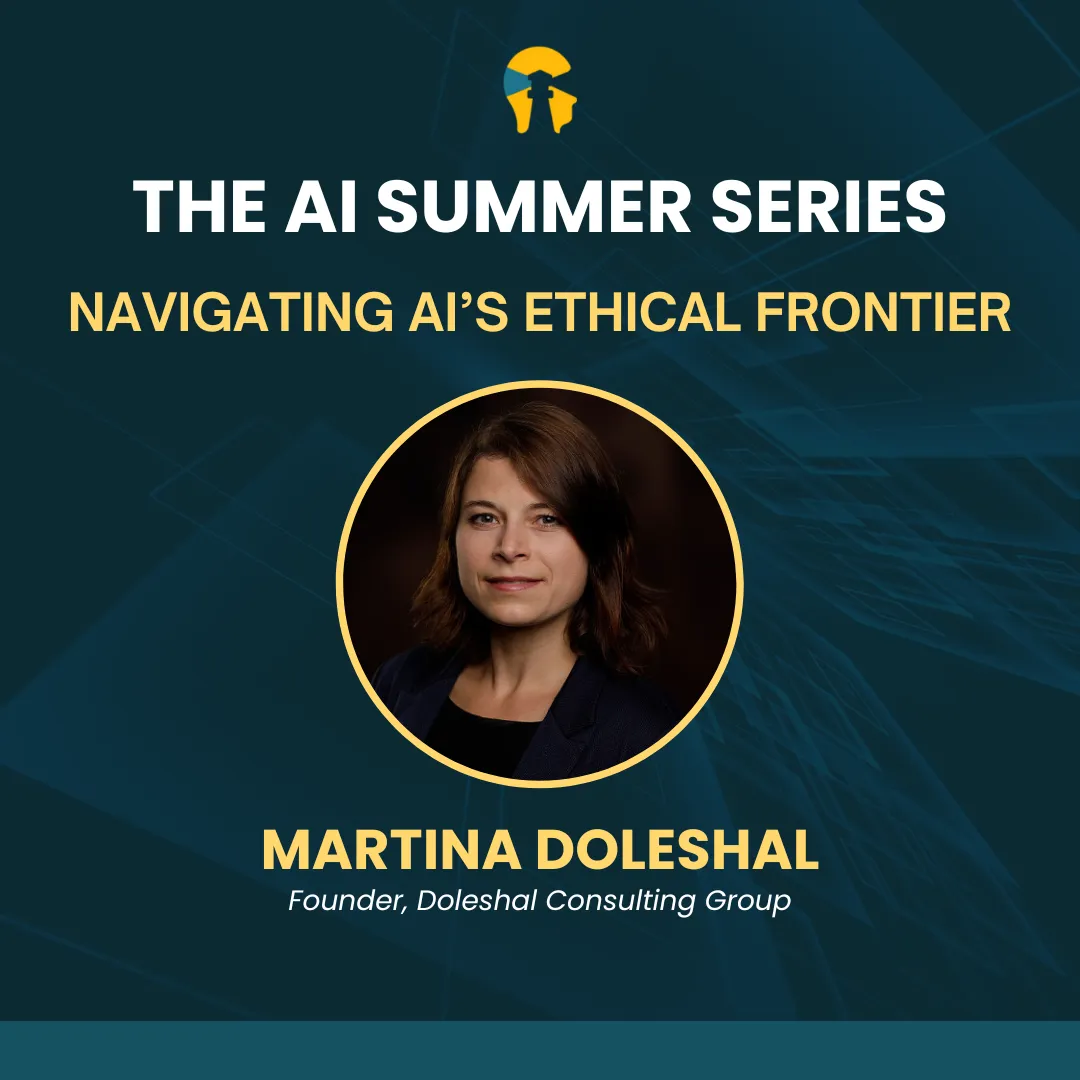
Week Two Speakers: (released 9 February 2026)
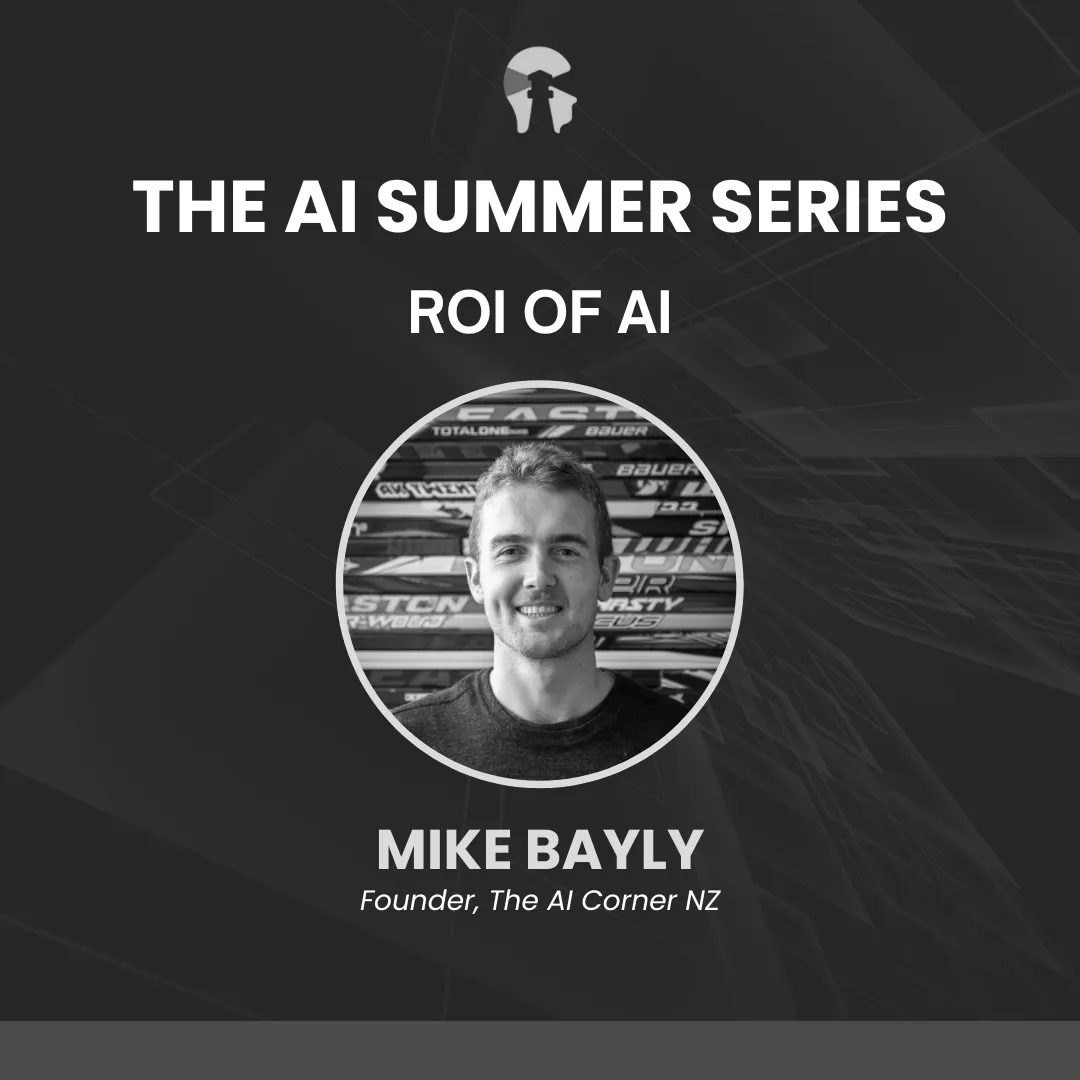
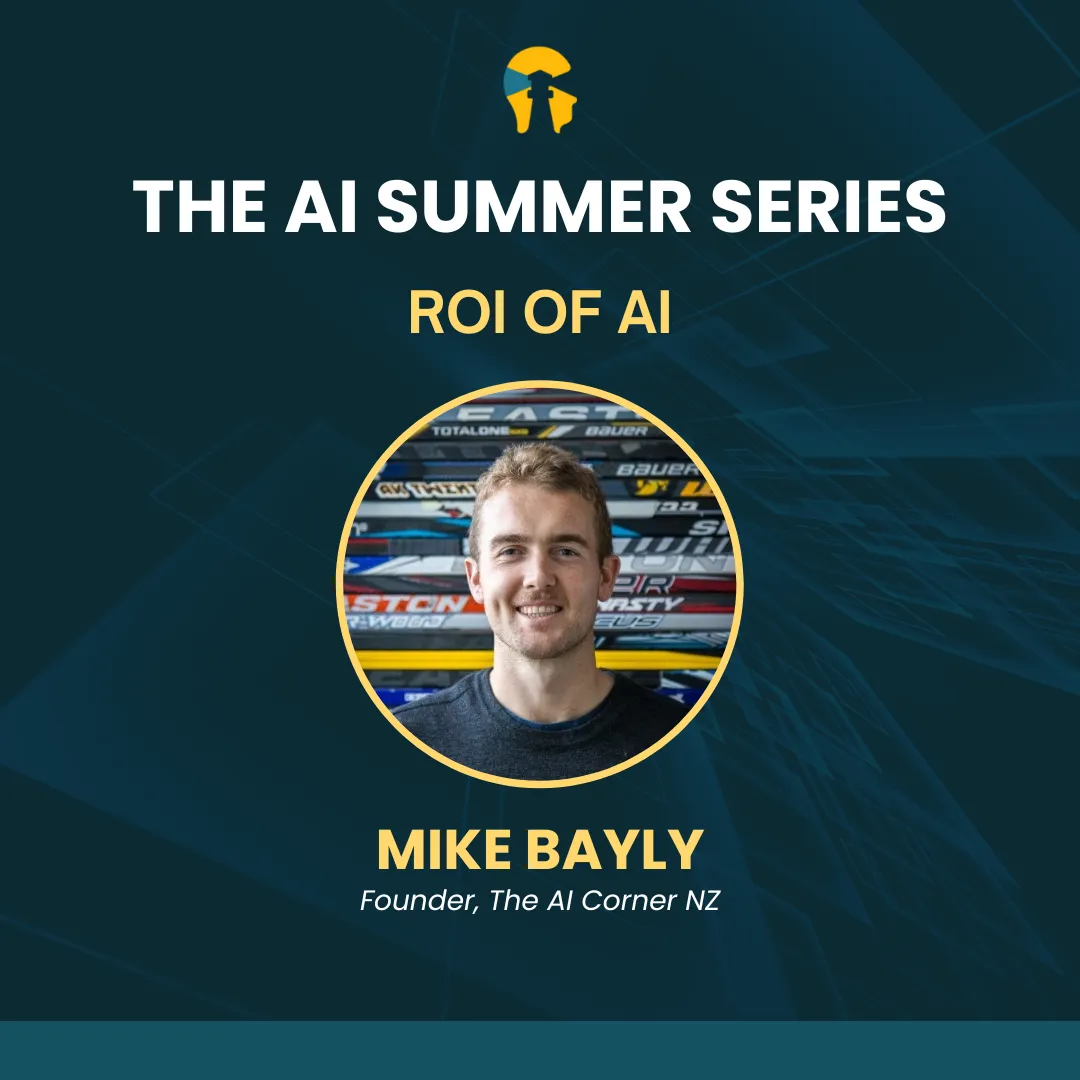
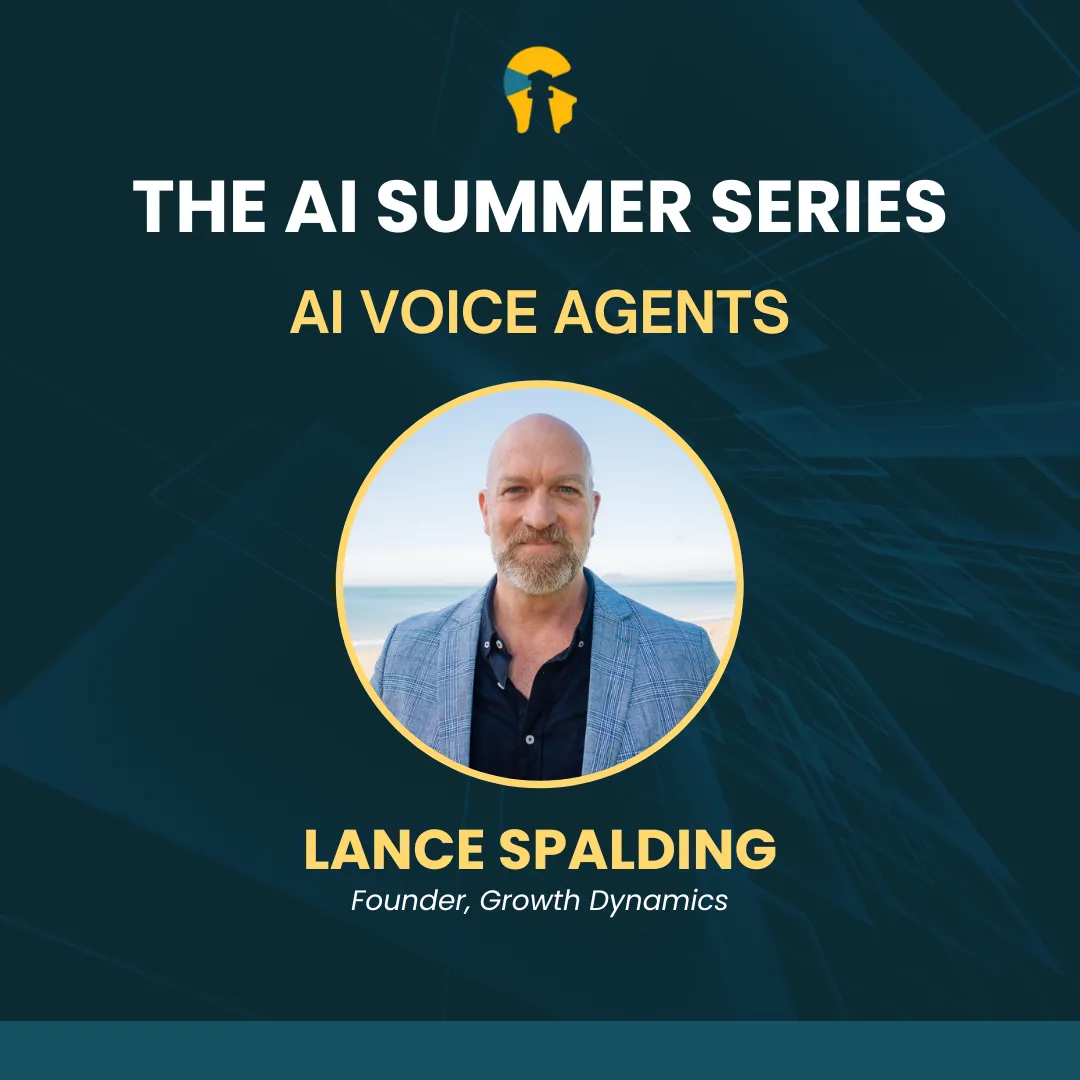
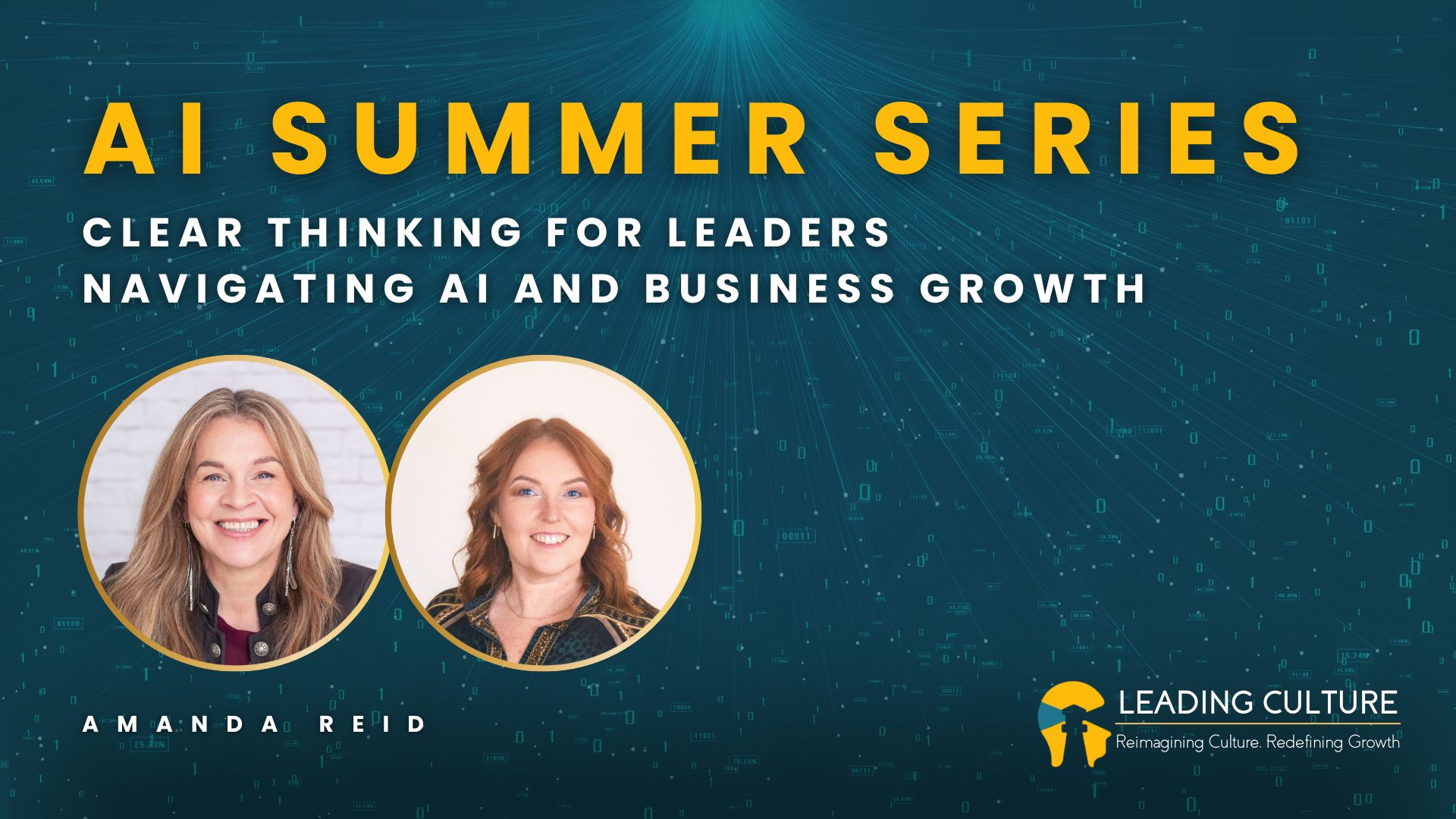
Week Three Speakers: (release 16 February 2026)
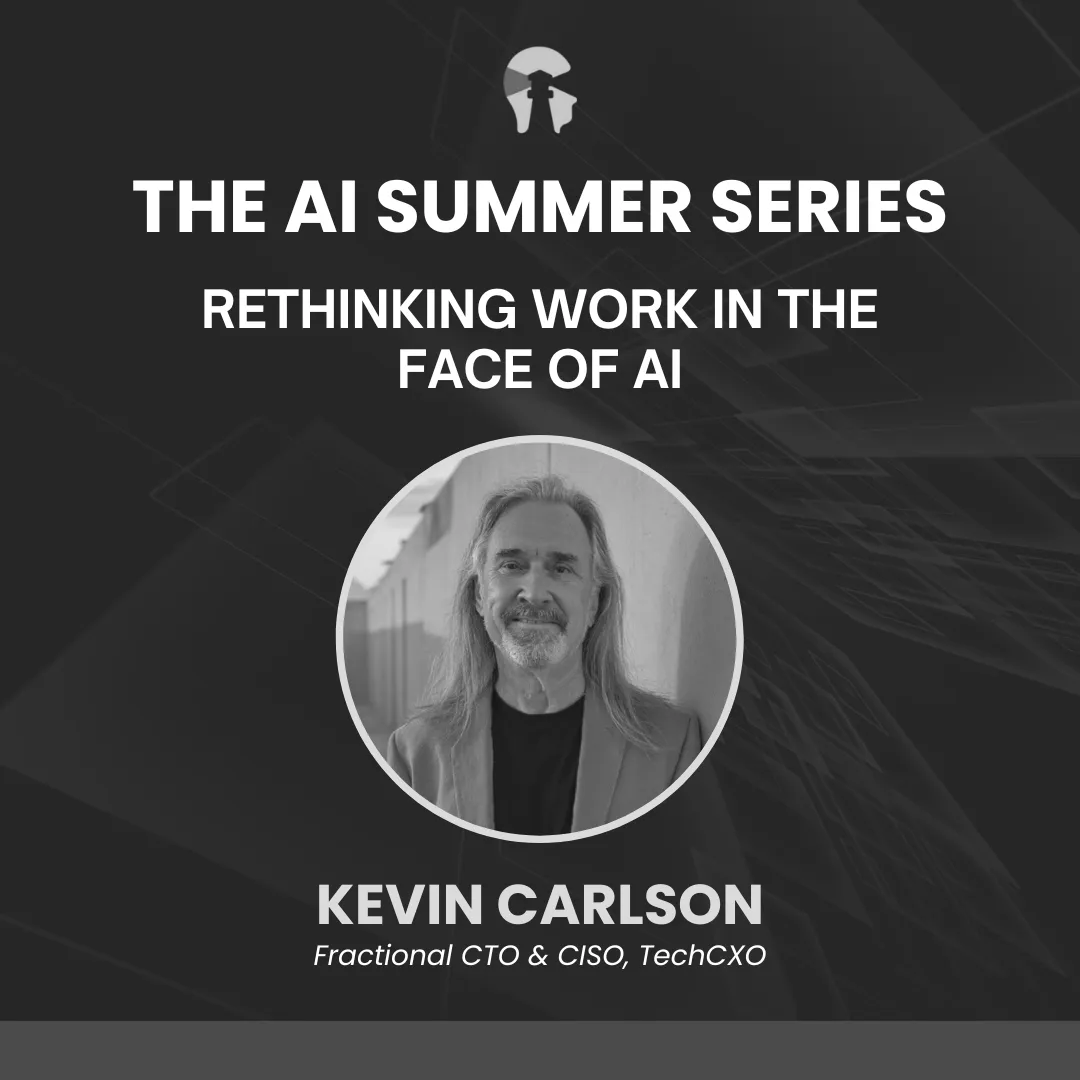
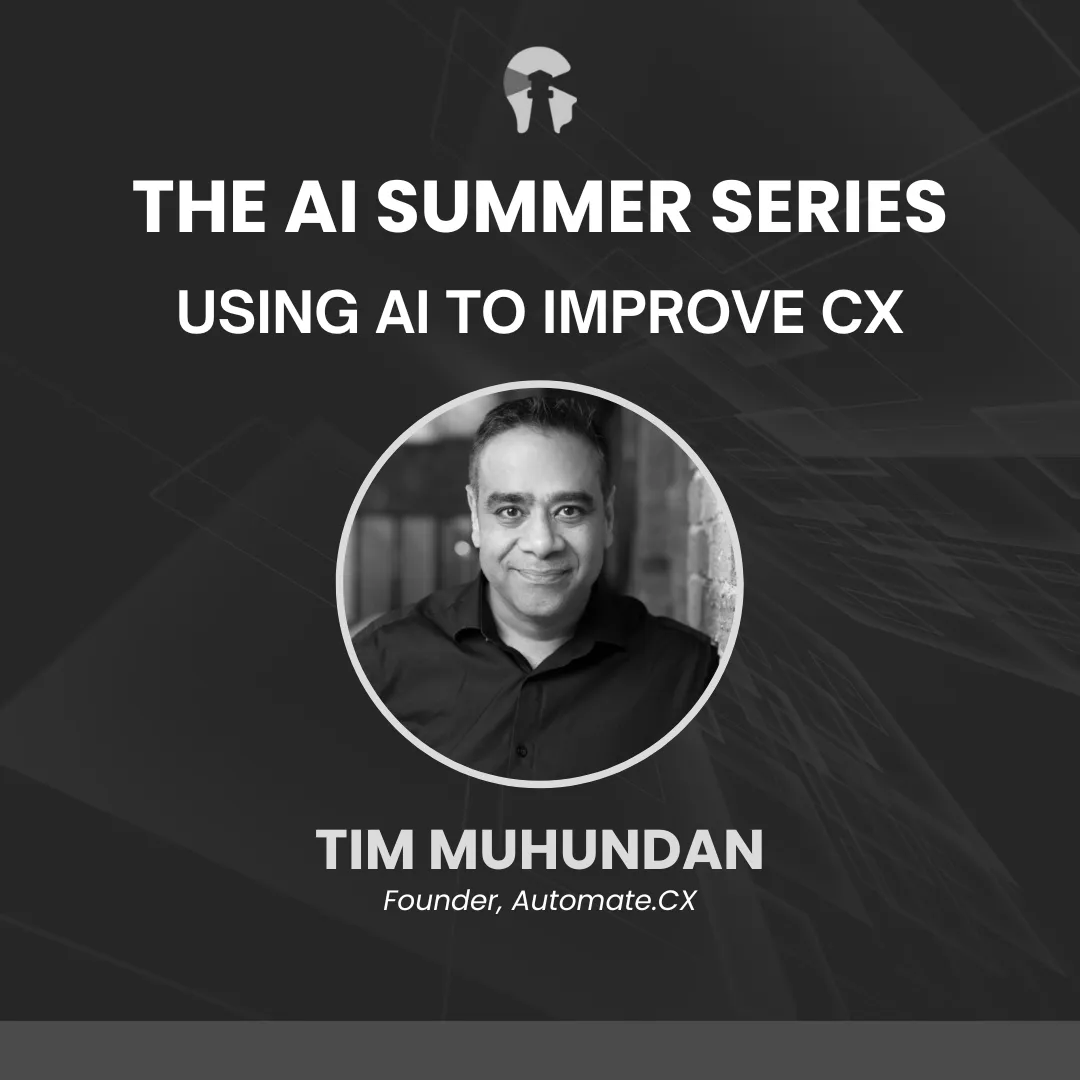
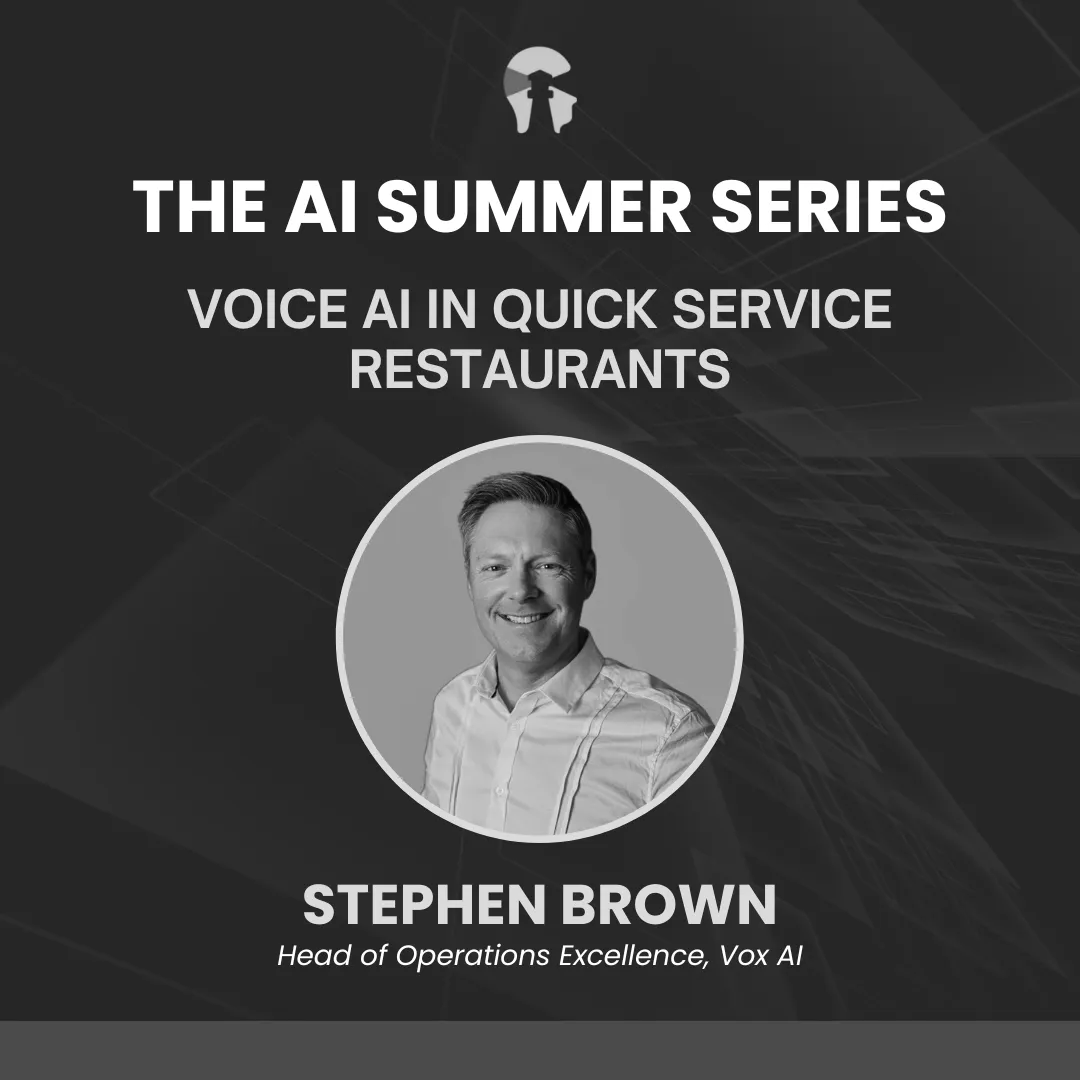
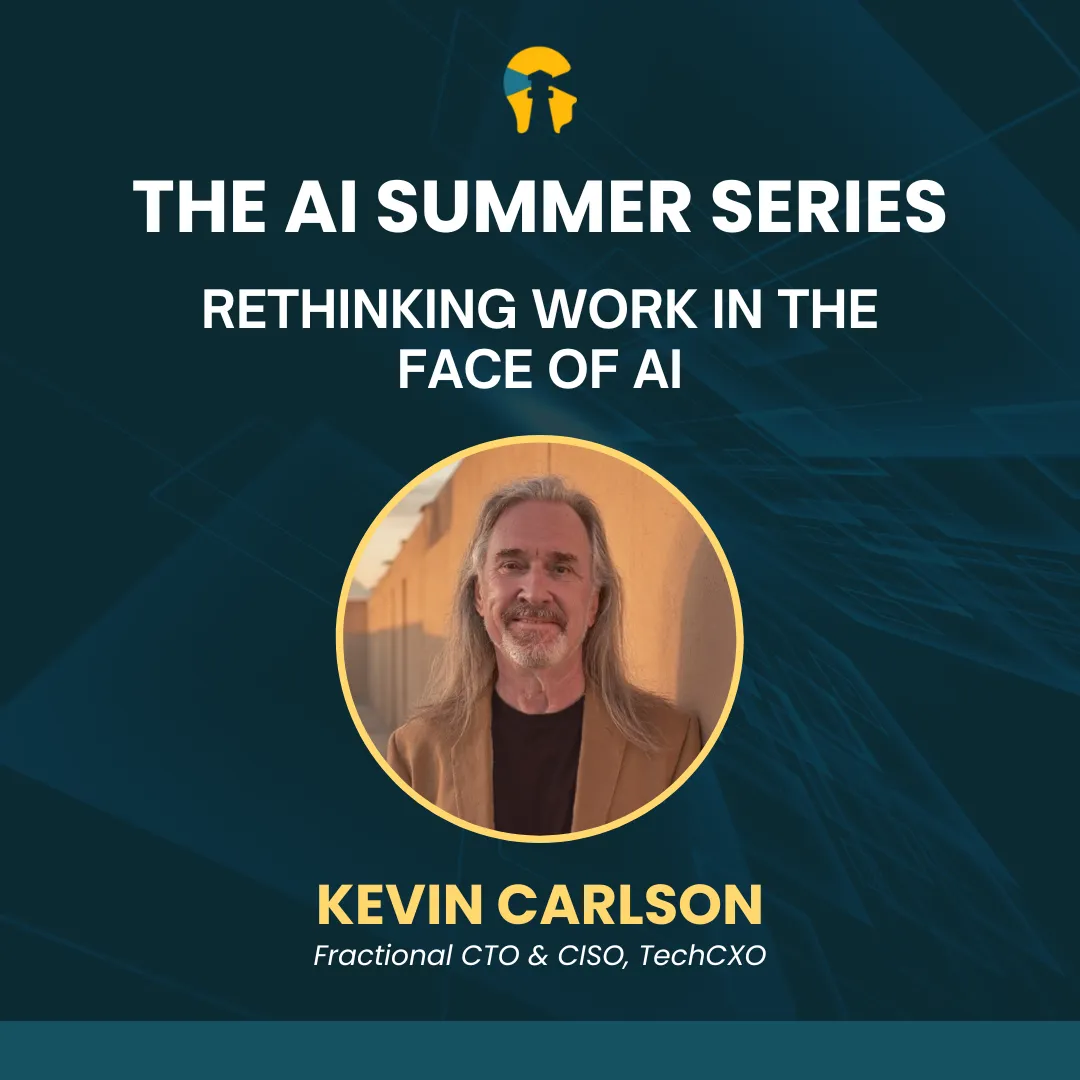
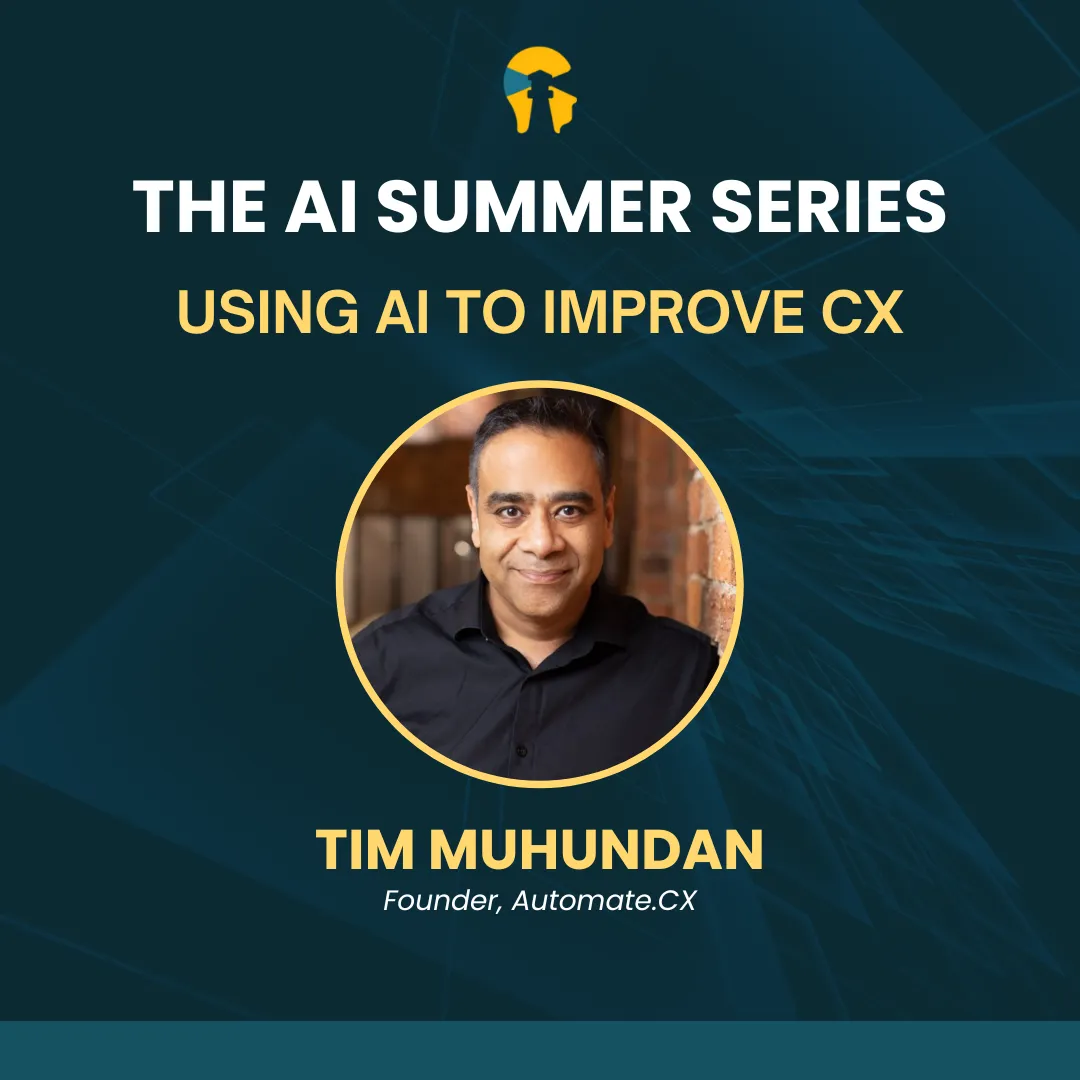
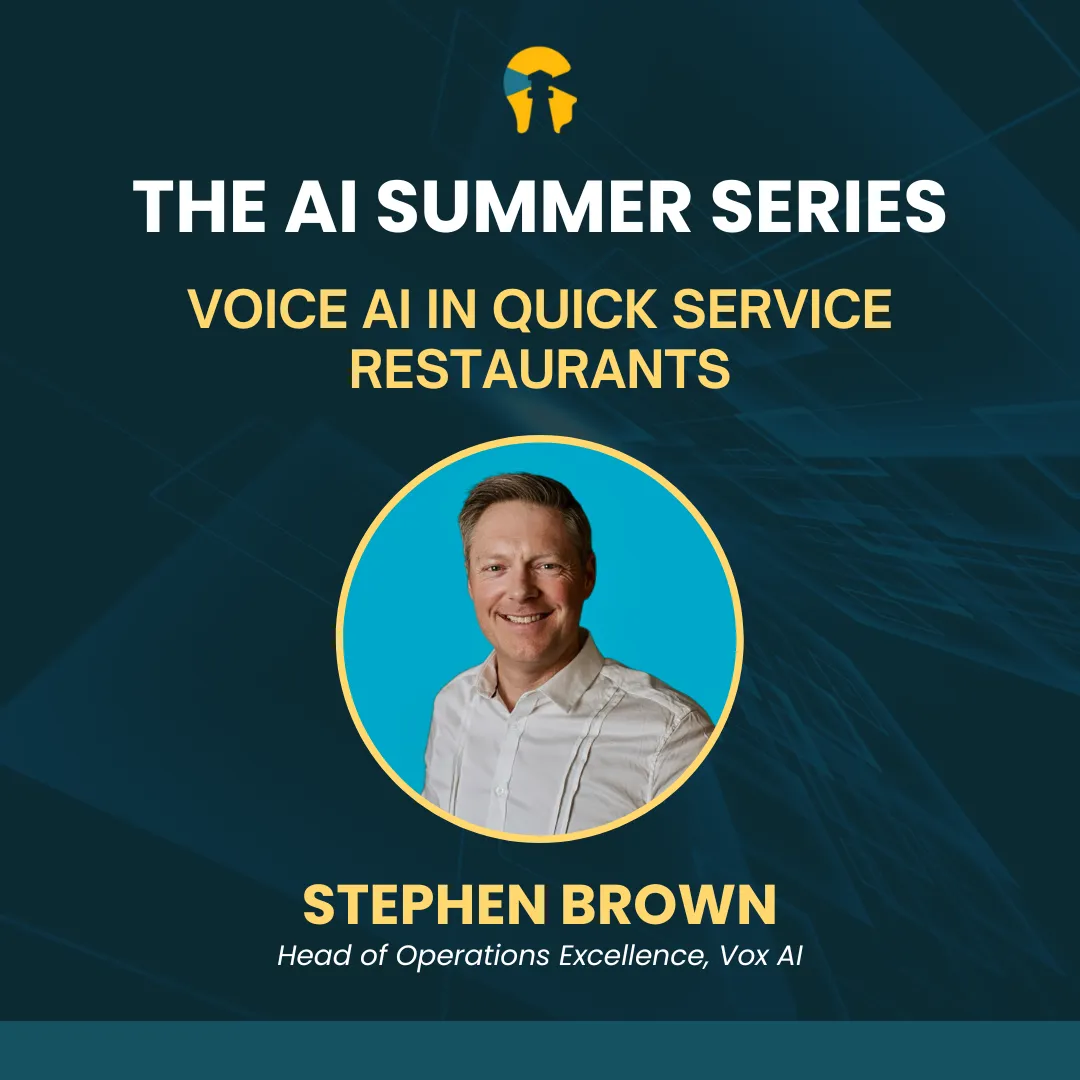
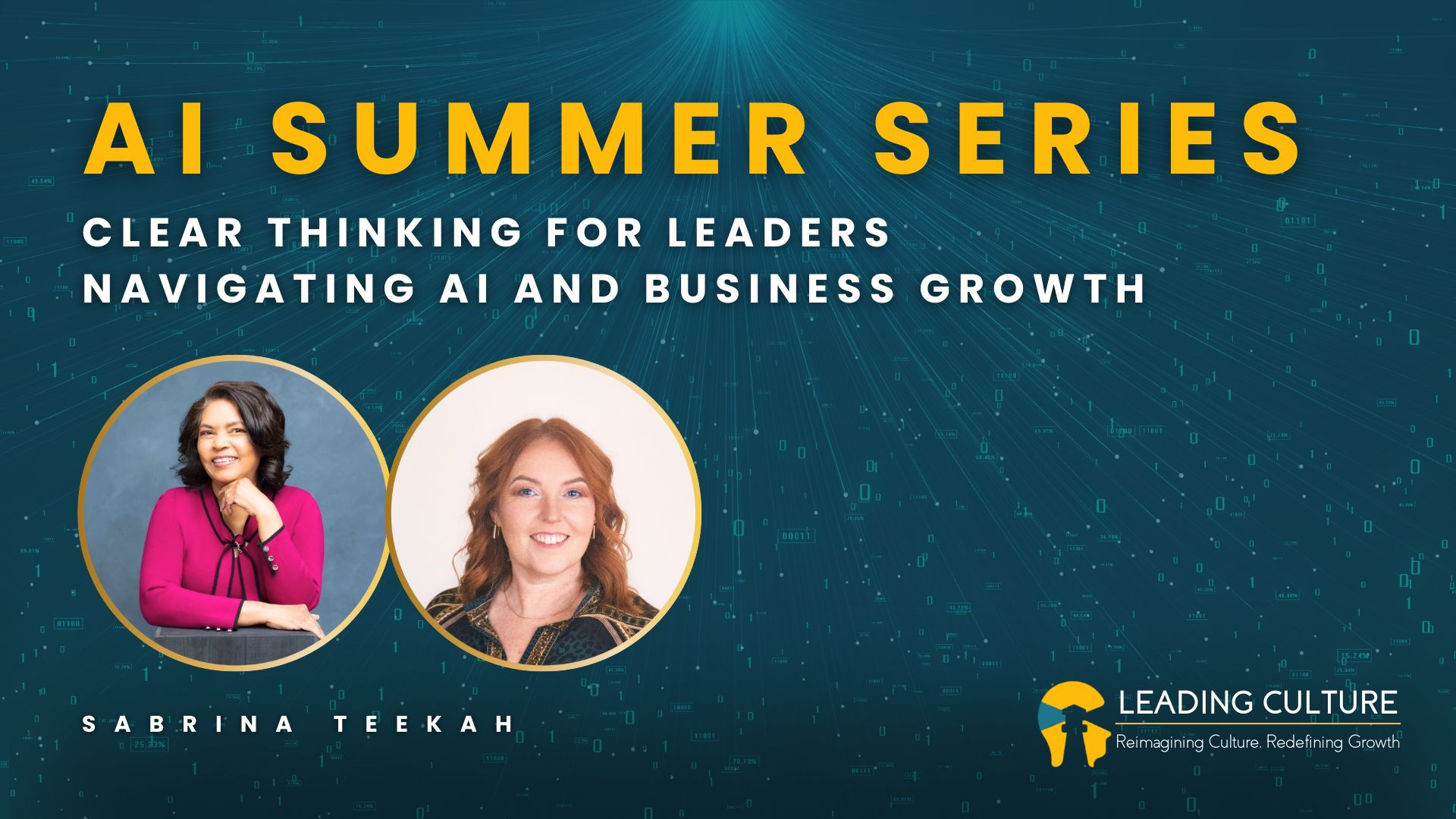
Week Four Speakers: (release 23 February 2026)