AI Summer Series
Clear thinking for leaders navigating AI and business growth.

Amanda Reid
CEO at BERL

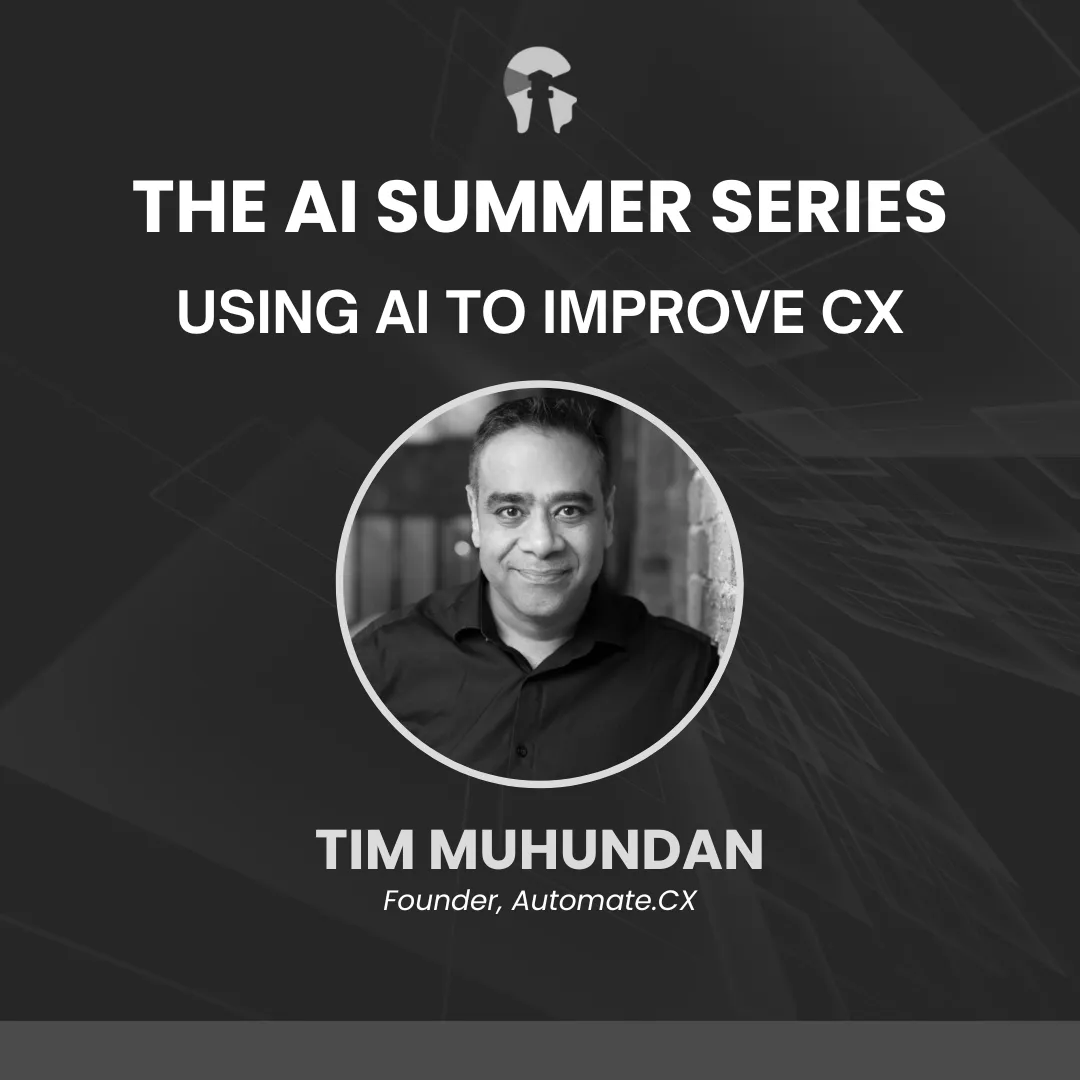
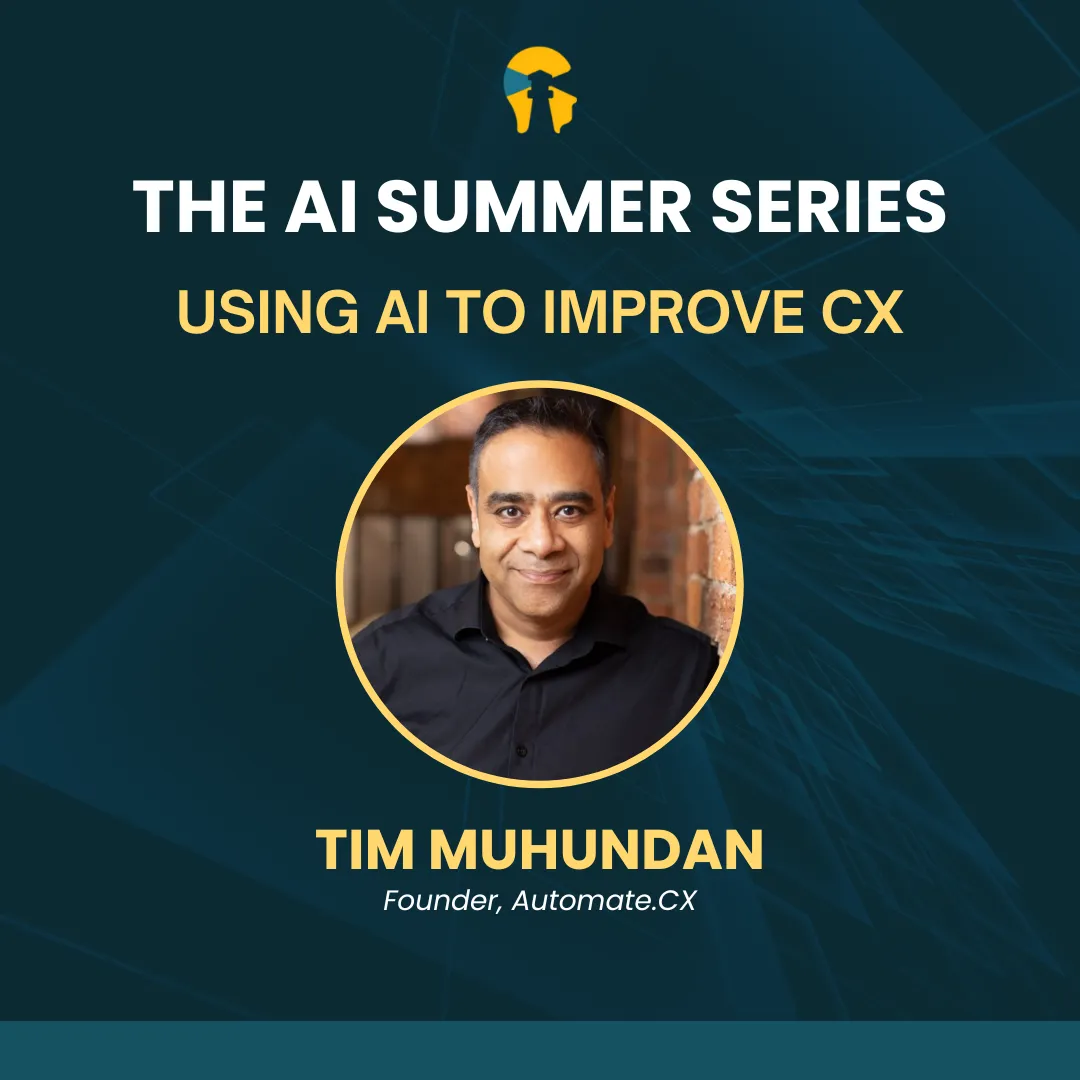
TIM MUHUNDAN
Founder, Automate.CX
Tim Muhundan is the founder of Automate.CX. He helps SMEs grow revenue and retention by designing end-to-end customer journeys and deploying AI-driven CRM automation across sales and service. As CEO of Automate.CX and a Zoho CRM Plus & Zoom CX partner, he unifies data, orchestrates journeys, and surfaces next-best actions teams can trust.
His work covers CX discovery and journey mapping, build and integration, and enablement through practical workshops.
💡Key Takeaways from Tim's Interview
1. Shifting from Reactive to Predictive CX
The core philosophy is moving away from simply reacting to customer issues and instead anticipating needs before friction occurs. By capturing real conversations and using AI to orchestrate customer journeys, businesses can provide service based on unmet needs before a customer even files a complaint.
2. The Importance of Decision Support Systems
Tim emphasizes that the most successful companies will not just have "smart AI," but superior decision support systems. While many businesses can capture data in a CRM, the real skill lies in turning that information into insights that drive AI decisions at every point in the customer journey. This allows AI to guide the "best next action" rather than acting as a simple support tool.
3. Evolving ROI Metrics
Traditional metrics like cost reduction or survey results are being replaced by more sophisticated measures enabled by agentic AI. Key metrics to track now include:
• Decision Speed and Quality: Measuring faster conversions and shorter service times.
• Revenue Outcomes: Tracking revenue per customer, lifetime value, and retention rates.
• Operational Efficiency: Calculating the cost for an employee to service a customer and automating mundane tasks to spot efficiency gains.
4. Practical Use Cases for Agentic AI
Tim highlights several immediate applications for this technology:
• Automated Scheduling: Moving beyond tools like Calendly to AI voice agents that can understand a customer’s specific problem, match them with the right expert, and find a slot in a calendar.
• E-commerce Support: Integrating voice agents with back-end systems to handle tasks like order verification and tracking, often providing a better experience than a human call center agent.
• Internal Knowledge Bases: Using AI to help employees access information more efficiently.
5. Avoiding Implementation Pitfalls
The interview identifies common mistakes businesses make when integrating AI:
• Automating Broken Processes: AI is not a "magic wand"; layering it over fragmented data or undefined processes will only amplify existing imperfections.
• Treating AI as an IT Project: AI implementation should be driven by leadership, not delegated solely to the IT department.
• Lack of Critical Thinking: Businesses often fail because they copy a competitor's AI strategy rather than aligning the tools to their own specific friction points and needs.
6. Future Innovations (3–5 Years)
Tim predicts three major transformative trends:
• Multi-Agent Collaboration: Specialized AI agents from different vendors working together to coordinate end-to-end tasks.
• Preemptive Organizations: Companies acting to prevent negative experiences before the customer even feels the friction.
• Autonomous Executive Layer: AI acting as an execution layer across workflows, moving beyond just providing insights to taking autonomous action under human oversight.
7. Strategic Advice for Leaders
Rather than getting distracted by the future potential of Artificial General Intelligence (AGI), leaders should focus on changing their current operating systems to be AI-led. The ultimate goal is to shift the business from managing interactions to orchestrating outcomes. Leaders are encouraged to ask how AI can catapult the business forward rather than just focusing on incremental efficiency gains.


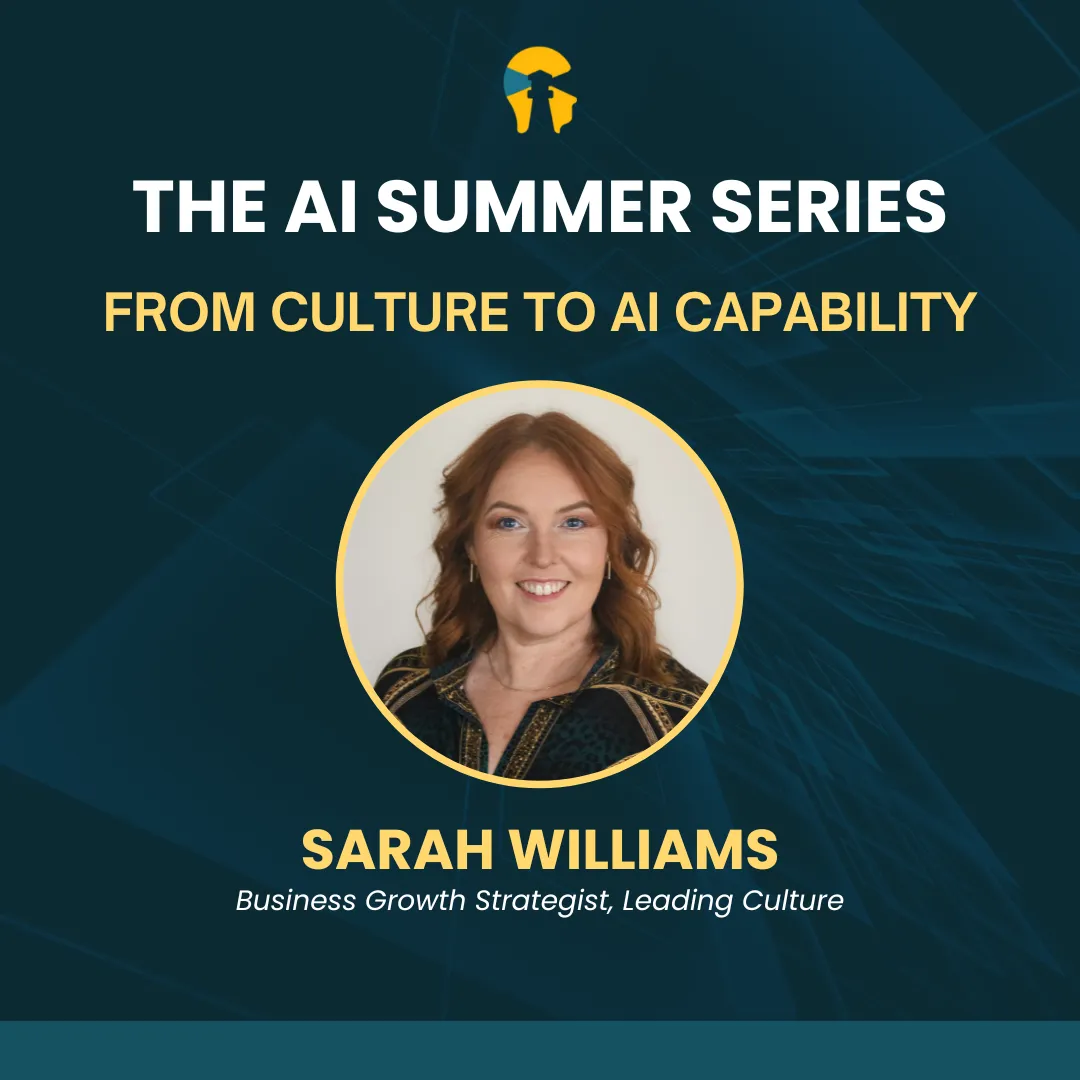
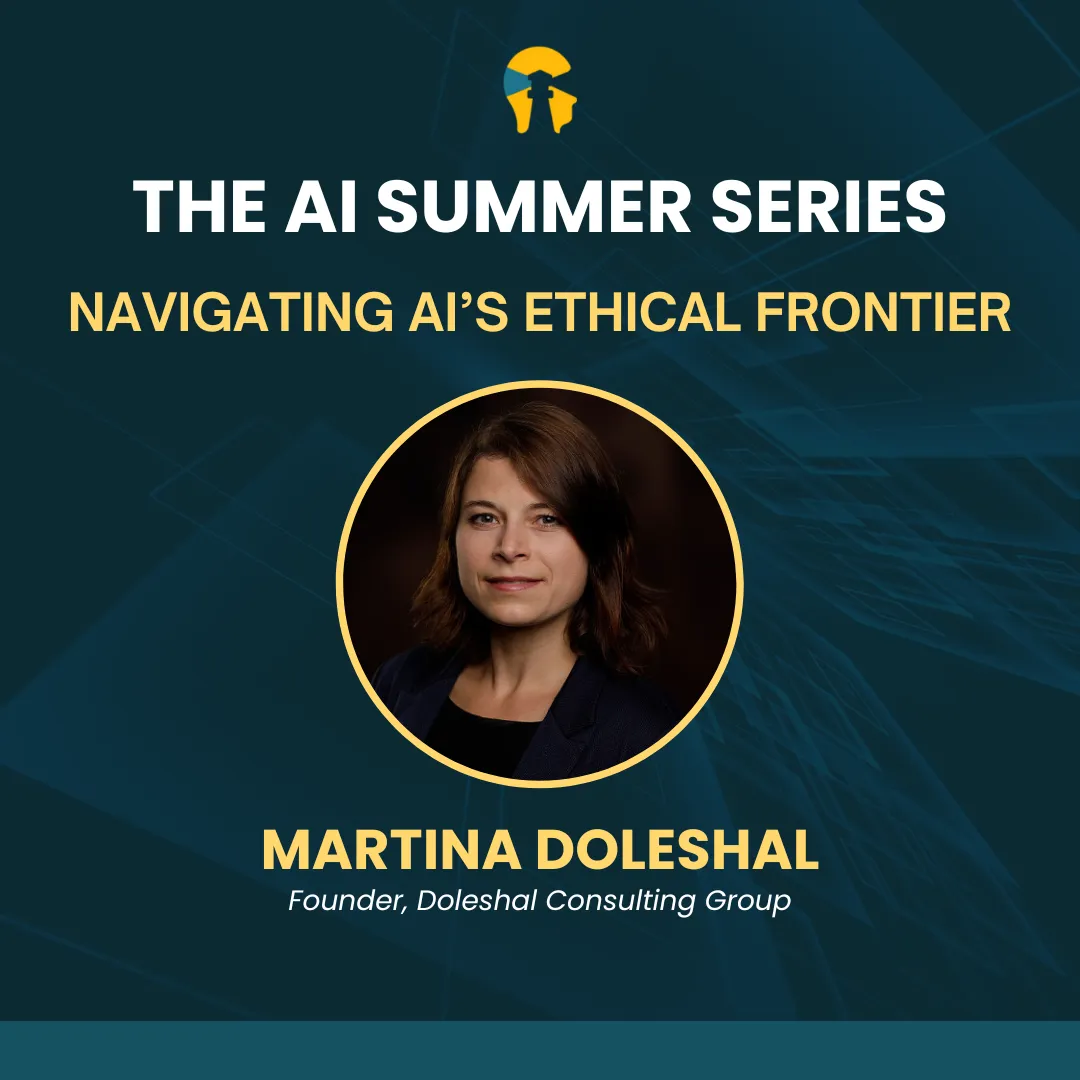
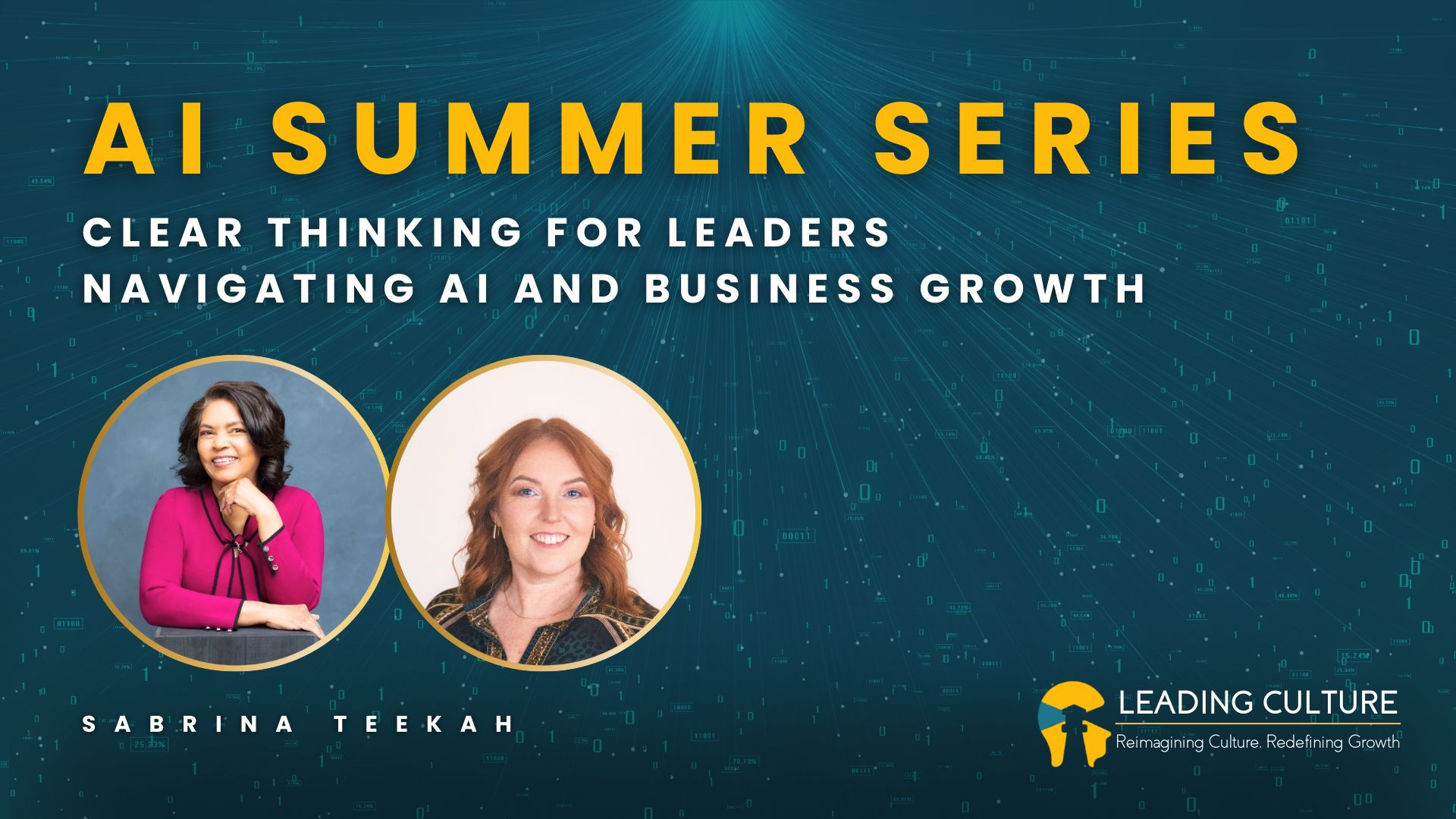
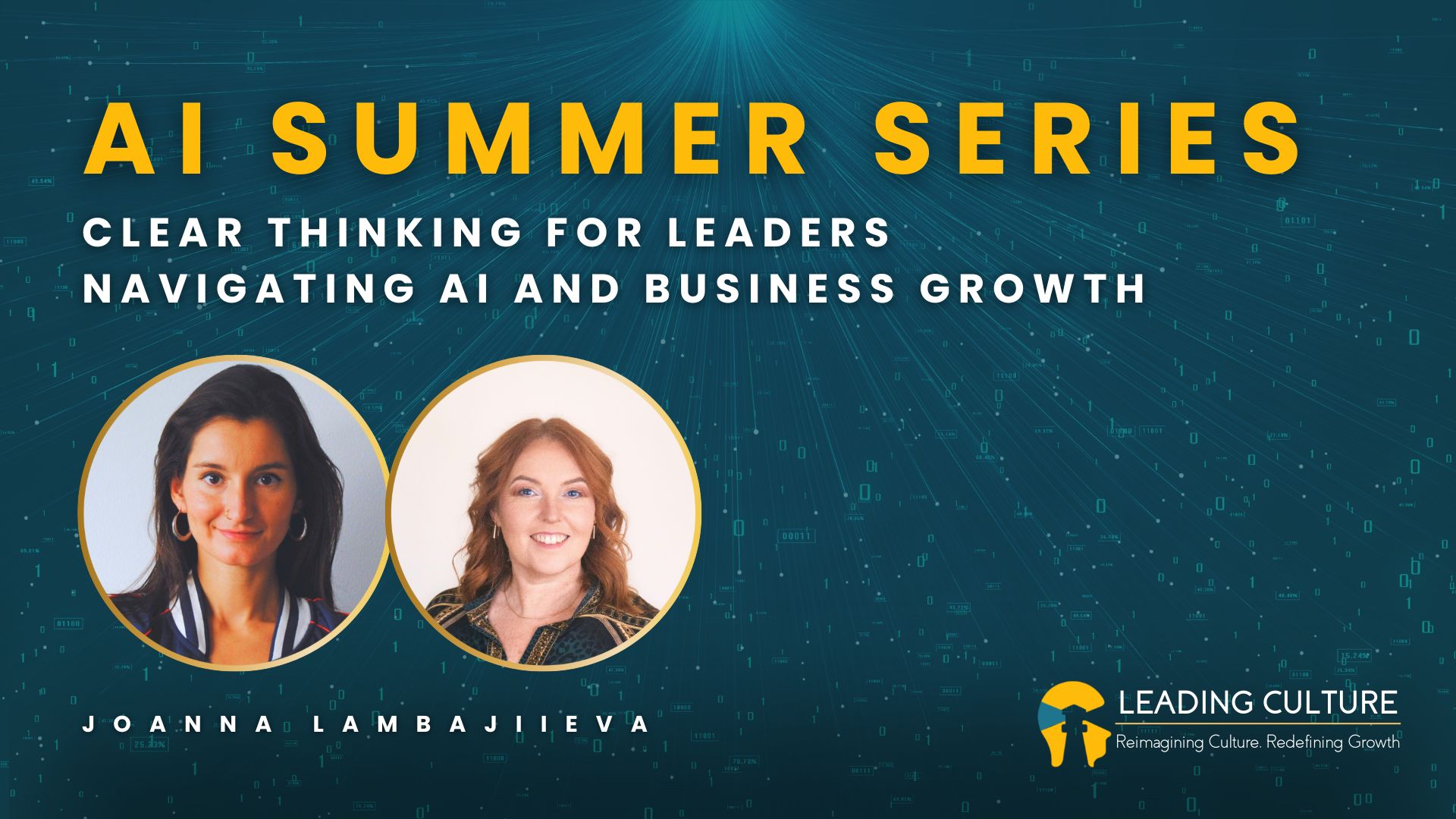
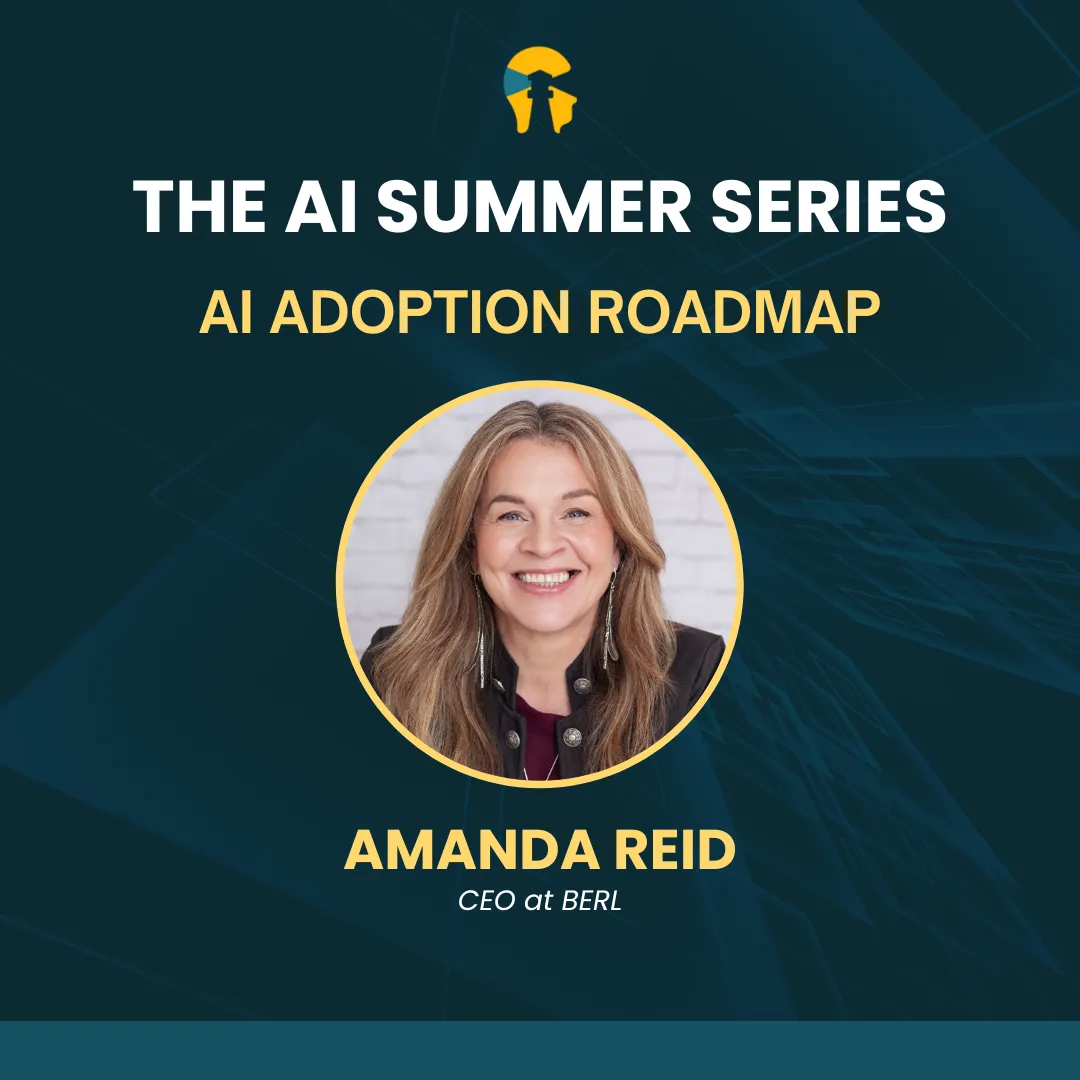
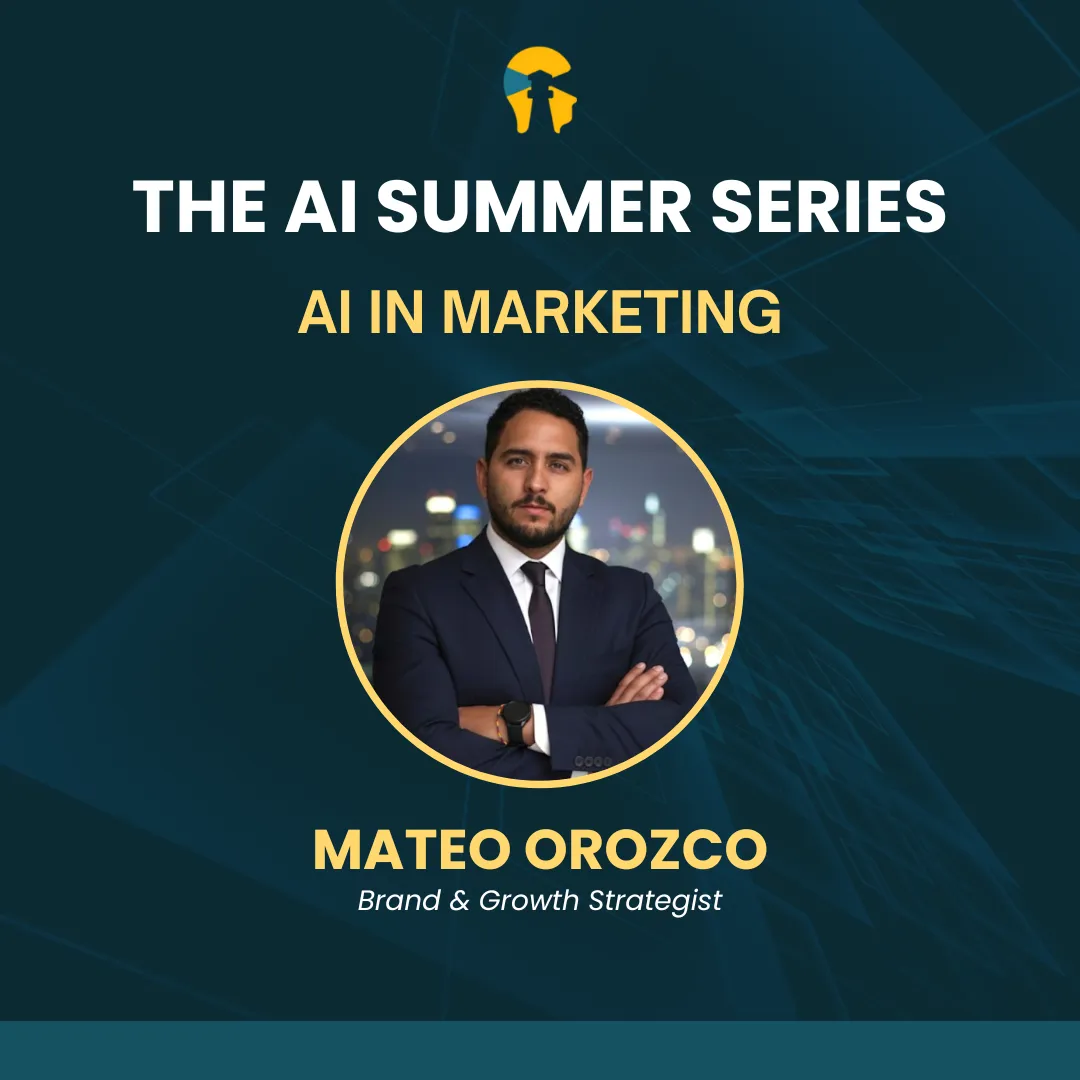
Week One Speakers: (click the image to watch the interview)
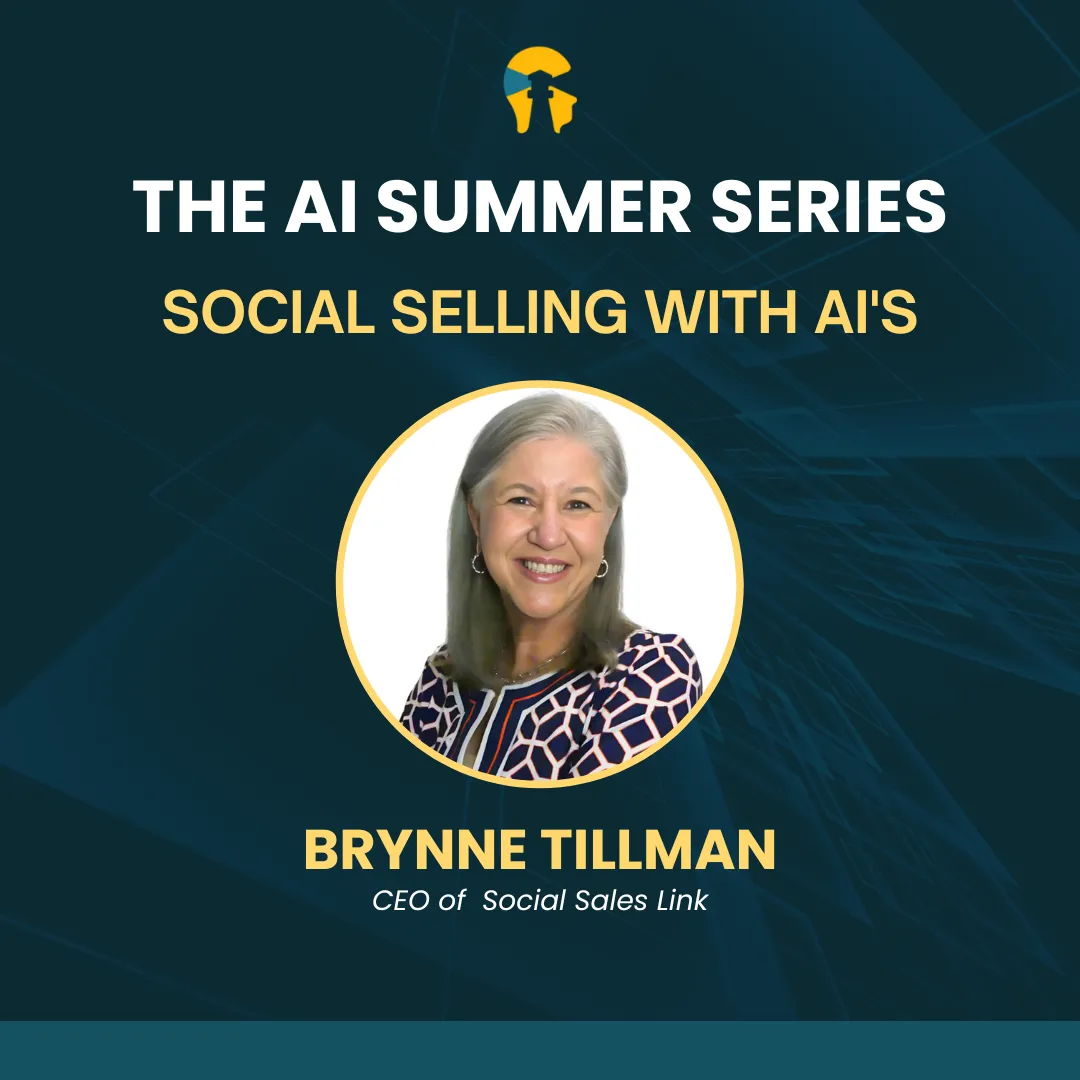
Week Two Speakers: (released 9 February 2026)
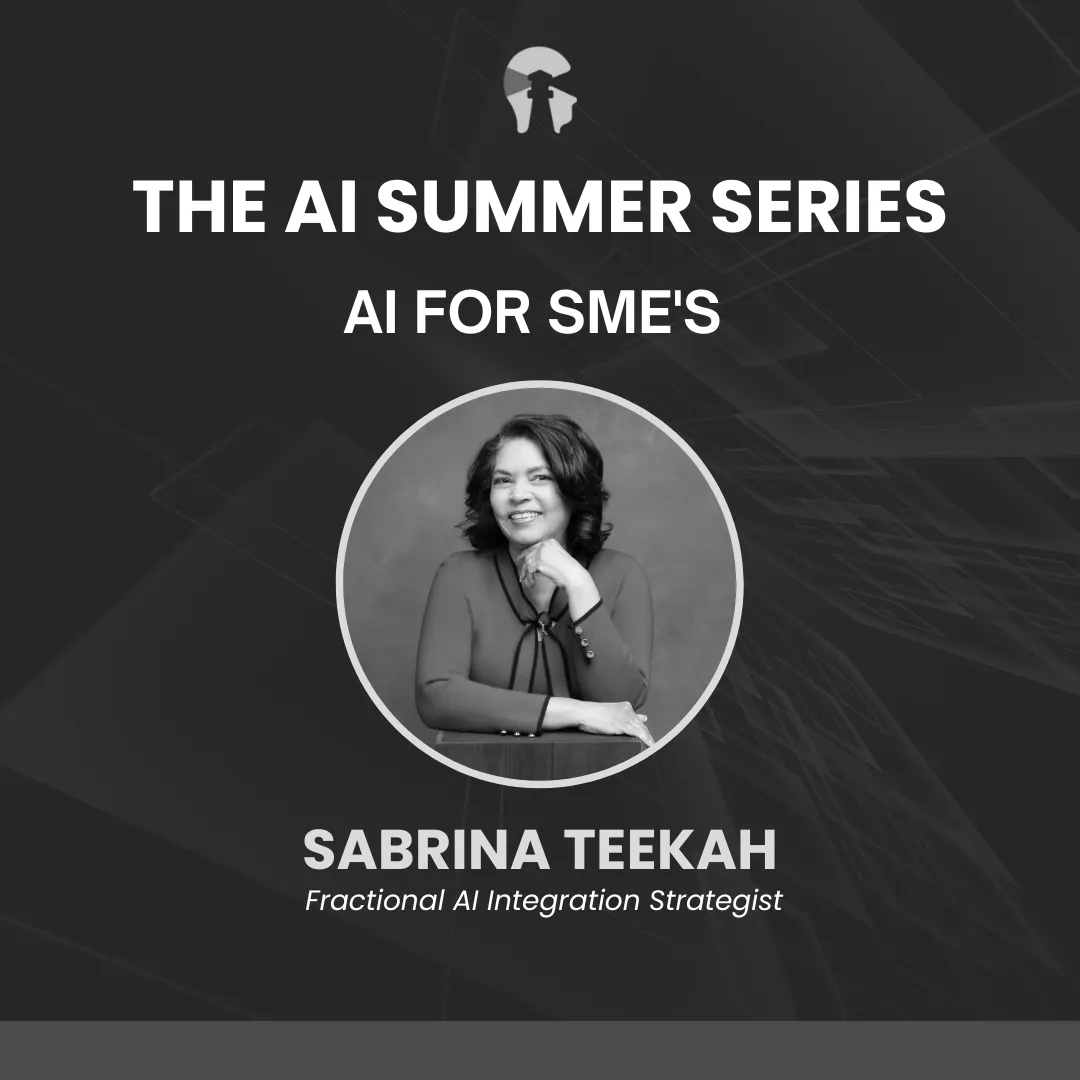
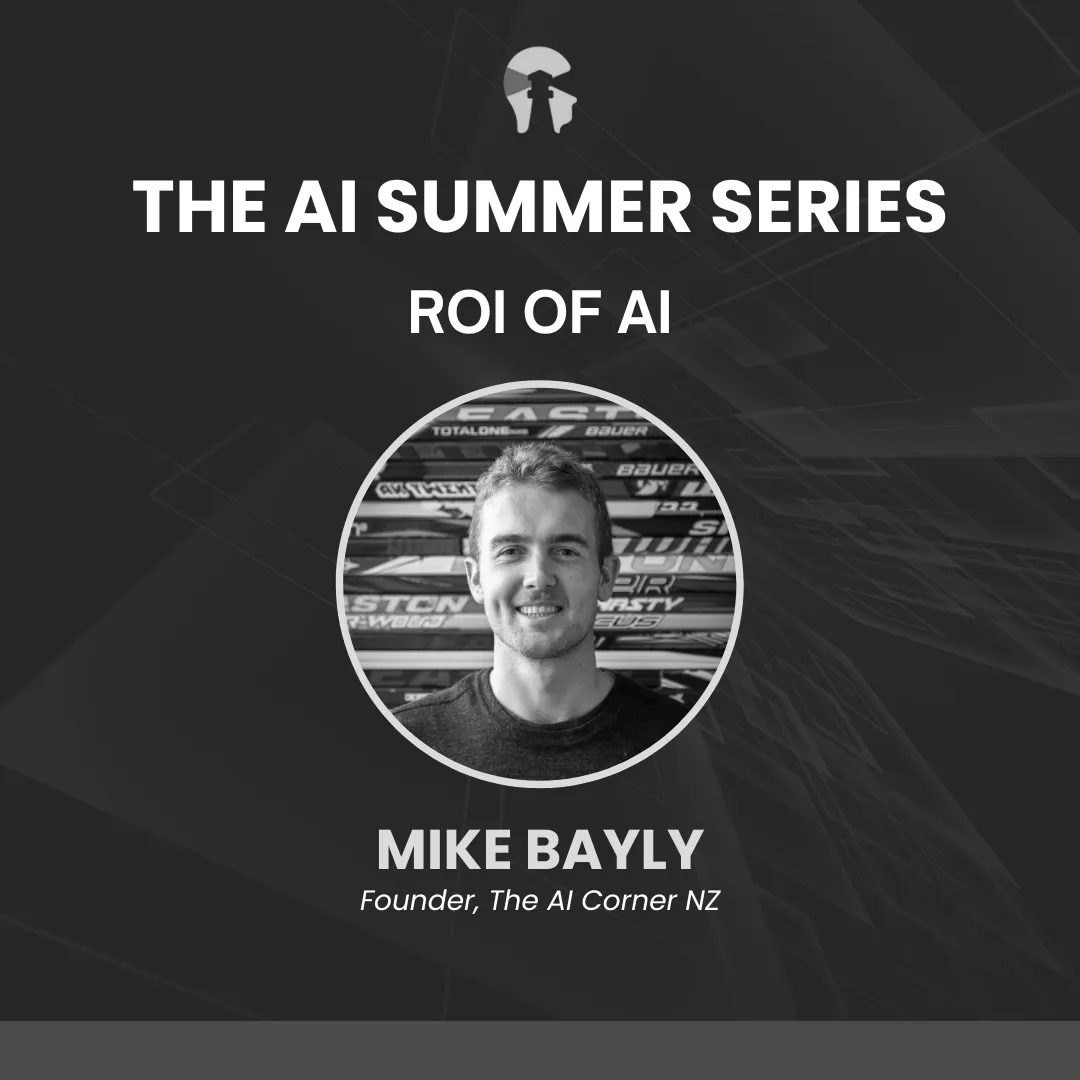
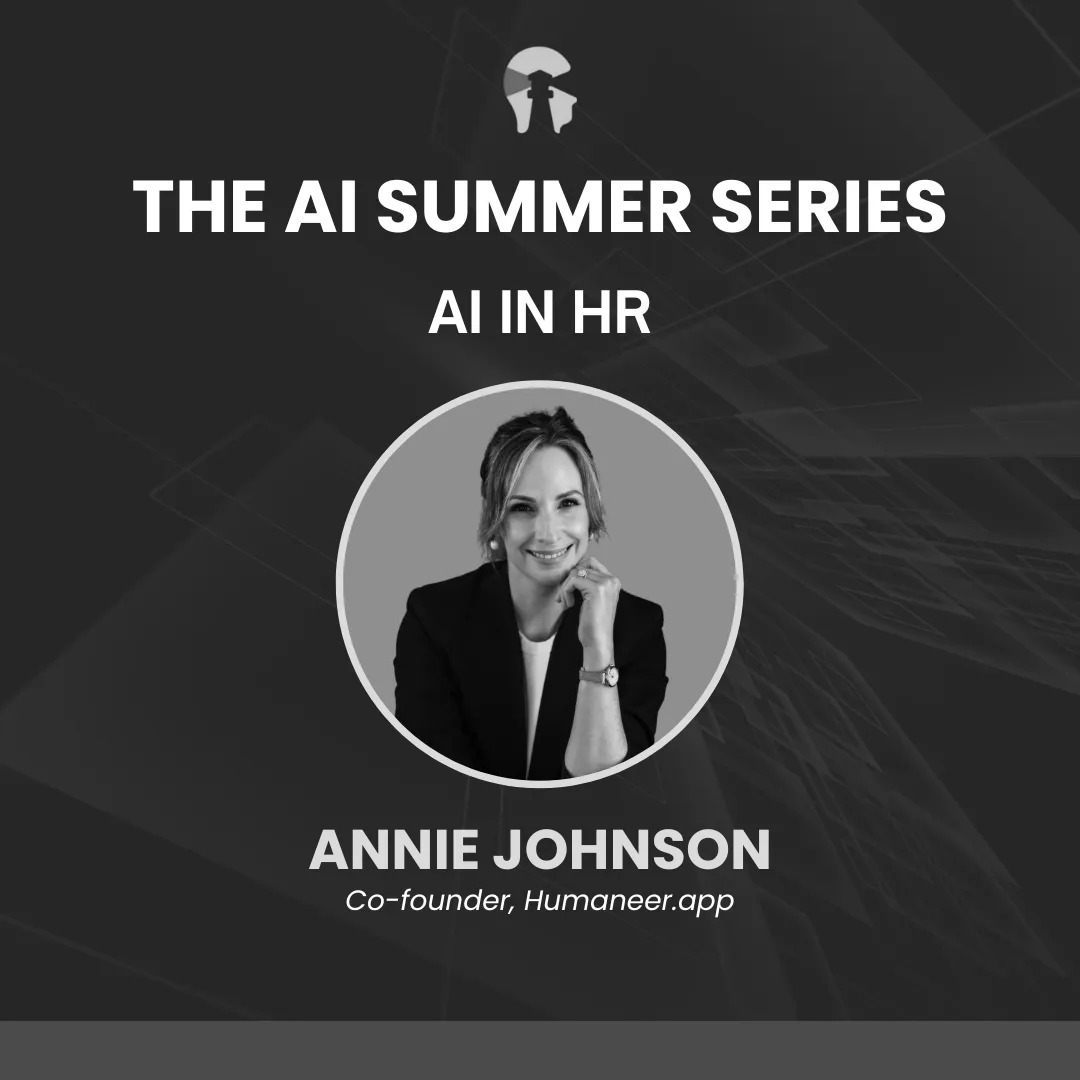
Week Three Speakers: (release 16 February 2026)
Week Four Speakers: (release 23 February 2026)