AI Summer Series
Clear thinking for leaders navigating AI and business growth.

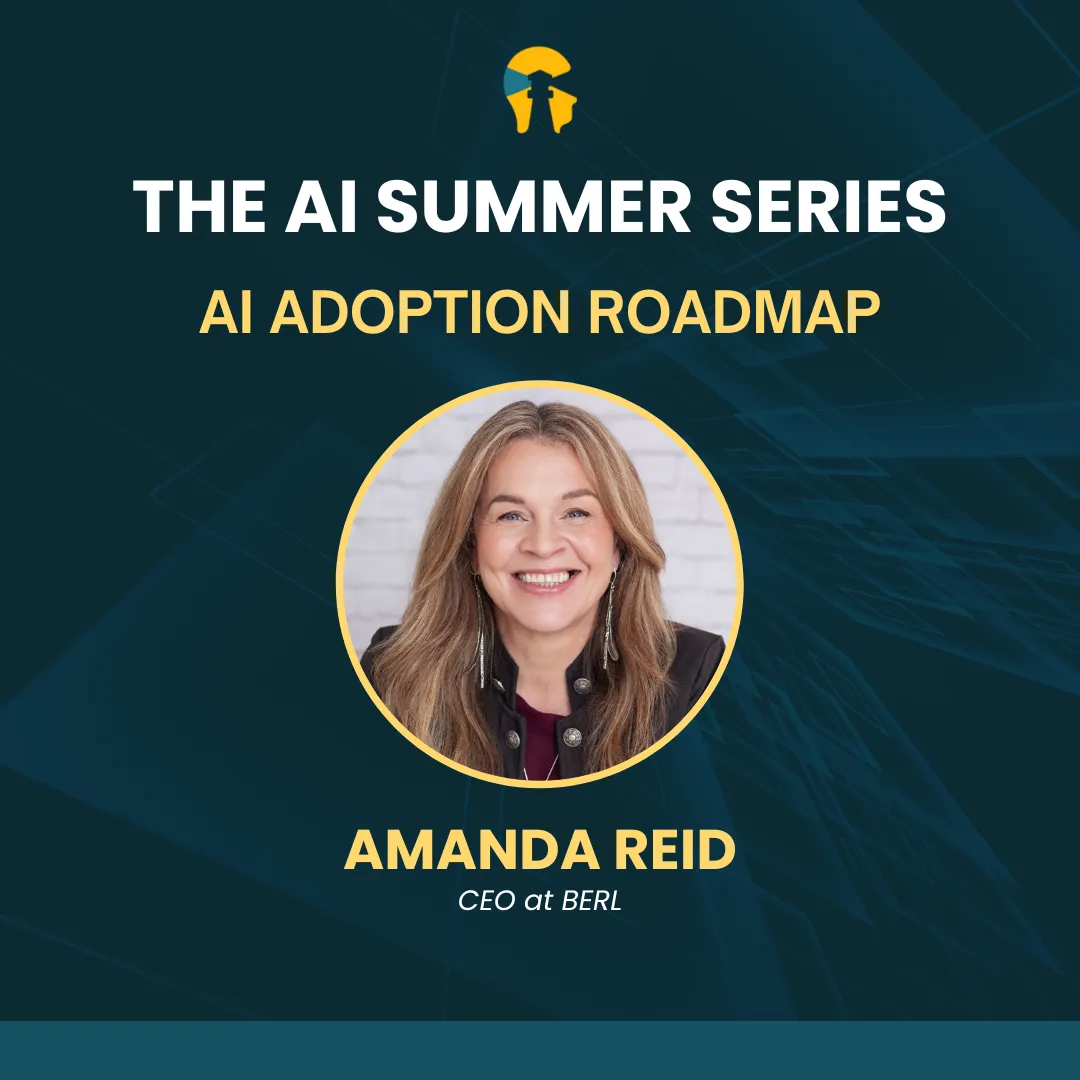
Amanda Reid
CEO at BERL

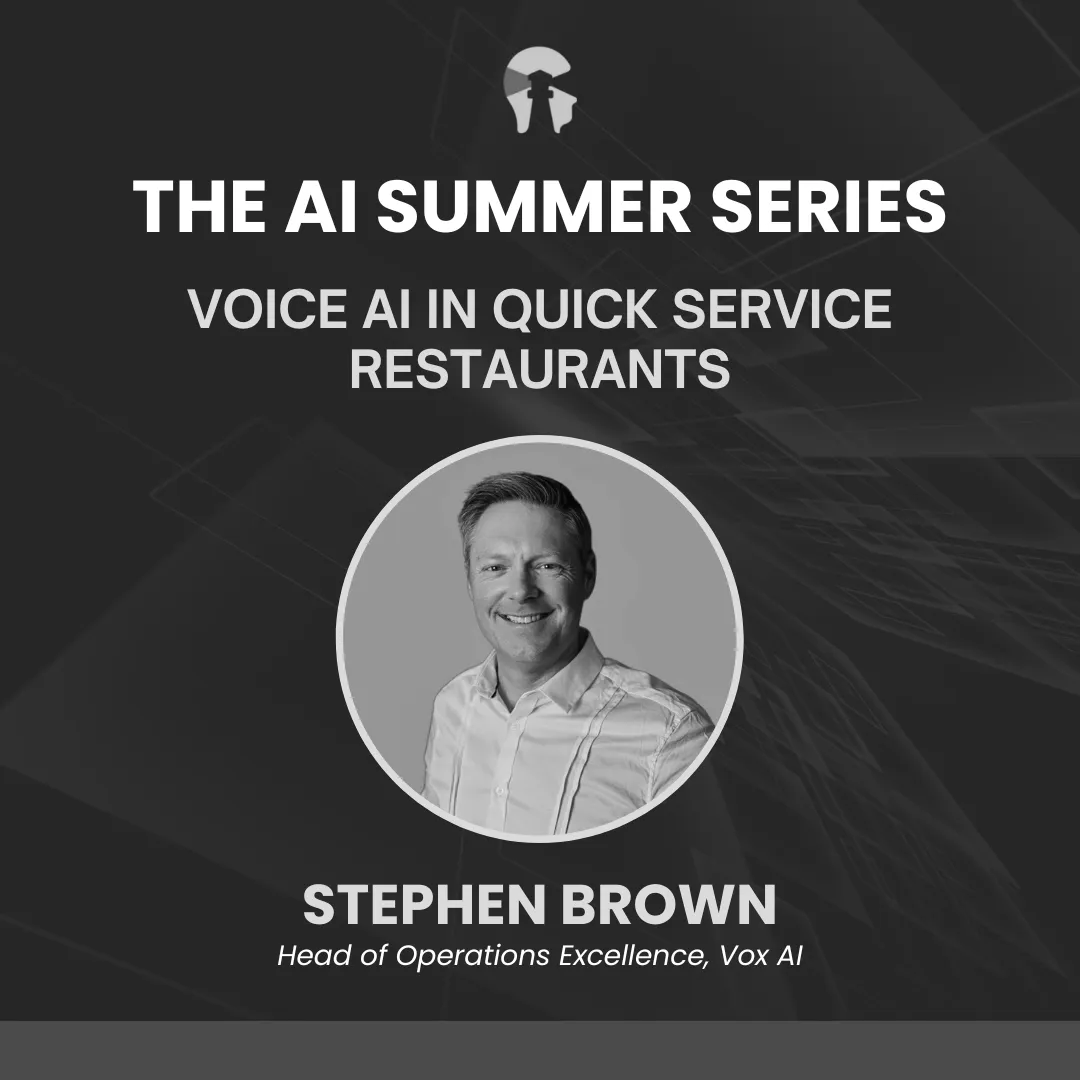
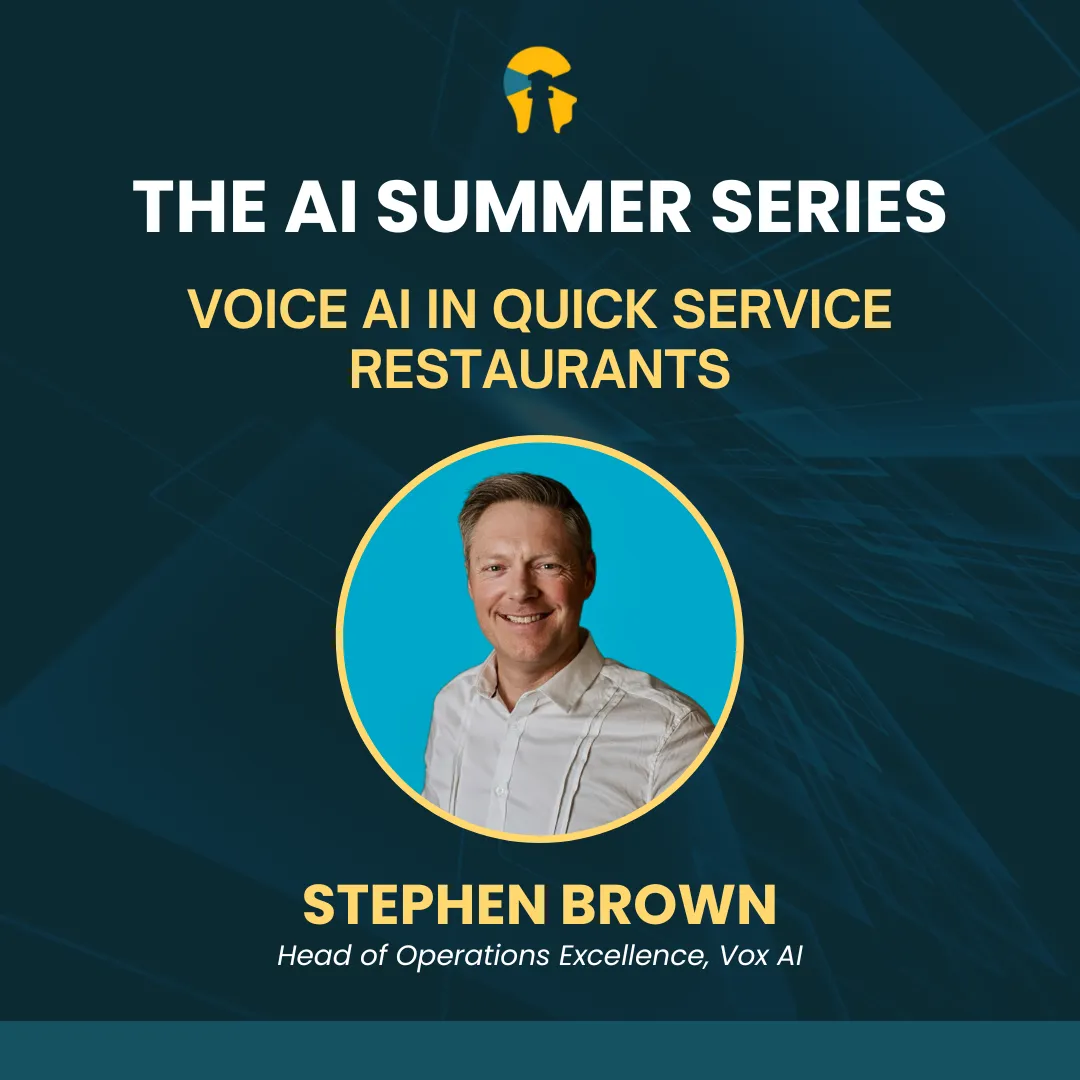
STEPHEN BROWN
Head of Operations Excellence, Vox AI
Introducing Stephen Brown (Stevo) a guy who has spent almost 40years in the QSR industry. That is referring to Quick Service Restaurants, less eloquently know as fast food.
As a breakdown Stephen started out in McDonalds Palmerston North as a 16 year old rising through the ranks from an after school job to fund future studies. However 25 years later he was just leaving after a long season in operations at the Auckland head office having held a position on the global team for McCafe (taking coffee to the world).
After a short career break working with some local charities here in Auckland Stephen was asked to come and support the Burger King expansion in New Zealand.
As Head of Operations Excellence at Burger King he discovered the benefits for voice AI after optimising the platform and creating a global operational standard for others to learn from.
Current day he works with Vox AI. A voice AI company based out of Amsterdam that is bringing innovation, and an industry leading voice AI experience to businesses around the globe.
💡Key Takeaways from Stephen's Interview
1. Performance and Efficiency Gains
• World Record Throughput: Using a voice AI platform, a Burger King restaurant in Dunedin achieved a global record for the number of cars served through a drive-thru.
• Competitive Edge: The pilot restaurant outperformed 80 other locations in drive-thru metrics for a three-hour period without increasing its staff count.
• Consistency: Unlike human employees who may tire or forget after a few hours, the AI provides a consistent sales journey, including suggestive selling and upselling processes.
2. Impact on Staff Wellness and Retention
• Reduced Stress: One of the most significant discoveries was a noticeable drop in staff stress levels. The AI handles "low level remedial" tasks, allowing humans to focus on higher-value activities like strategy, customer relationships, and safety compliance.
• Lower Turnover: Data showed that restaurants utilizing AI had lower staff turnover compared to those without the technology.
• Conflict Mitigation: The AI acts as a buffer; staff reported feeling less pressure because they weren't the ones being "sworn at" or "abused" by difficult customers. Interestingly, Brown noted that customers are often more polite when speaking to an AI.
3. Enhanced Sales and Marketing
• Targeted Messaging: AI-driven "targeted messaging" significantly boosted fundraising; one restaurant's weekly donations for the Canteen organization jumped from a few dollars to $800 after the AI began asking for donations.
• Product Shifts: The technology successfully shifted product mixes, such as increasing sales of Frozen Coke by swapping it into the AI's suggestive selling script.
4. Addressing the Narrative of Job Loss
• Support vs. Replacement: Brown emphasizes that AI is designed to support human performance, not replace it.
• Business Flexibility: When customers asked who lost their job to the AI, Brown clarified that no one lost their job or hours; instead, the business gained the flexibility to move those employees to more guest-related or compliance-focused tasks.
5. The Future of Voice AI Branding
• Brand Identity: The industry is moving toward "one voice" for a brand across all platforms (drive-thru, kiosk, and mobile) to ensure consistency.
• Voice Cloning: Technology has advanced to the point where a voice can be cloned in only two or three seconds, allowing brands to use celebrity voices or specific personas to create more engaging "human-like" experiences.
6. Advice for Business Leaders
Brown recommends three steps for leaders considering AI:
1. Conduct a Needs Analysis: Identify where AI can handle "heavy lifting" or remedial tasks.
2. Partner Locally: Engage with experienced AI business partners to support the journey.
3. Optimize with Vision: Once AI is embedded, step back and look for ways to optimize it as the technology continues to evolve rapidly.


Week One Speakers: (click the image to watch the interview)
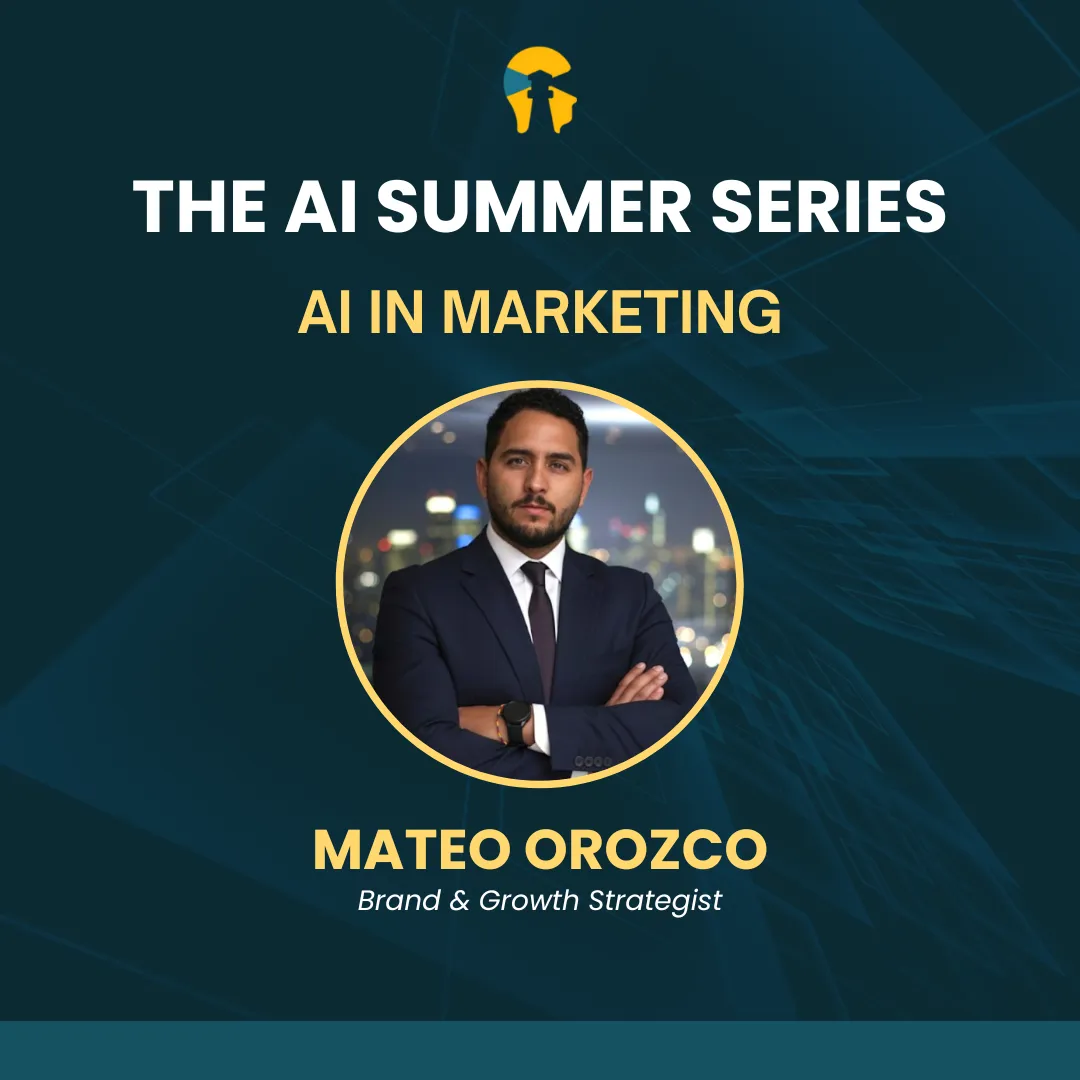
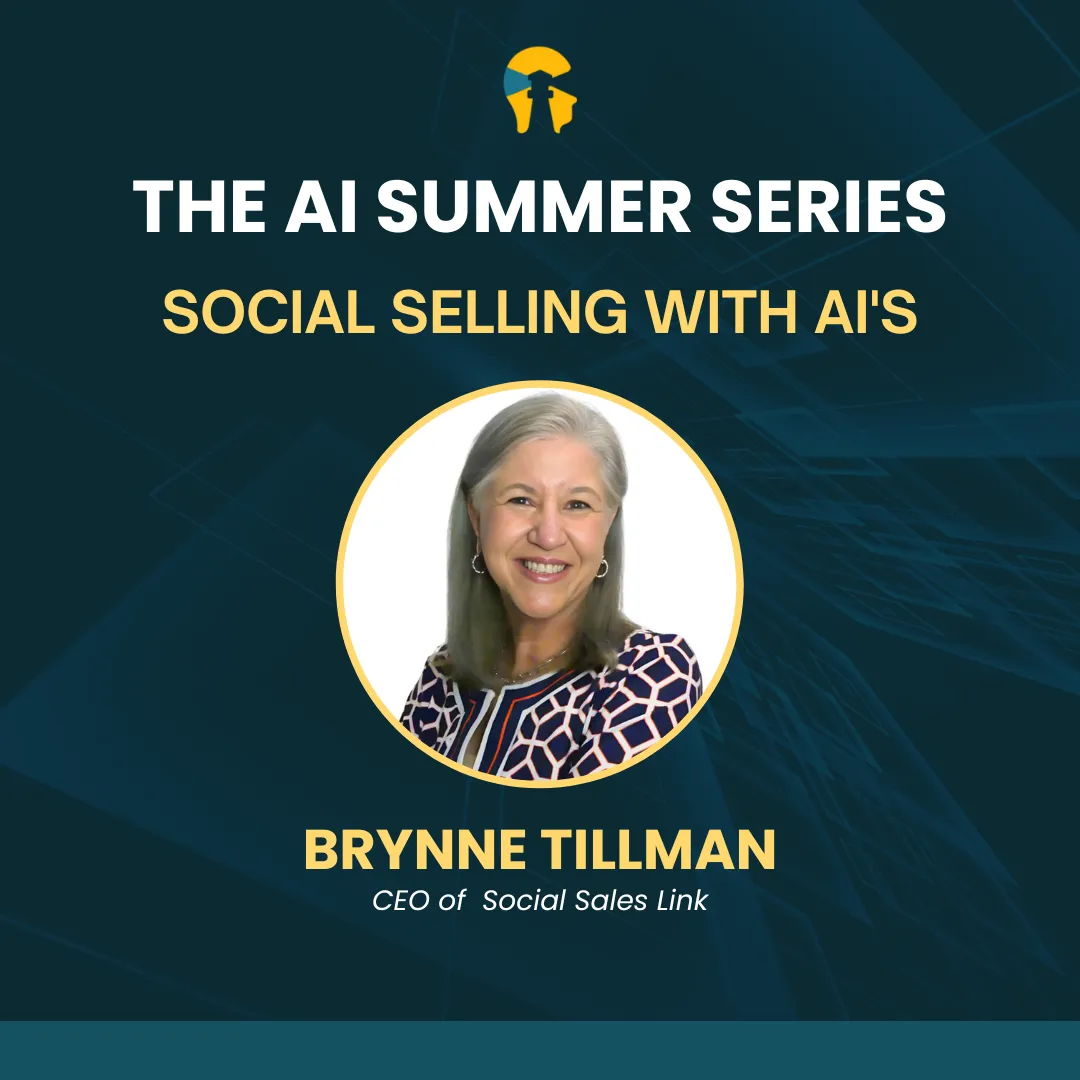
Week Two Speakers: (released 9 February 2026)
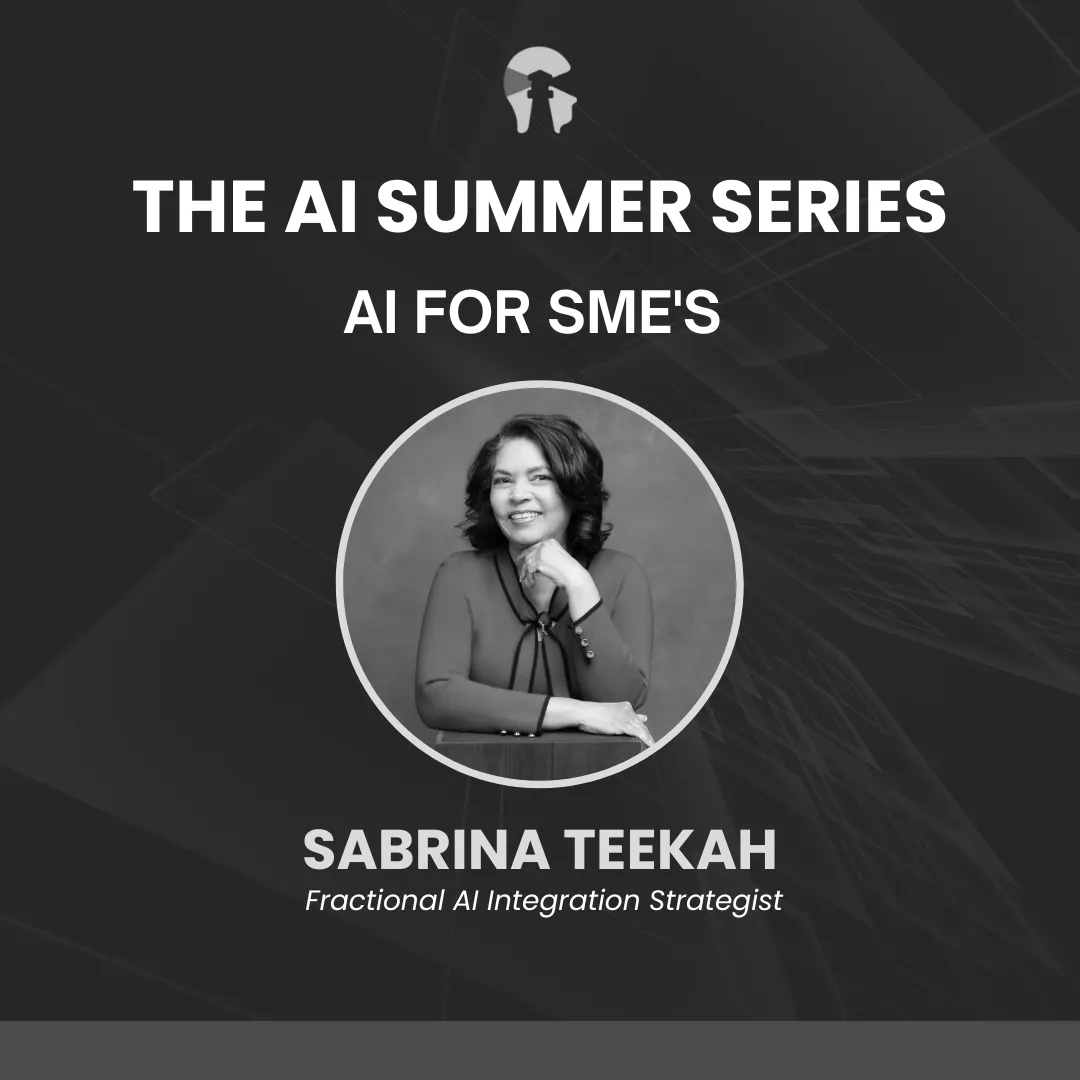
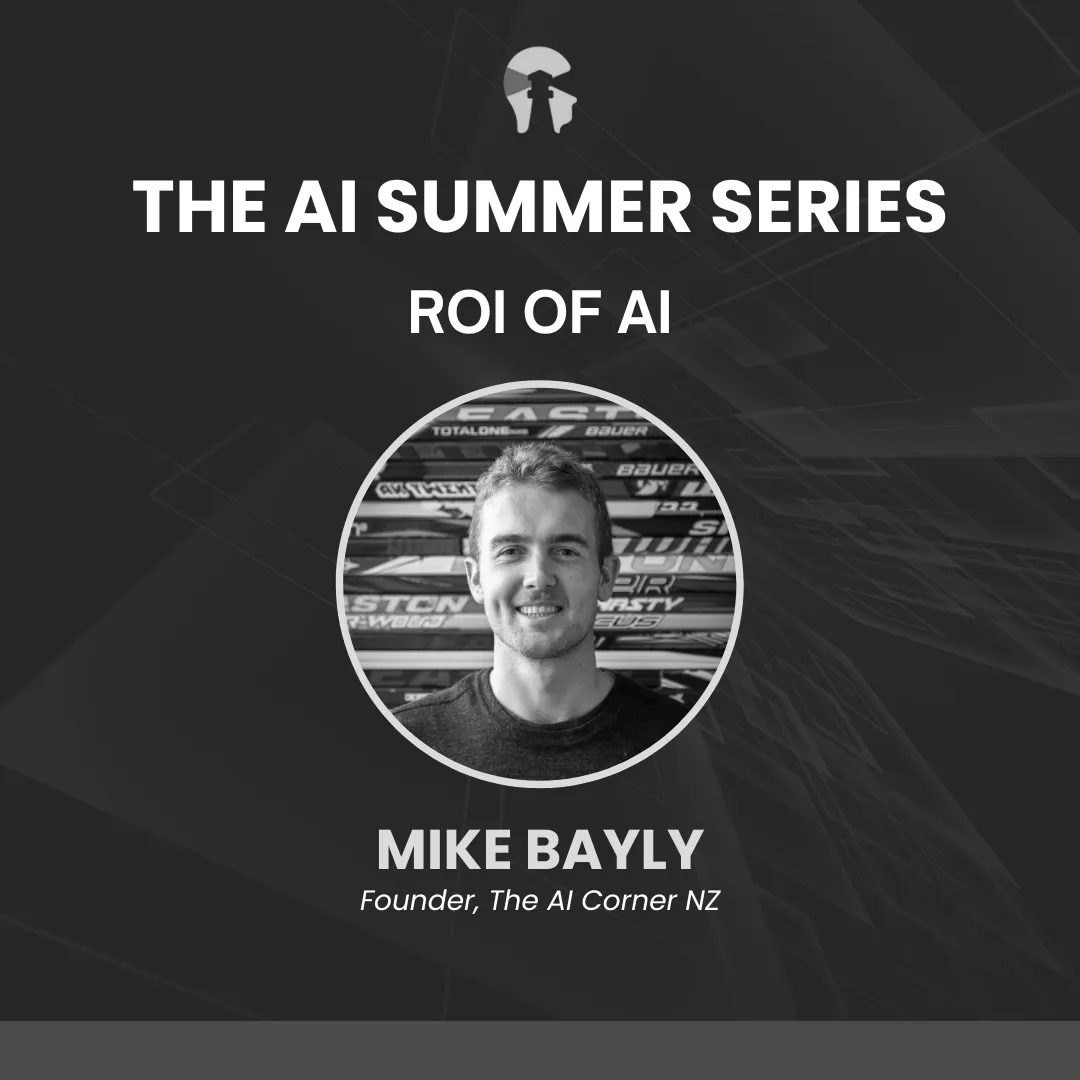
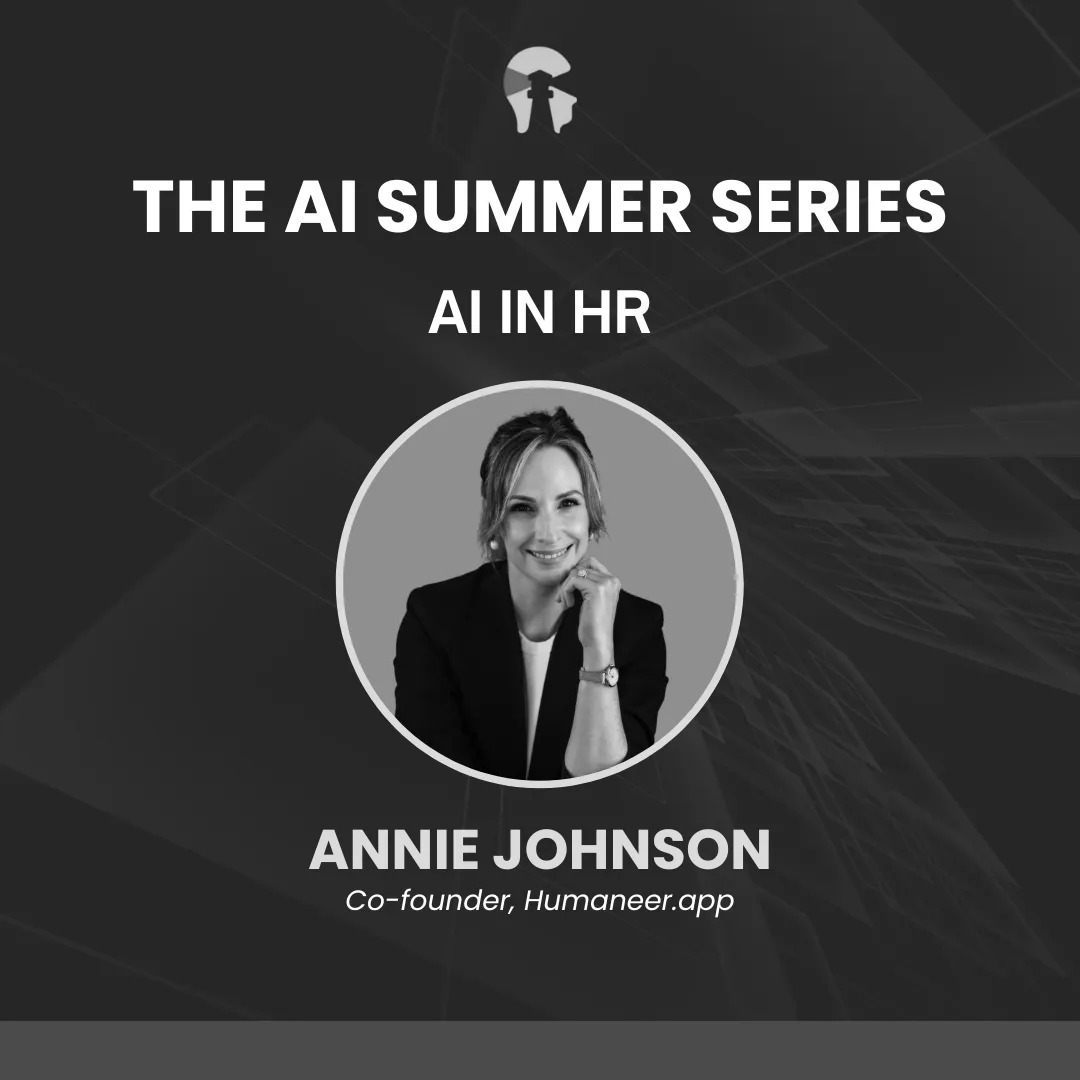
Week Three Speakers: (release 16 February 2026)
Week Four Speakers: (release 23 February 2026)