AI Summer Series
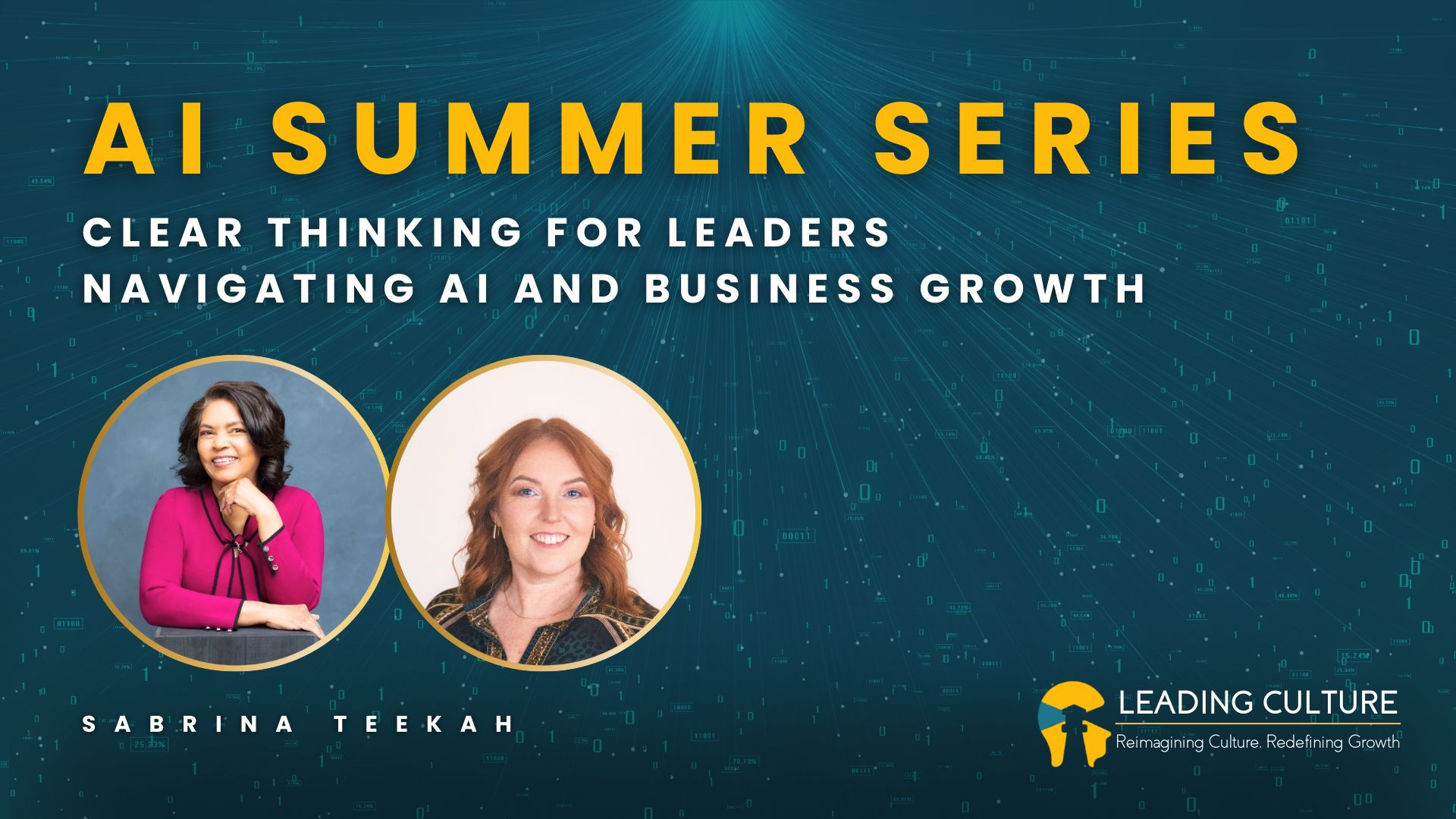
Clear thinking for leaders navigating AI and business growth.

Amanda Reid
CEO at BERL

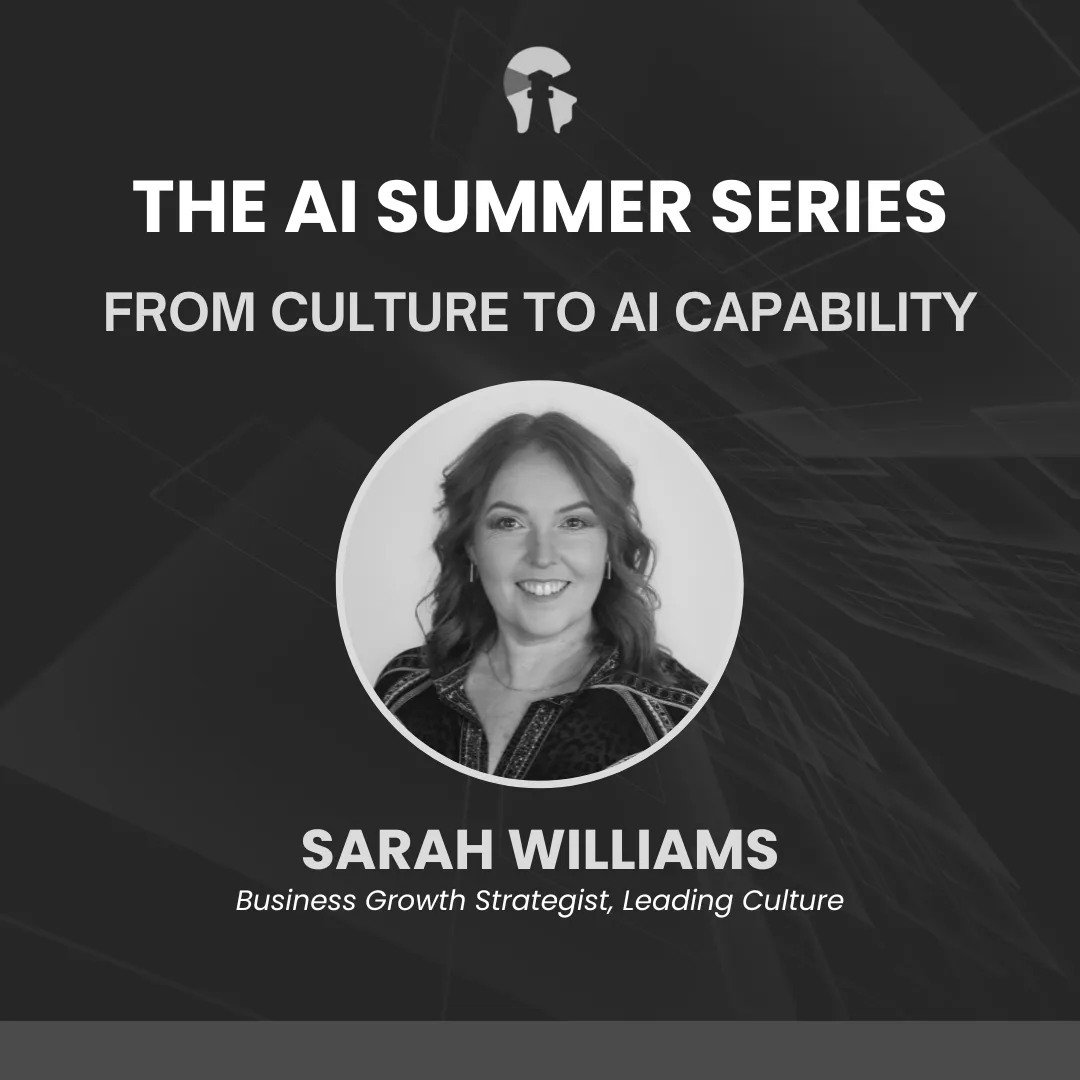
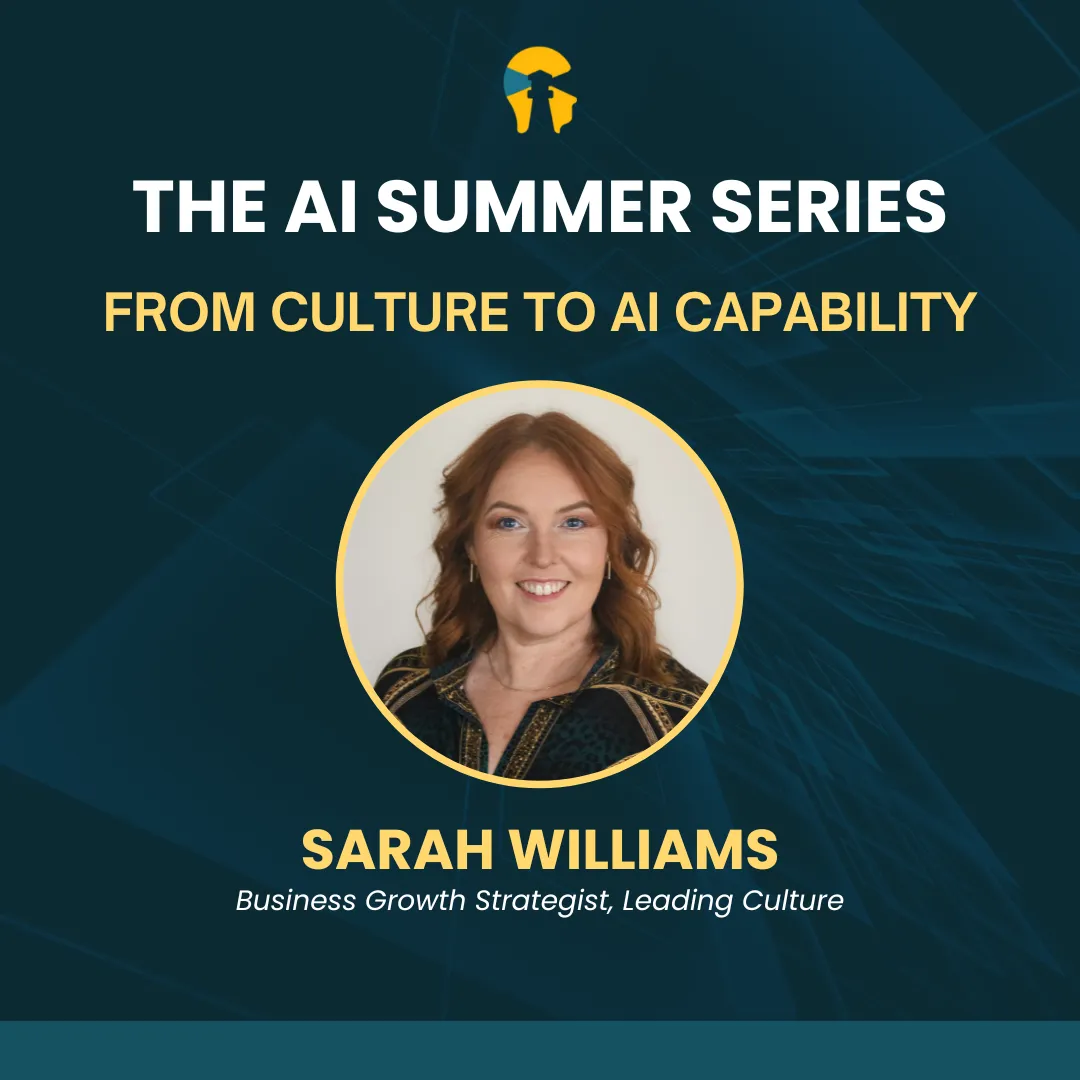
SARAH WILLIAMS
Founder, Leading Culture
Sarah Williams formed Leading Culture following 10 years as Director and CEO of Team One International. Sarah has hand-picked a team of world class facilitators, coaches and consultants who’s passion towards people, cultures and organisations rivals her own!
Over the past 20 years, her unique approach combines a strong foundation in business management with a passion to streamline processes, increase efficiency, effectiveness and sales growth through robust people development strategies. Her customised training, facilitating and coaching solutions have enabled success with hundreds of clients including a client who turned their business around from insolvency to sales growth of over seven figures.
Sarah is fascinated by the limitless potential in human beings, and her own learning journey ensures she has a breadth and depth of knowledge that is unrivalled and remains at the cutting edge of international research. This not only demonstrates her passion for learning but also her dedication to developing world-class, thought-provoking solutions to her clients.
💡Key Takeaways from Sarah's Interview
1. Culture as the Foundation for Growth
• From Numbers to People: Sarah’s background as an accountant led her to realize that businesses cannot be run on numbers alone; the real power lies with the people.
• Defining Culture: She describes culture as the "vibe" of a business - the collective behaviours, practices, habits, stories, and legends that define how people interact.
• Fit for Purpose: Culture transformation is usually necessary when the current environment is no longer "fit for purpose," such as when high performance or customer focus is lacking.
2. AI as a Cultural Transformation, Not Just a Tool
• Beyond Tooling: Sarah emphasizes that viewing AI merely as a tool is a mistake; instead, it represents a complete culture transformation similar to the introduction of personal computers in the workplace.
• Avoiding the "Patchwork" Approach: A "patchwork" approach - where individuals use AI independently without a unified plan - leads to inconsistency in brand voice and potential data security risks.
• Rising Expectations: AI is raising expectations for speed, quality, and consistency in both B2C and B2B environments.
3. The Opportunity of Tacit Knowledge
• Extracting Expertise: One of the greatest opportunities AI presents is the ability to extract tacit knowledge - the valuable information that exists only in employees' heads. Tacit knowledge shows up in conversations, work-arounds and other informal behaviour. It’s hard to recognise without analysing large amounts of data.
• Improved Accessibility: AI can make this previously inaccessible knowledge available across the entire organization, helping with handovers and combining complex policies with standard processes.
4. Reframing Thinking and AI Literacy
• Moving Beyond Process: As knowledge becomes more accessible, businesses must shift from a "process brain" to a "thinking brain".
• Prompt Engineering: The focus of training should not just be on how to use an LLM, but on the thinking behind it - learning how to ask the best possible questions.
• Baseline Literacy: Organizations should provide a baseline of AI literacy to empower staff and ensure they have the competency to meet new internal and external expectations.
5. Strategy for Implementation
• Answering "Why": To get employees on board, leaders must answer why it matters to the individual, showing them a desired future rather than just a benefit for the business.
• Small Experiments: Sarah recommends starting with small experiments to create safe case studies that reinforce the desired change.
Integrated Strategy: AI strategy should be aligned with the overarching business strategy and growth goals, rather than being a "bolt-on" or afterthought.
• Policy and Guide Rails: Providing clear policies and procedures gives employees the "guide rails" they need to know what they can and cannot experiment with.
Sarah concludes by suggesting that businesses looking to move forward should focus on AI literacy programs and expert consultation to assess how AI can best add value to their specific functional areas.


Week One Speakers: (click the image to watch the interview)
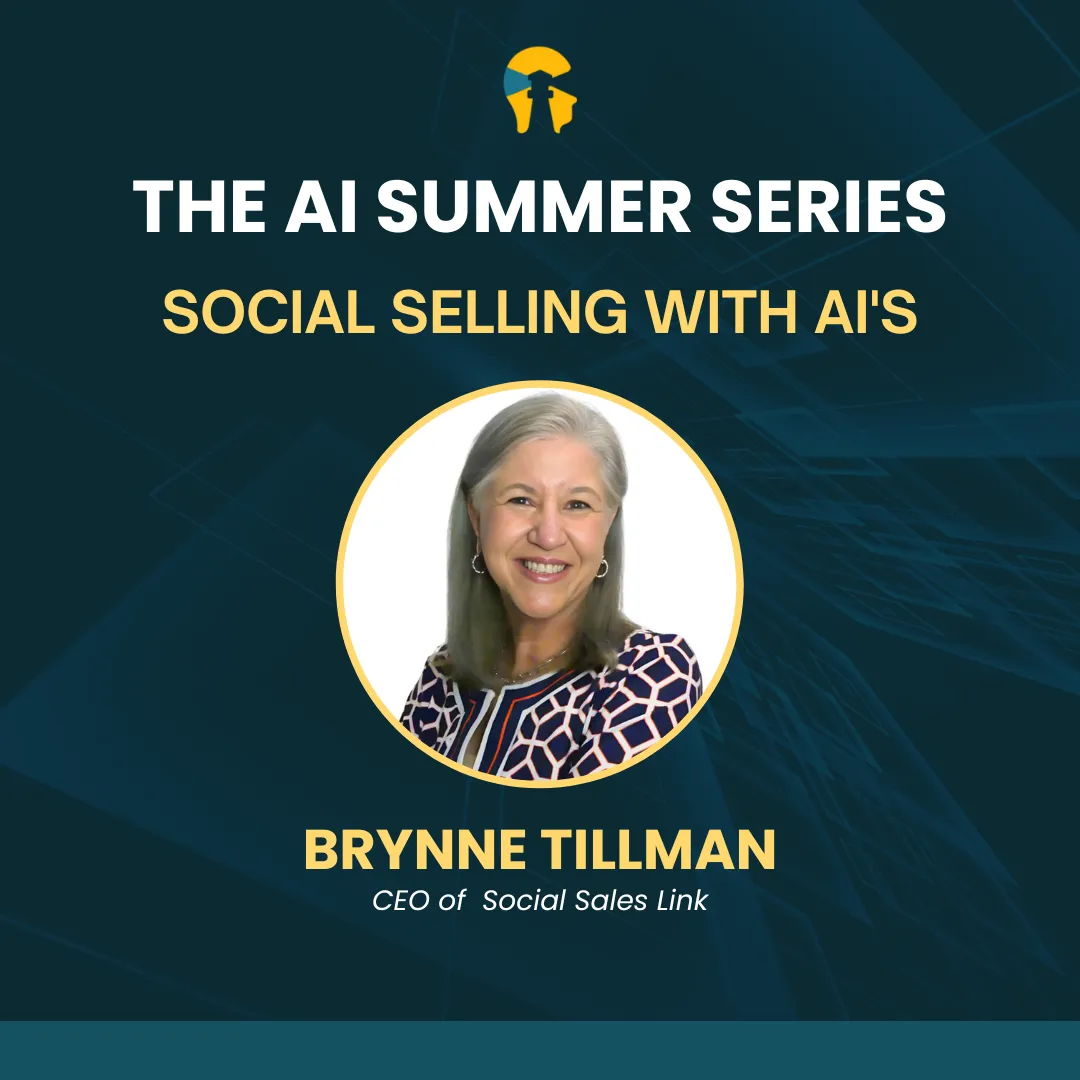
Week Two Speakers: (released 9 February 2026)
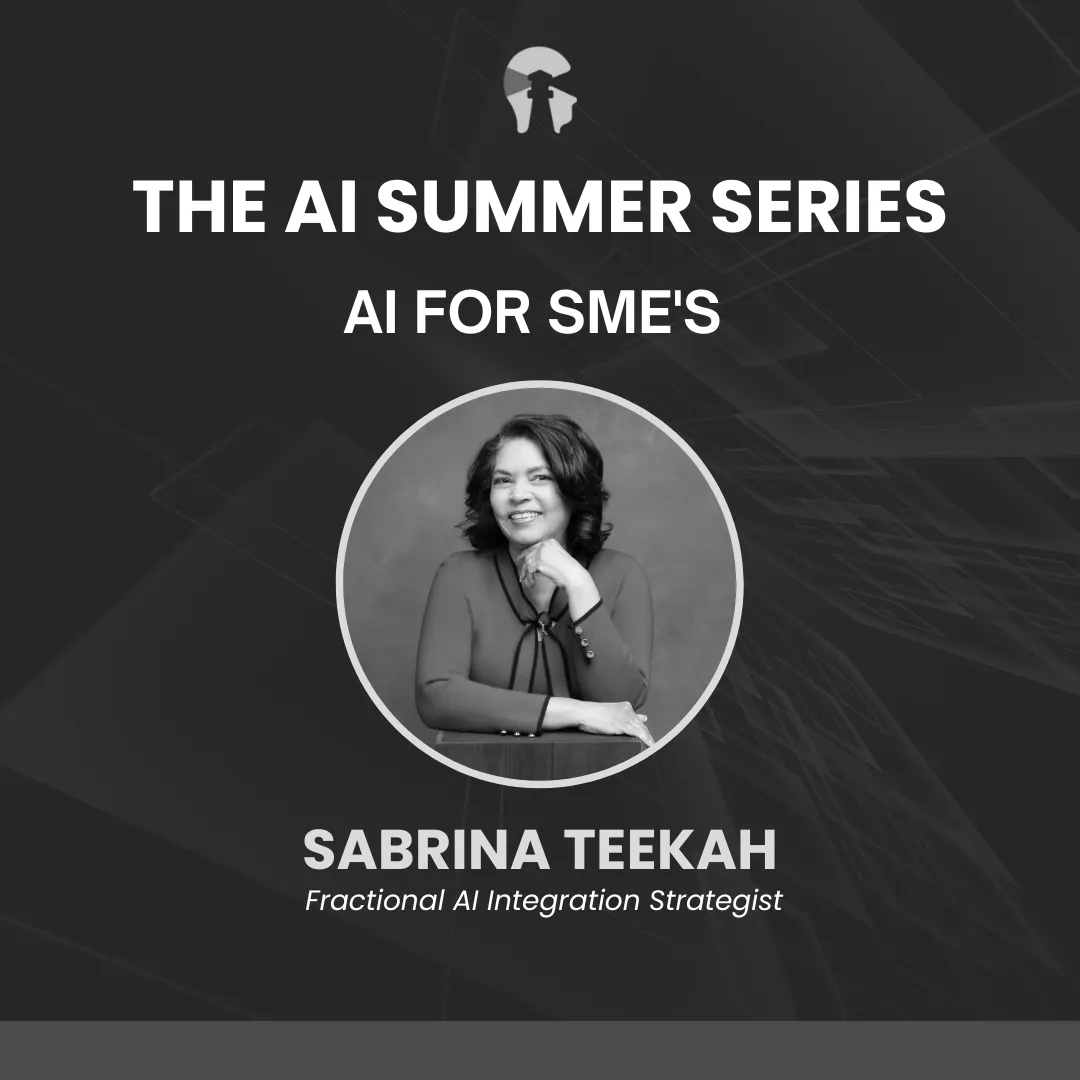
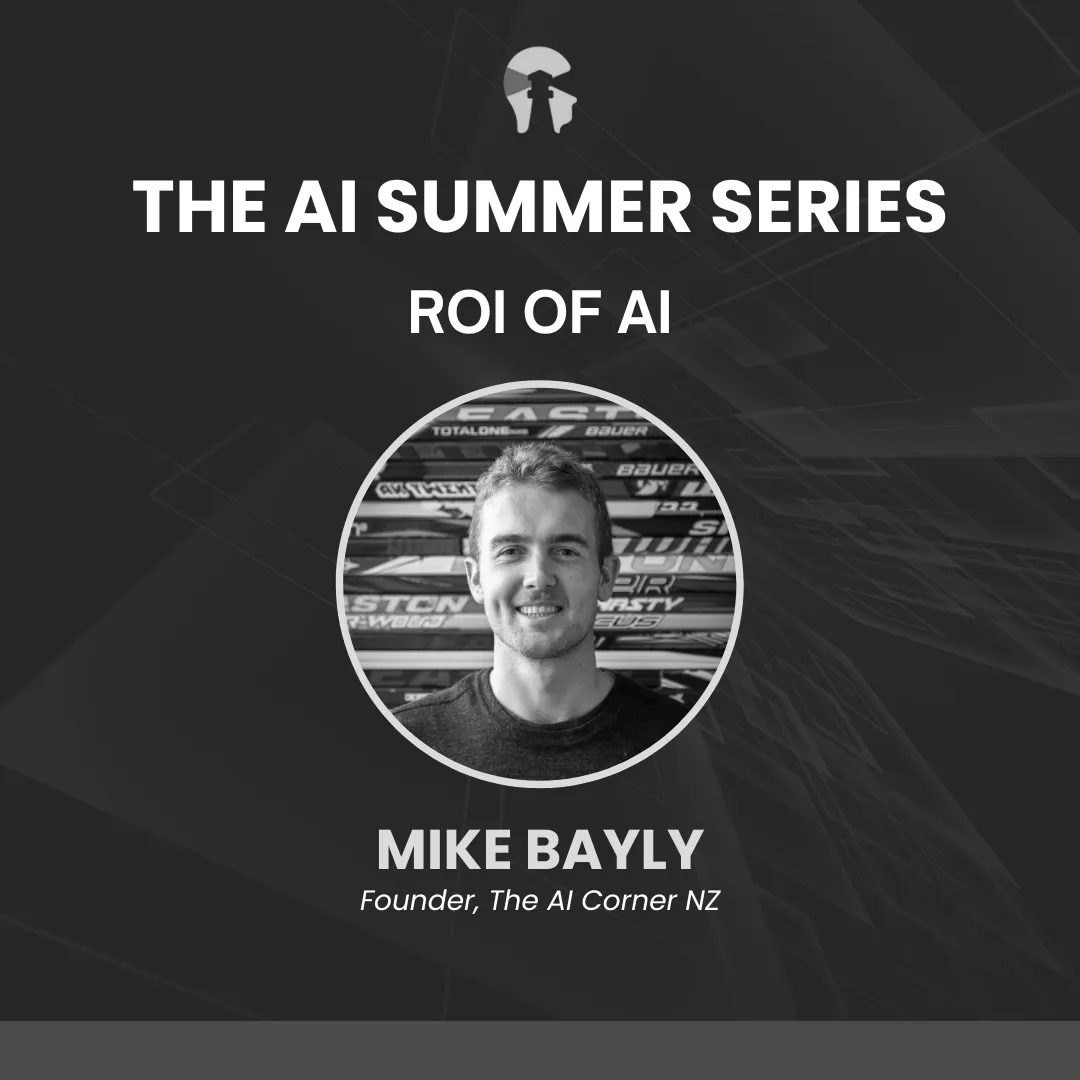

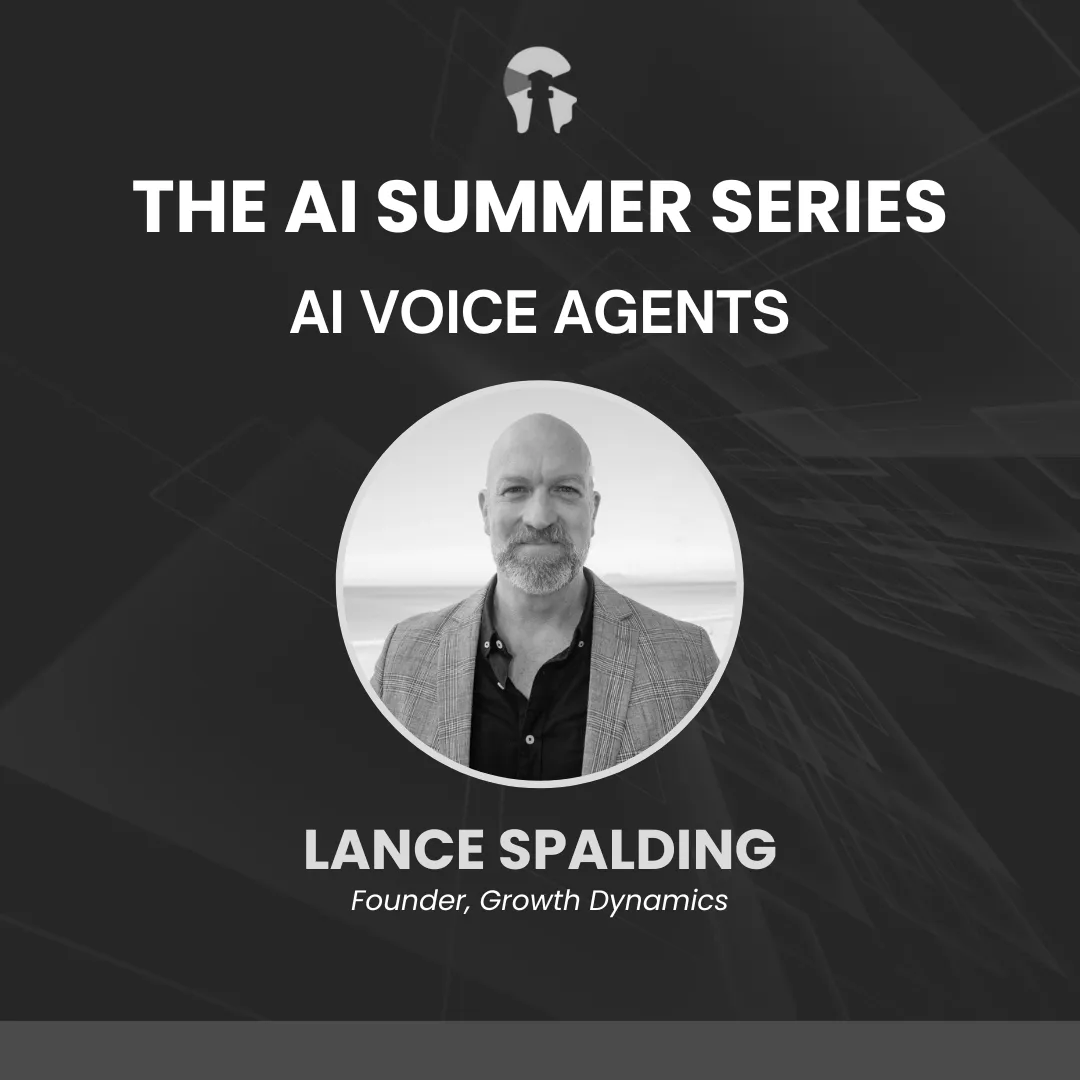
Week Three Speakers: (release 16 February 2026)
Week Four Speakers: (release 23 February 2026)