AI Summer Series
Clear thinking for leaders navigating AI and business growth.
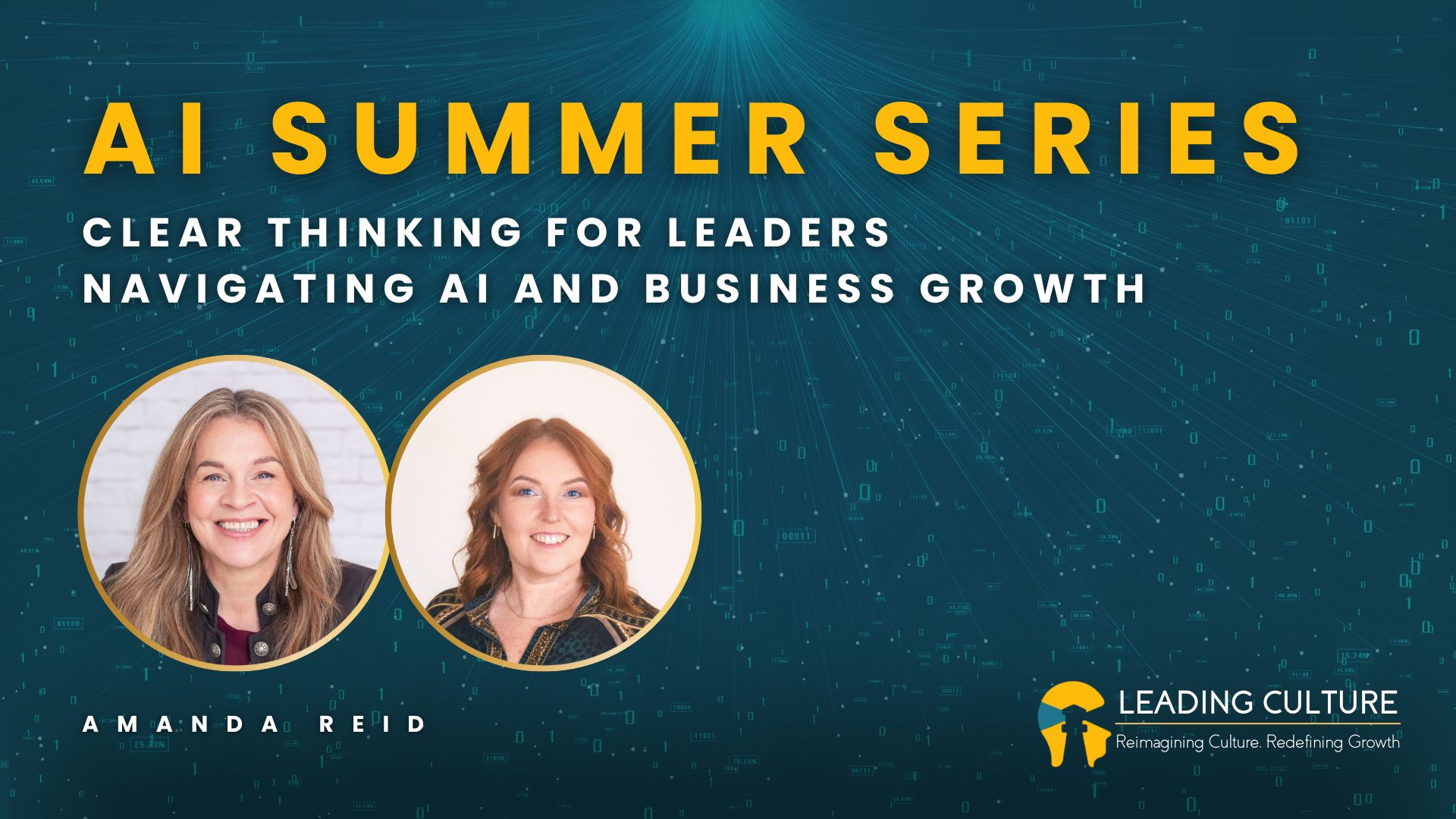

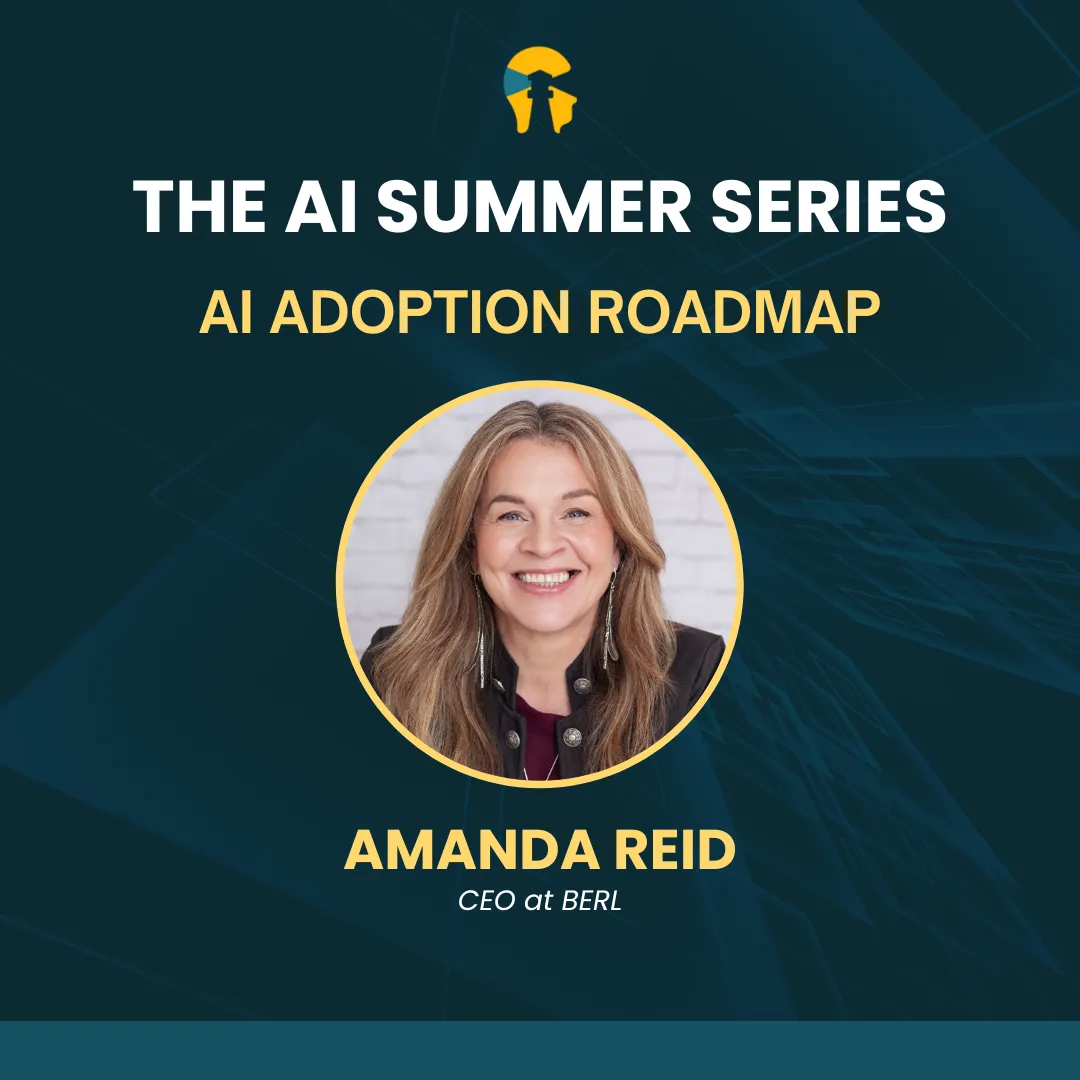
Amanda Reid
CEO at BERL

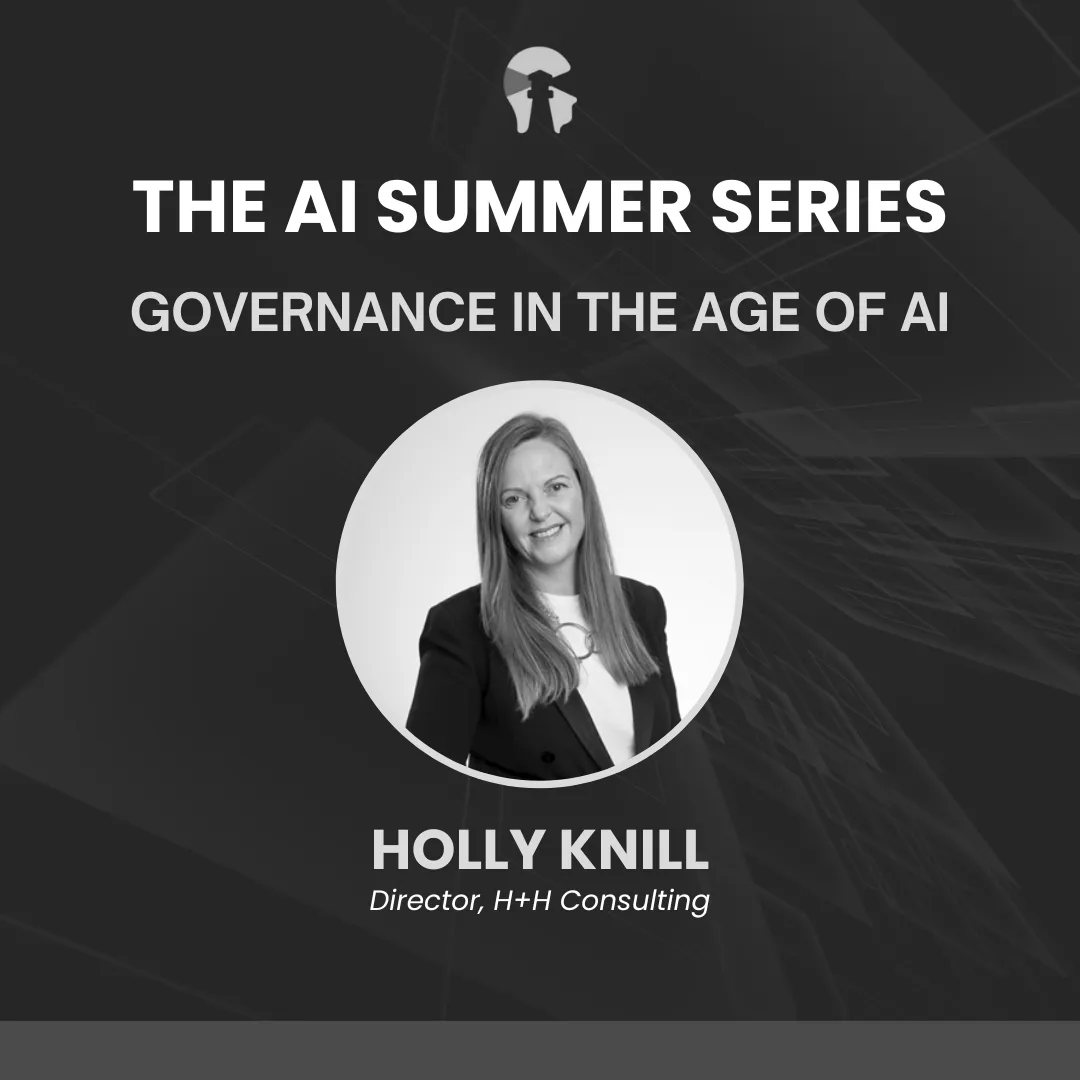
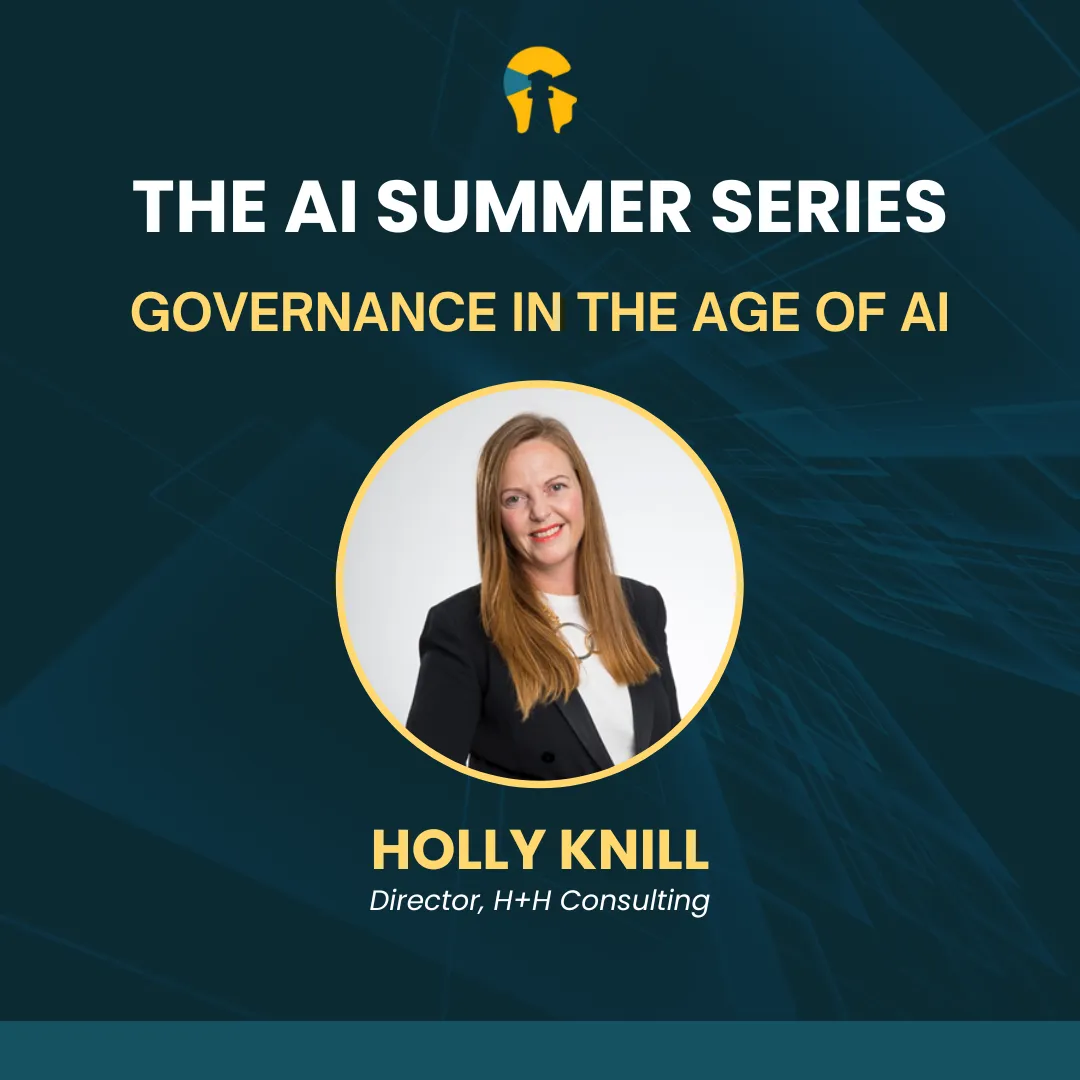
HOLLY KNILL
Director, H+H Consulting
Holly returned to New Zealand in 2021 to steer one of its telcos, 2degrees, back to profitability and to an IPO or sale as its Chief Consumer Officer. She is an executive leader, board director and investor with 20 years' experience in taking advantage of technological change in product development and strategy while driving revenue and customer growth at companies including Sky UK (where she launched the original Sky Go), Joost, 2degrees, twofour54 Abu Dhabi, TVNZ, Foxtel and Seven West Media. She has also worked on large international strategy projects in Telecommunications, SaaS and Media sectors with Accenture and McKinsey in Europe and Australia.
Holly is a certified Director through the Australian Institute of Company Directors. In New Zealand and the U.K. she works with companies and advises boards on improving growth with a focus on company strategy, technology and performance; using AI to leapfrog legacy systems and super-charge strategy, stepping beyond automation (improving efficiency) and into decision-capable AI (improving opportunities). This has formed the backbone of her recently completed master’s research which investigates how the adoption of AI within NZ’s businesses can stimulate business growth and improve national productivity, thereby increasing income levels and standards of living for all.
Holly is active in the community as part of the World Class New Zealand network, a Mentor for MentorWalks, a school board member and a Facilitator for the Springboard Trust’s strategic leadership for Principals programme, helping to improve the delivery of primary education across the country.
Contact: +64 (0)22 007 0000
💡Key Takeaways from Holly's Interview
AI as a General-Purpose Strategic Tool
• Not Just for IT: Unlike previous technologies that entered businesses through the CTO or CIO, AI can be adopted by anyone in seconds. Holly suggests that AI responsibility should sit with the CEO, CFO, or Chief Revenue Officer because it is a transformative general-purpose technology.
• Integrating Strategy: There is no need for a separate "AI strategy." Instead, AI should be a tool used to deliver the existing business strategy.
• Broad but Shallow Use: Currently, while many people are using AI "by stealth," the depth of its use in business remains shallow because organizations are not measuring its impact or translating it into value creation.
Overcoming "Scar Tissue" and Inertia
• The Weight of Past Failures: Many leaders suffer from "scar tissue" due to past digital transformations that failed to deliver promised benefits on time or at cost. This has led to risk aversion, conservatism, and an inability to make decisions.
• Boardroom Priorities: Boards often relegate technology to the end of the agenda, despite it typically being the second-largest expense after people. Holly argues that technology discussions should be moved up to inform all other business decisions.
The Productivity and Value Imperative
• Addressing Declining Productivity: New Zealand has faced a 50-year productivity decline. AI is presented as the most affordable and accessible lever to reverse this trend.
• Value Creation vs. Efficiency: Organizations should avoid using AI solely for "efficiency" (e.g., staff redundancies). Instead, they should use AI to "buy back time" for employees, empowering them to generate more revenue and value.
• Benchmark for Success: Boards must benchmark AI use from the start and measure outcomes in terms of both efficiency gains and value generated.
Governance, Risk, and the Danger of Inaction
• Data Governance is Essential: While a separate AI strategy isn't needed, a strong data governance platform is critical to mitigate risks regarding data usage and protection.
• The Risk of Doing Nothing: Holly asserts that the biggest risk a director can take is doing nothing and allowing the business to "drift". Directors could potentially face liability for what they were unwilling to discuss or argue about regarding technology.
Practical Starting Points for Boards
• Hands-on Engagement: Directors should personally start using AI products.
• Querying Board Materials: A practical first step is using AI to analyse board reports to identify missing questions, decipher measurement criteria, or find ways to generate more revenue.
• Digital Twins: Some organizations are creating "digital twins" of their boards to critique submission papers and ensure they are on point.


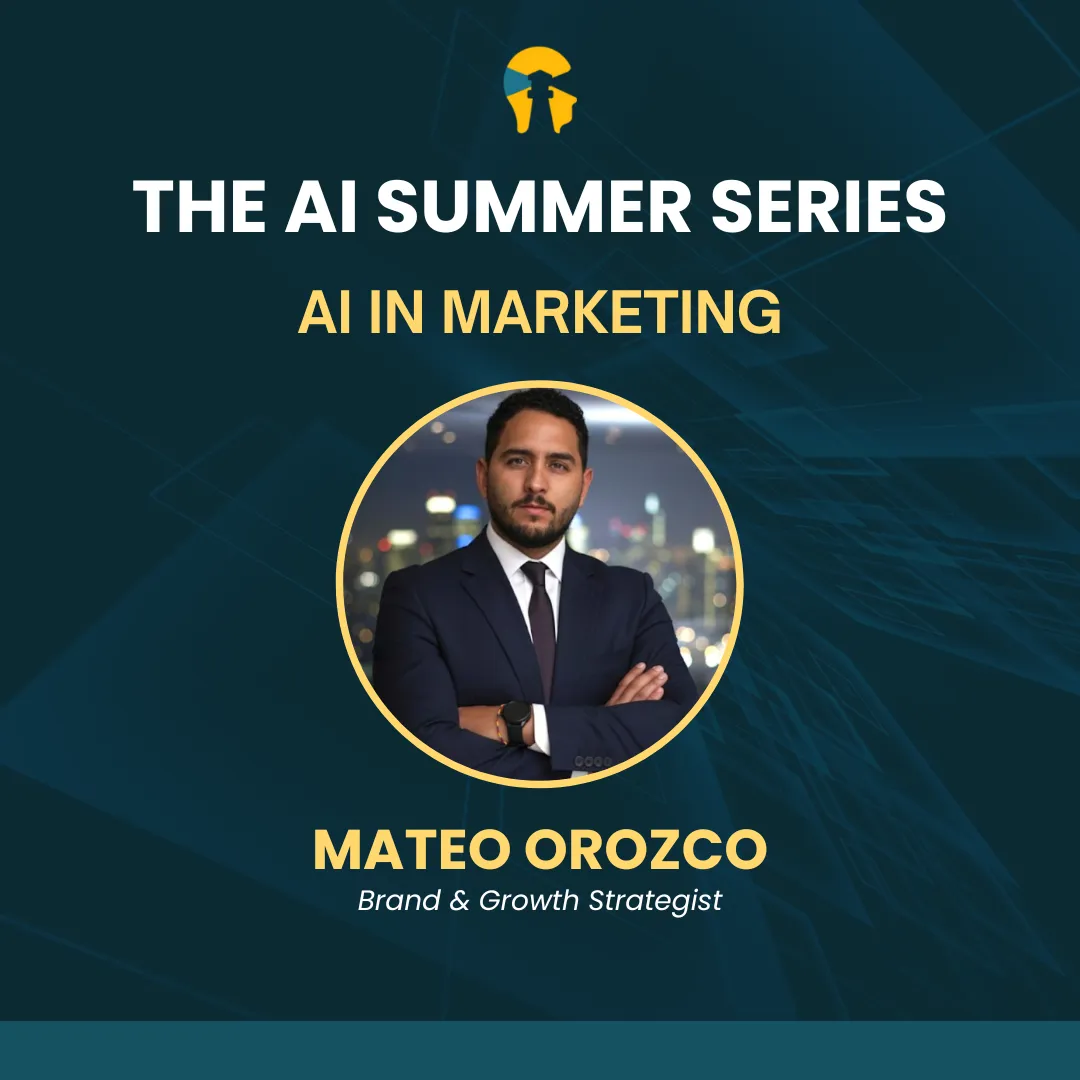
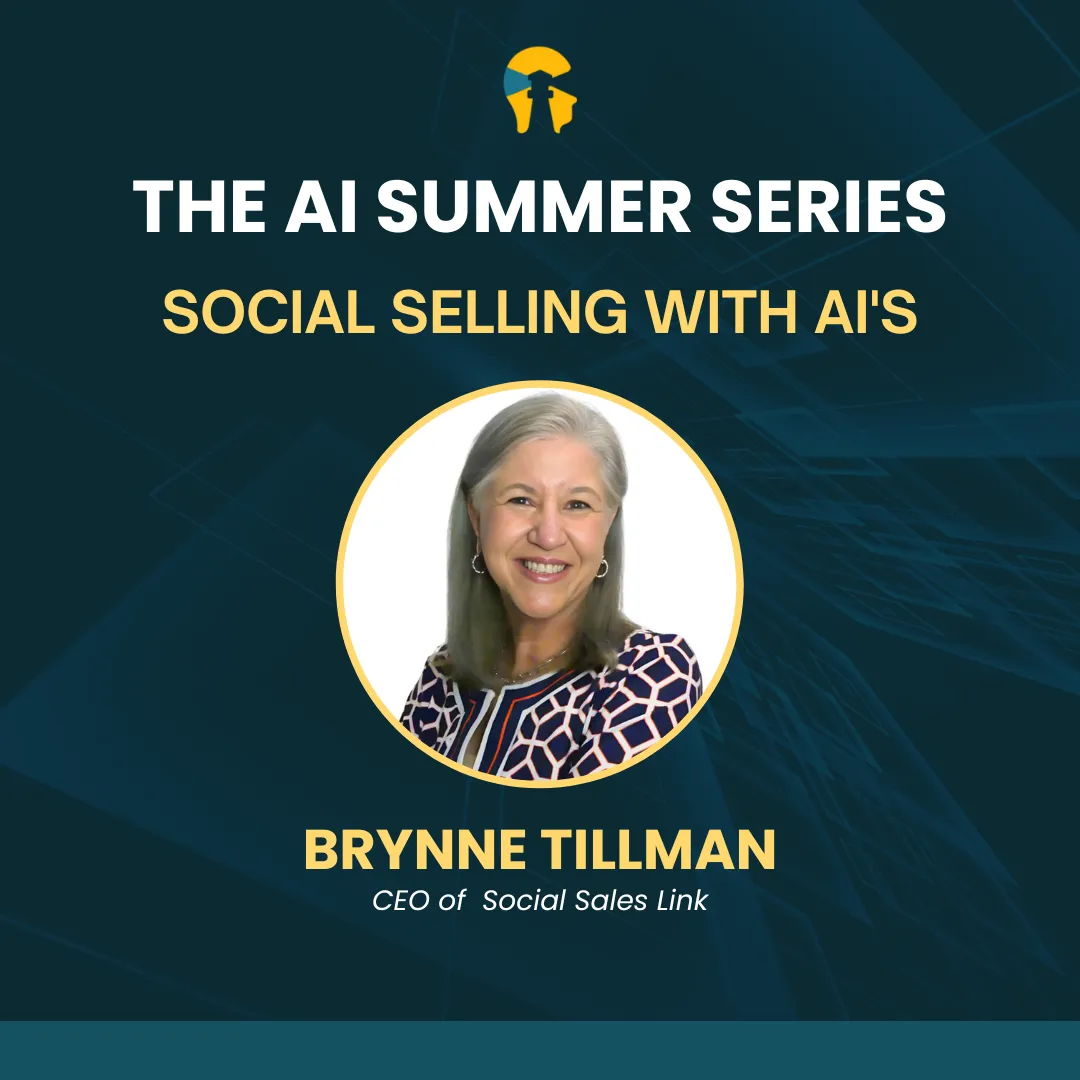
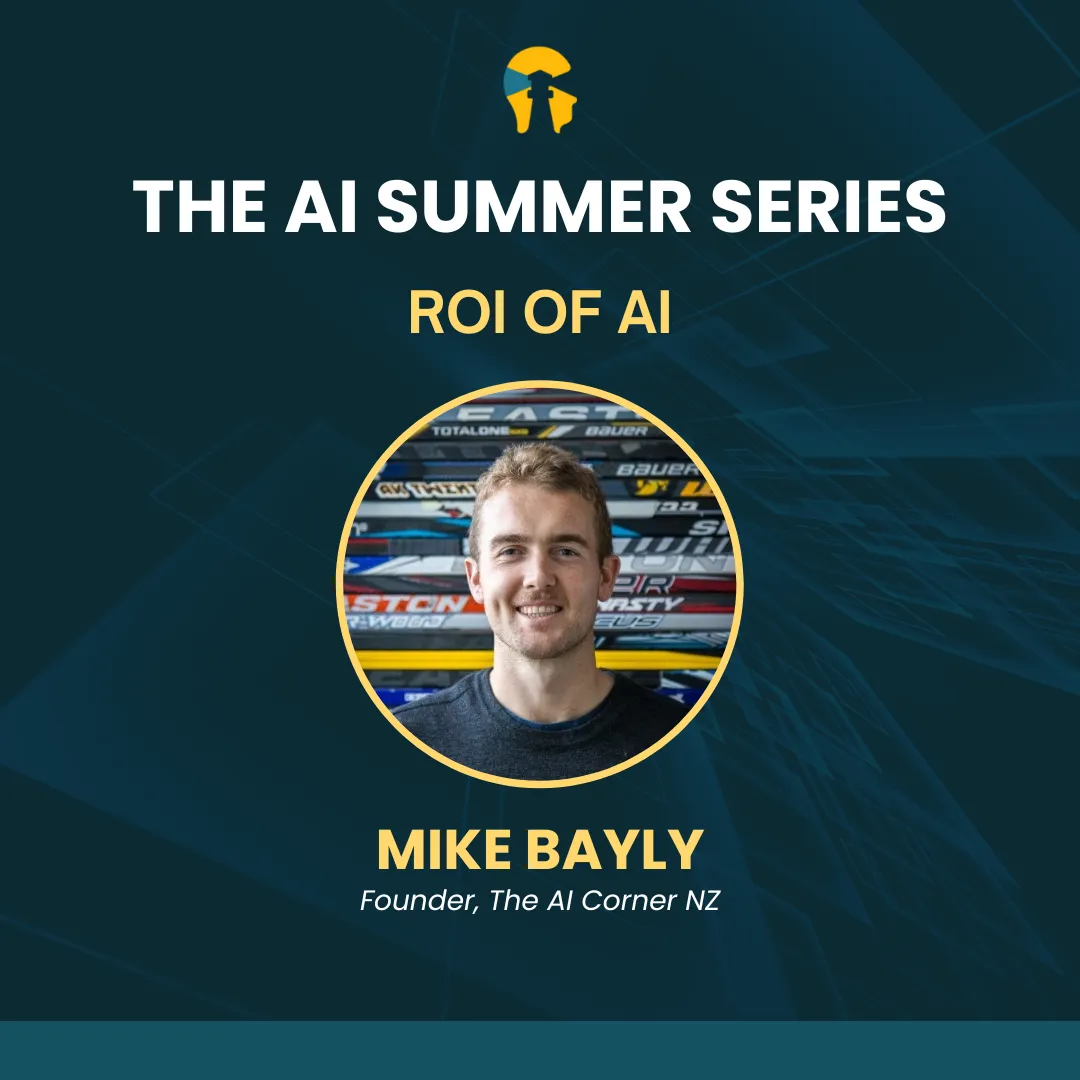
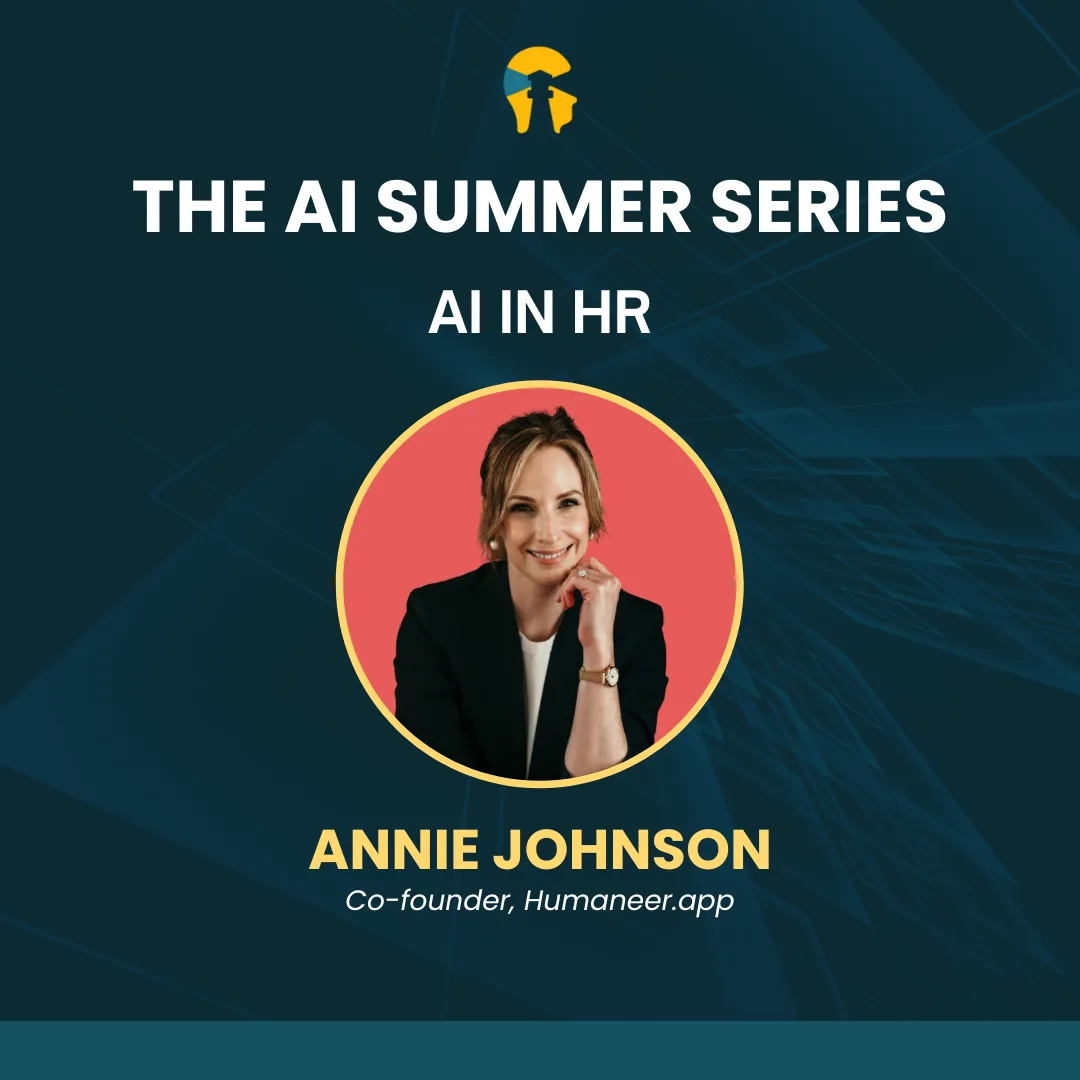
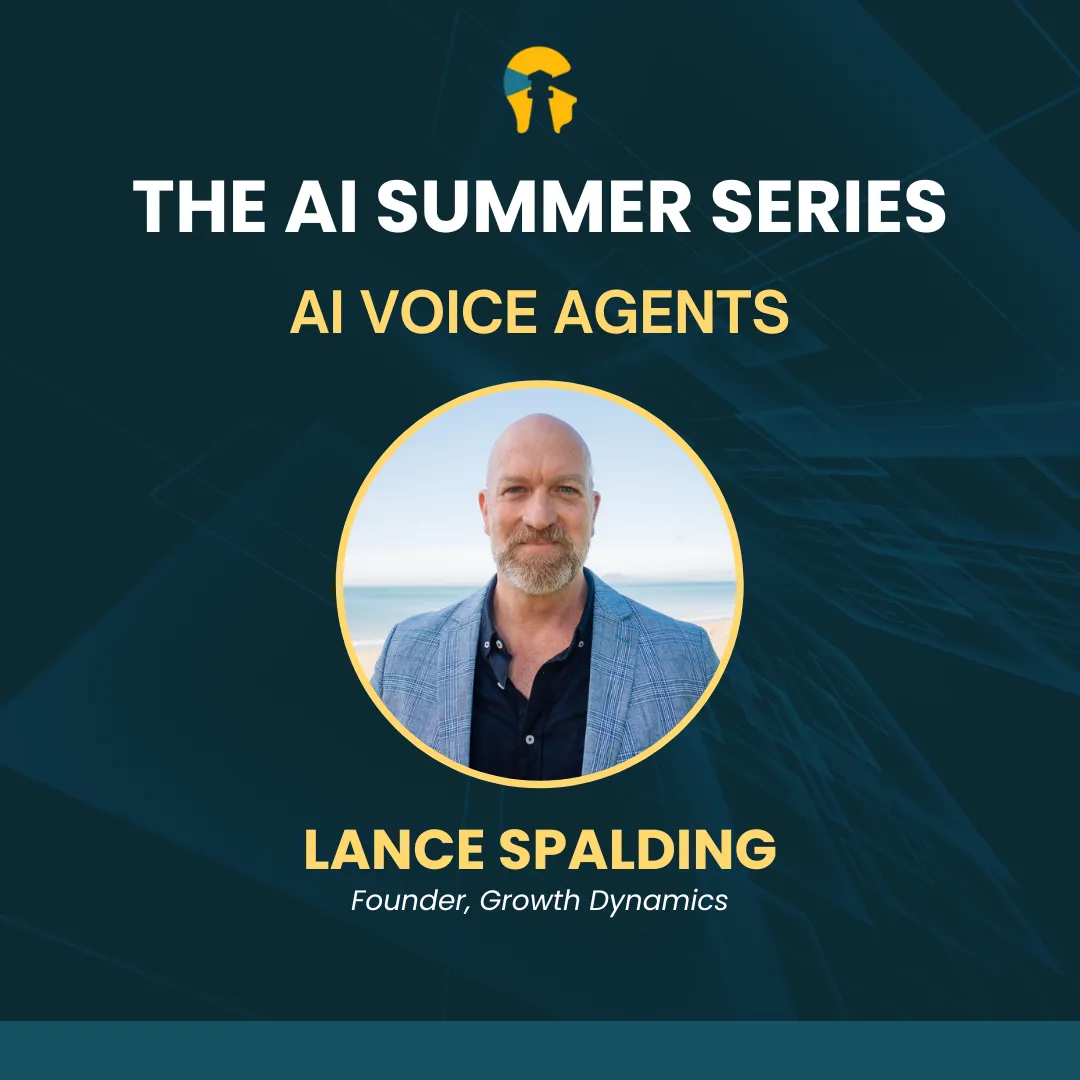
Week One Speakers: (click the image to watch the interview)
Week Two Speakers: (released 9 February 2026)

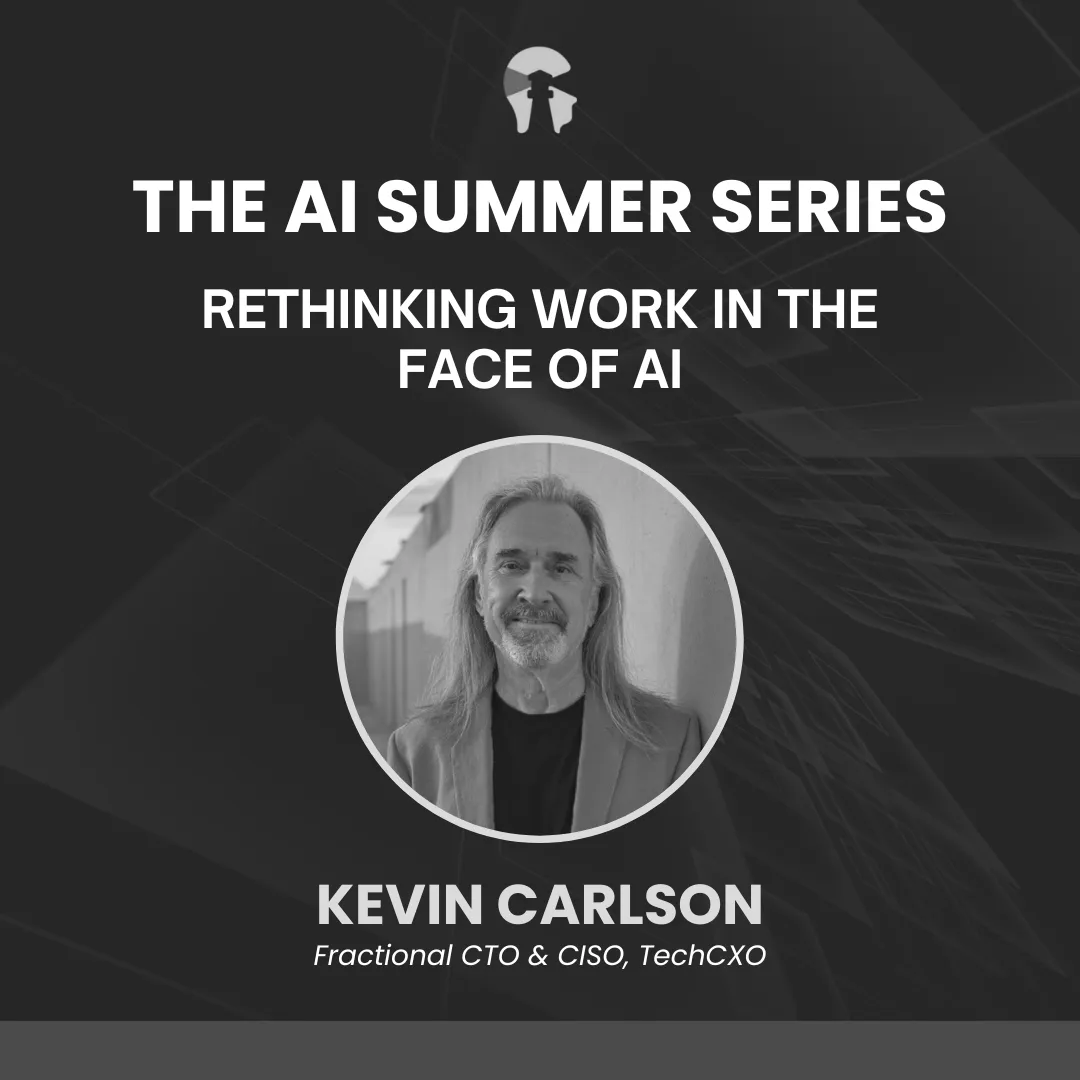
Week Three Speakers: (release 16 February 2026)
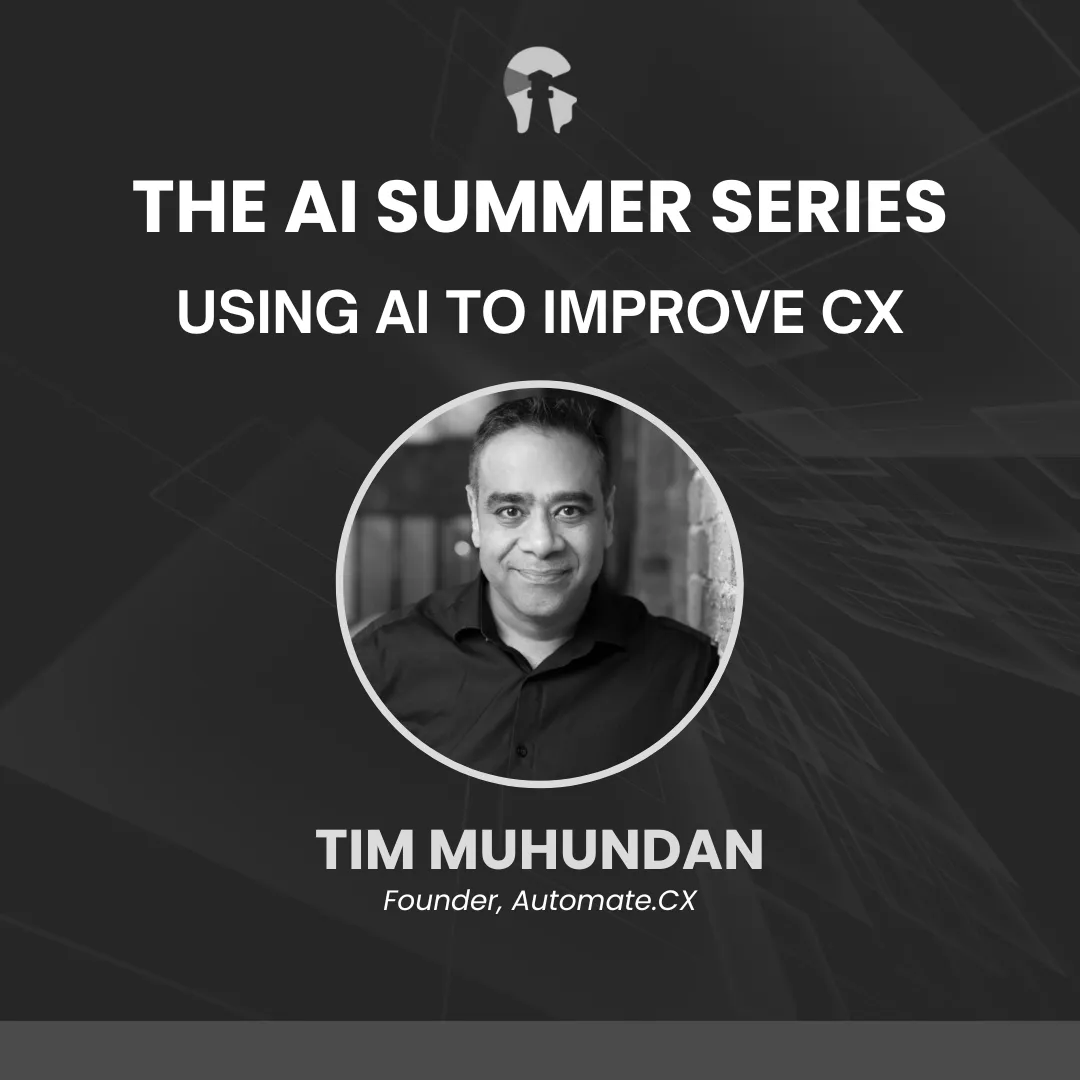
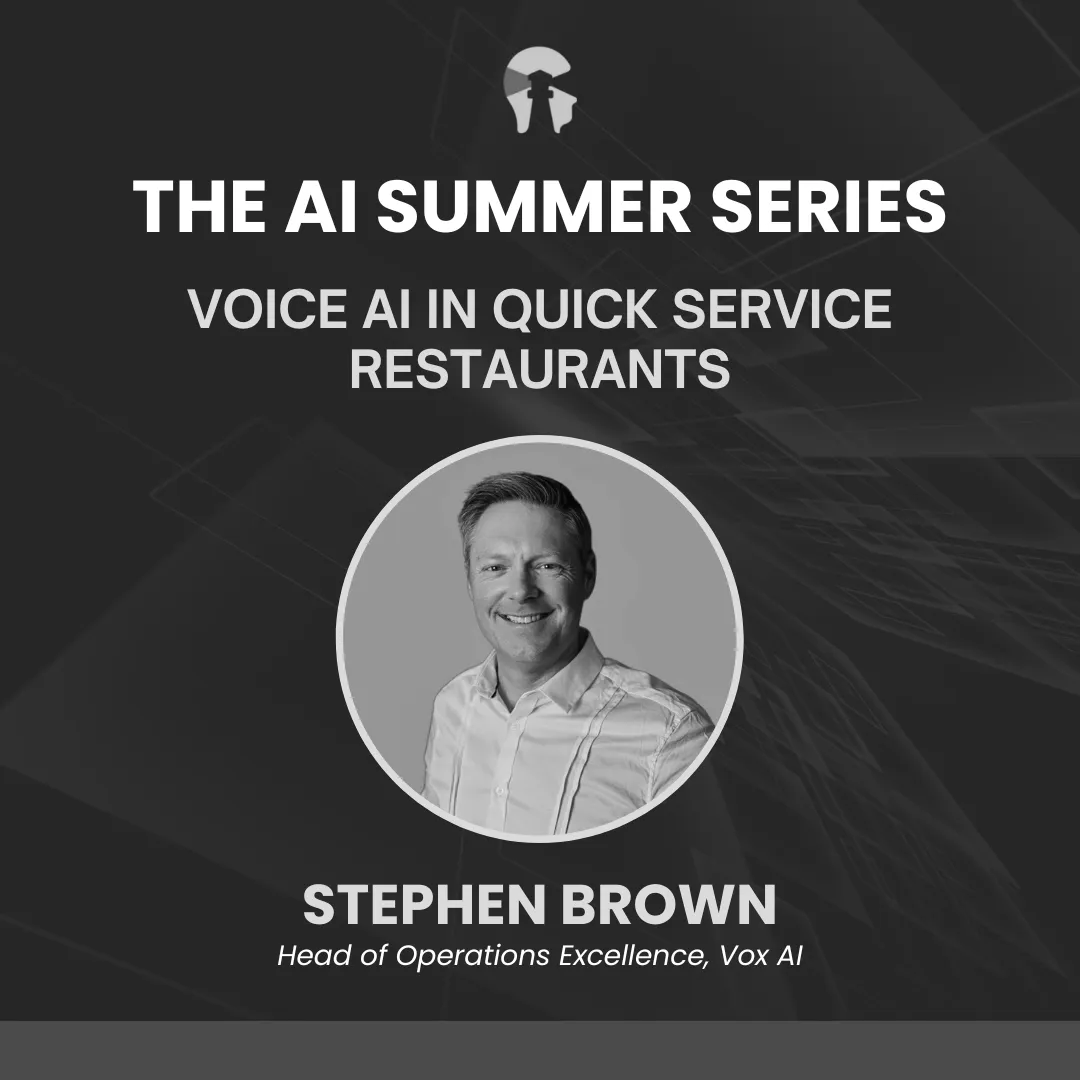
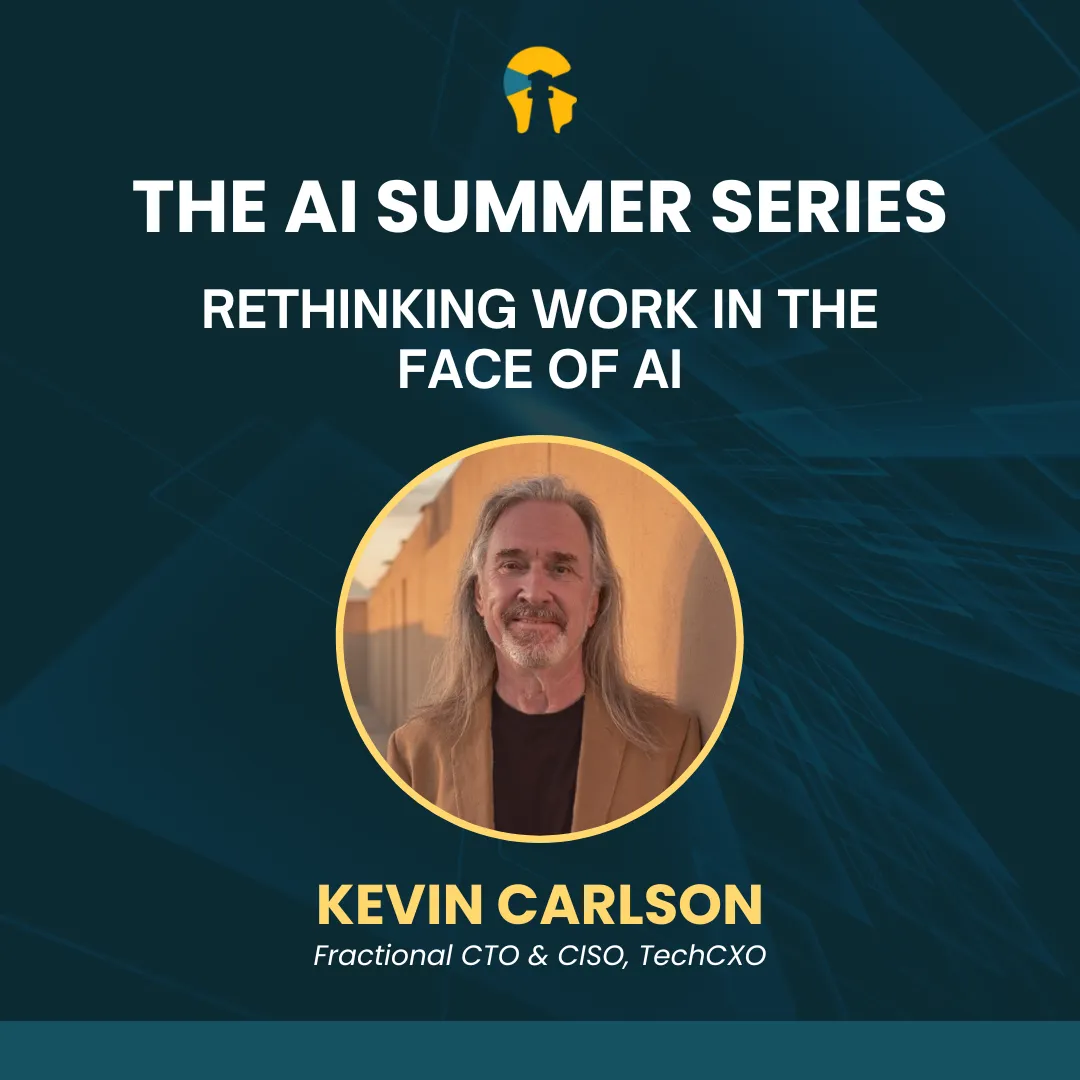
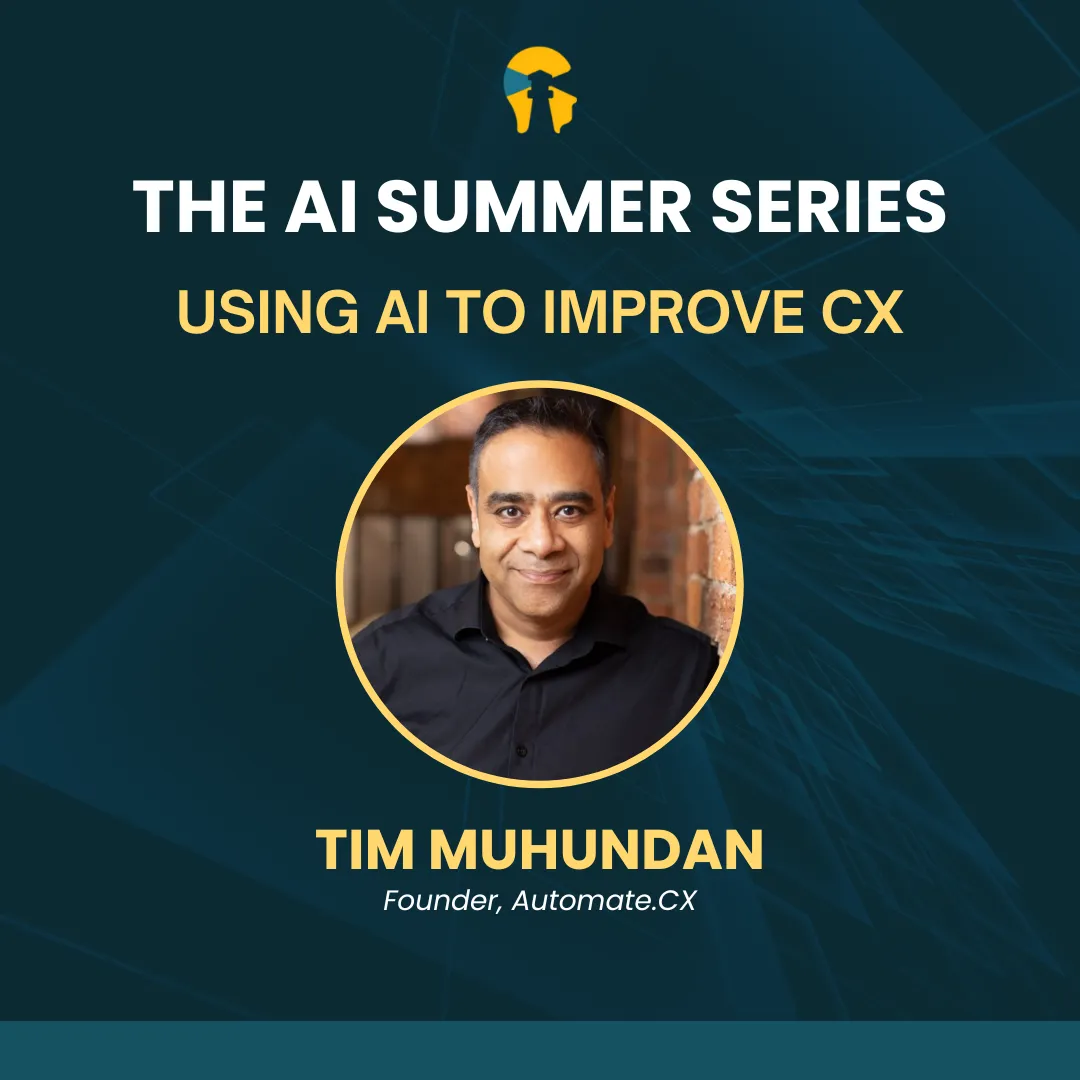
Week Four Speakers: (release 23 February 2026)