AI Summer Series
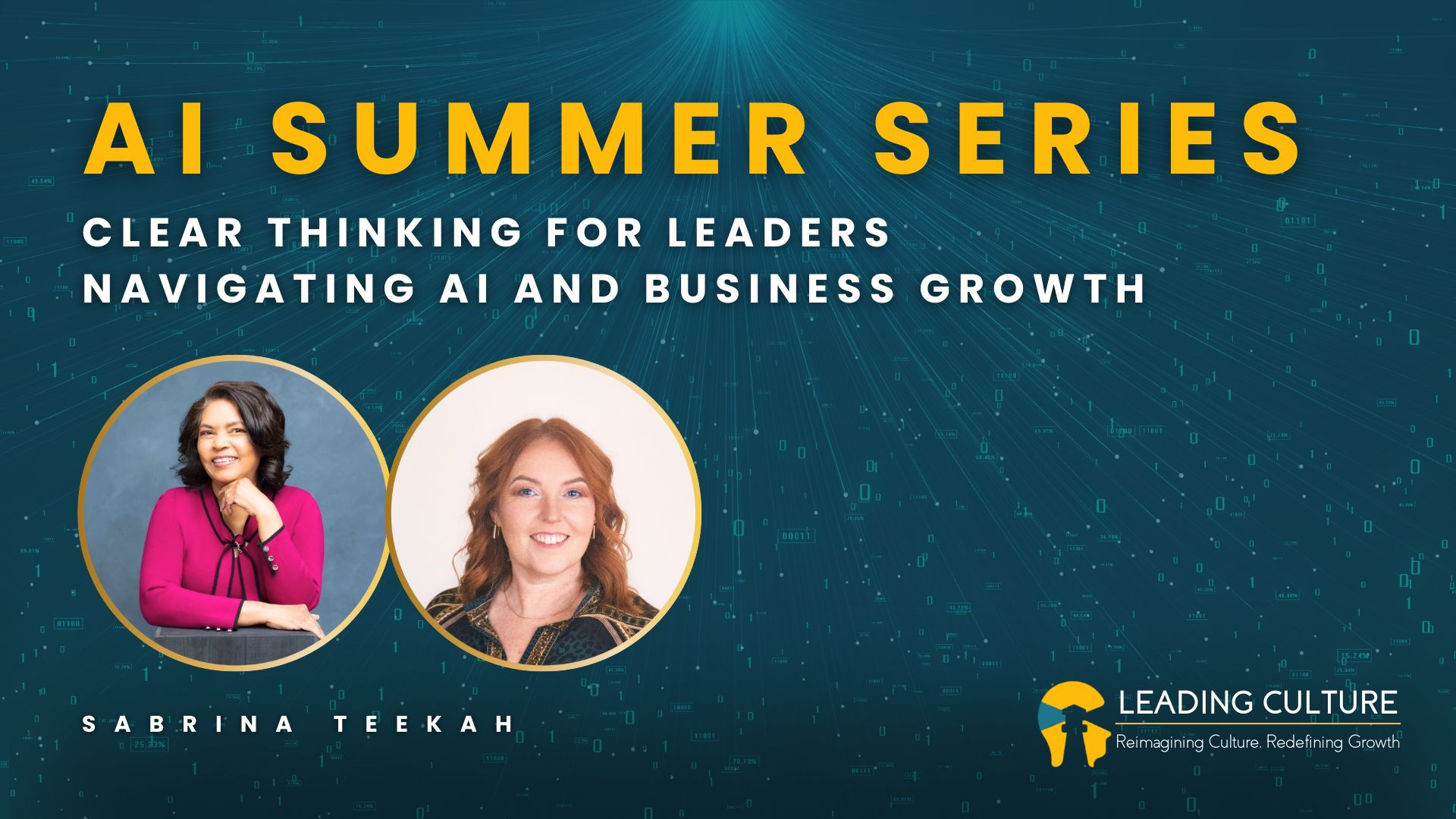
Clear thinking for leaders navigating AI and business growth.
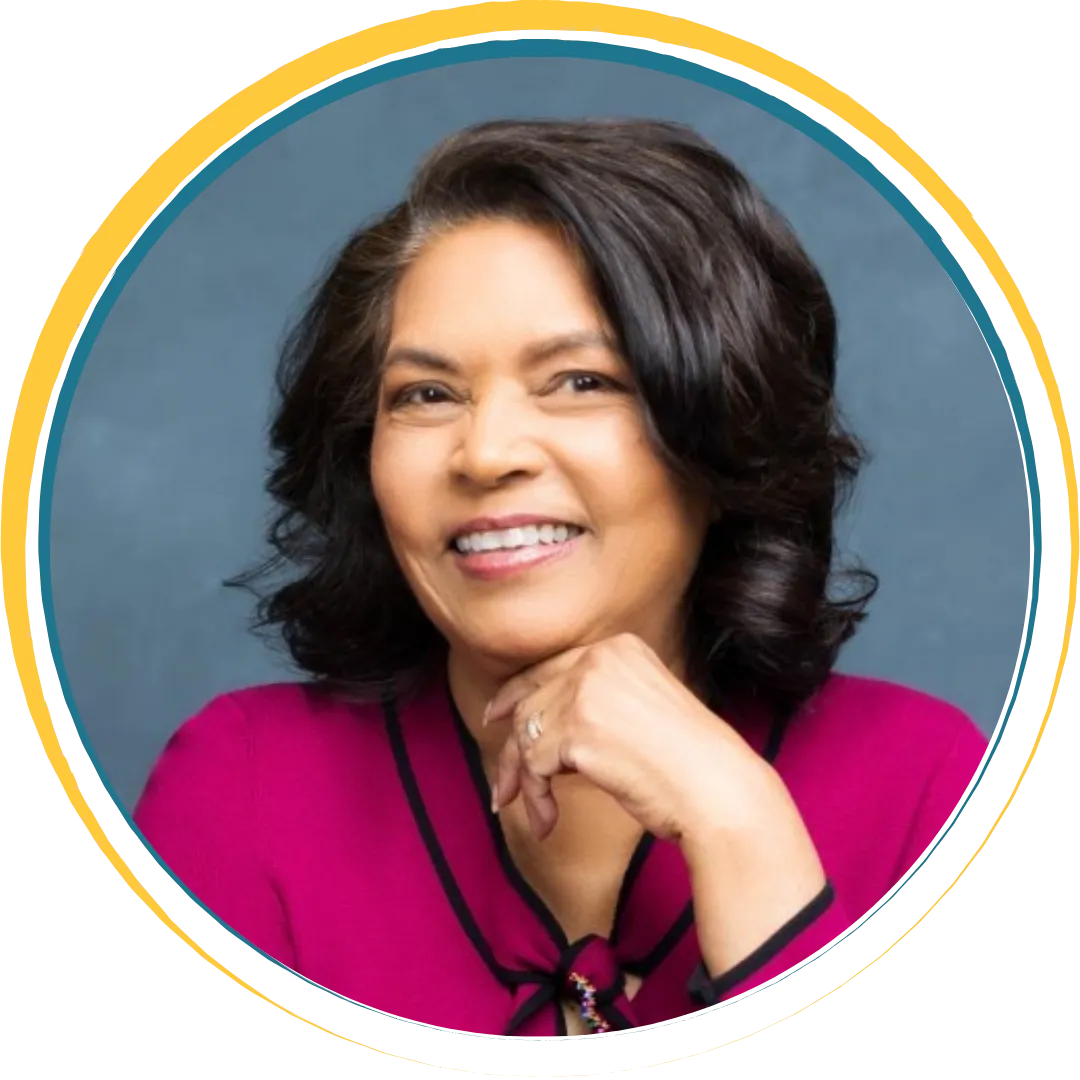
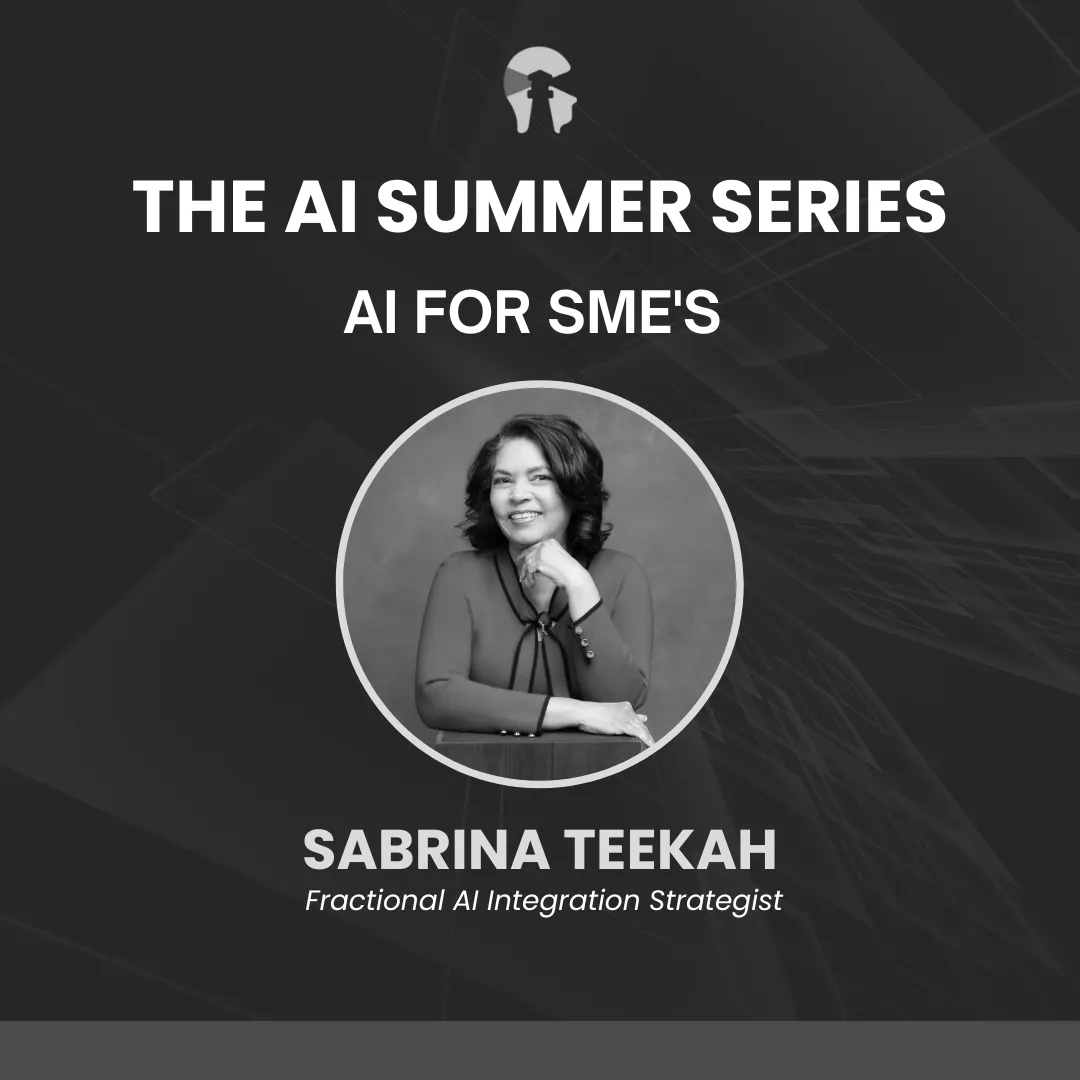
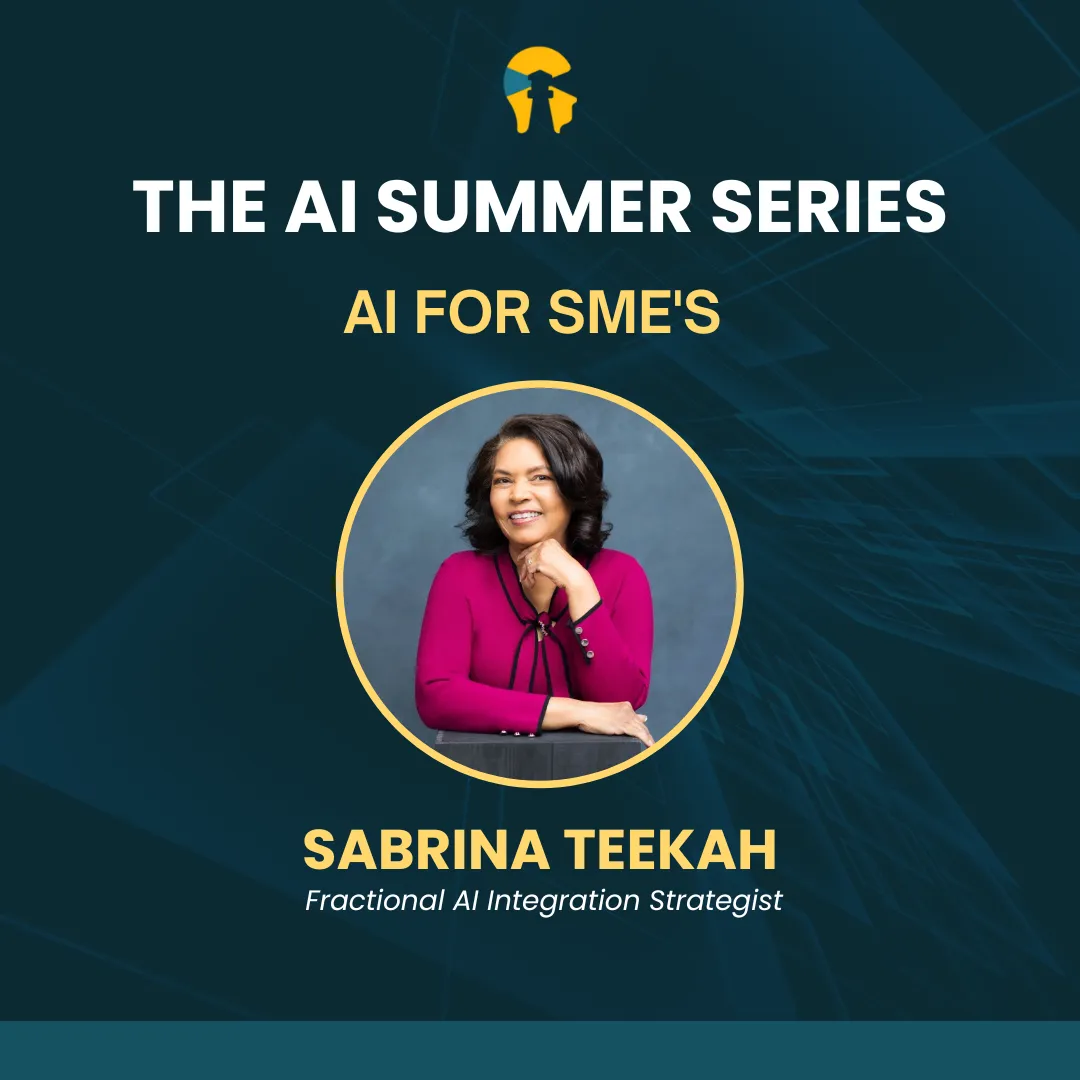
SABRINA TEEKAH
Fractional AI Integration Strategist
Sabrina T. is a Fractional AI Integration Strategist who helps small businesses (5-15 employees) adopt AI without the chaos. With 17 years of enterprise software development and over 10,000 hours immersed in AI—teaching, consulting, building workshops, and speaking to organizations—she takes a workflow-first approach: understanding how your business actually operates before recommending a single tool. No hype. No "magic button" promises. Just strategic integration that fits how your team already works.
💡Key Takeaways
Strategic Approach to AI Adoption
• Focus on Pain Points, Not Just Inefficiencies: Sabrina identifies tasks that take a long time or are repetitive. By mapping out the "current state" of a process, she helps leaders see inefficiencies themselves, which builds buy-in for a "proposed state" solution.
• Prioritize Low-Risk "Quick Wins": She recommends starting with simple, less complicated tasks to build employee confidence and excitement rather than fear of job replacement.
• Human in the Loop: Sabrina emphasizes that while AI can automate tasks and research, there must always be human verification. She views AI as a "digital employee" that still requires management and work-checking.
Operational Tips for Business Leaders
• Prevent "Shadow AI": To ensure the company owns the intellectual property (IP), leaders should have employees set up accounts using company emails rather than personal ones.
• The AI Lab Concept: For companies with highly confidential data, she suggests setting up a dedicated, standalone "AI lab" computer that is not connected to the company server, giving employees a safe space to experiment.
• Security and Privacy: While modern tools allow users to toggle off data training in settings, Sabrina warns that sharing chat URLs makes that information searchable by Google.
Understanding and Using AI Tools
• Core Tools: Her preferred tools are ChatGPT, Claude, and NotebookLM. She avoids "Custom GPTs" or layered tools because she believes it is more valuable for a client to learn how to "dissect their own thinking" and talk to the tool directly rather than using someone else's "brain power".
• Moments vs. Workflows: She categorizes AI use into three pillars:
◦ Moments: Single, quick interactions (e.g., getting a talking point before a meeting).
◦ Tasks: Specific actions like an email campaign.
◦ Workflows: A string of tasks that can eventually be automated into "agents".
• The Nature of LLMs: Sabrina explains that Large Language Models (LLMs) are mathematical equations of probability, not search engines. Because they are "programmed to make you feel good," she advises users to "push back" and have "digital fights" with the AI to get more factual, serious results.
The Future of Human Expertise
Sabrina argues that professional expertise is more valuable than ever. While AI can find research, it lacks the domain knowledge and nuanced understanding of specific client needs. She encourages professionals to be "louder" about their unique value, as AI is a tool to assist, not a replacement for high-level expertise.

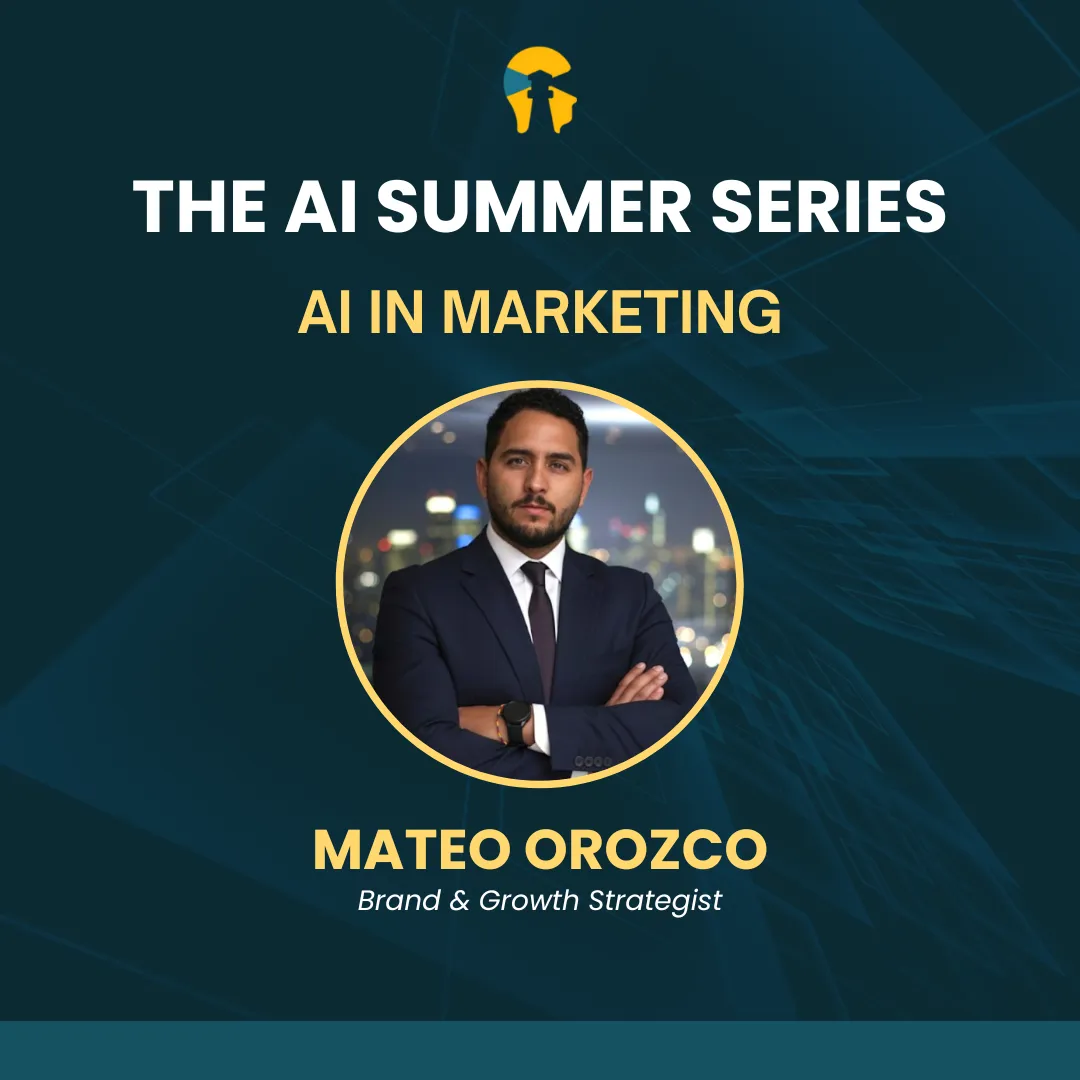
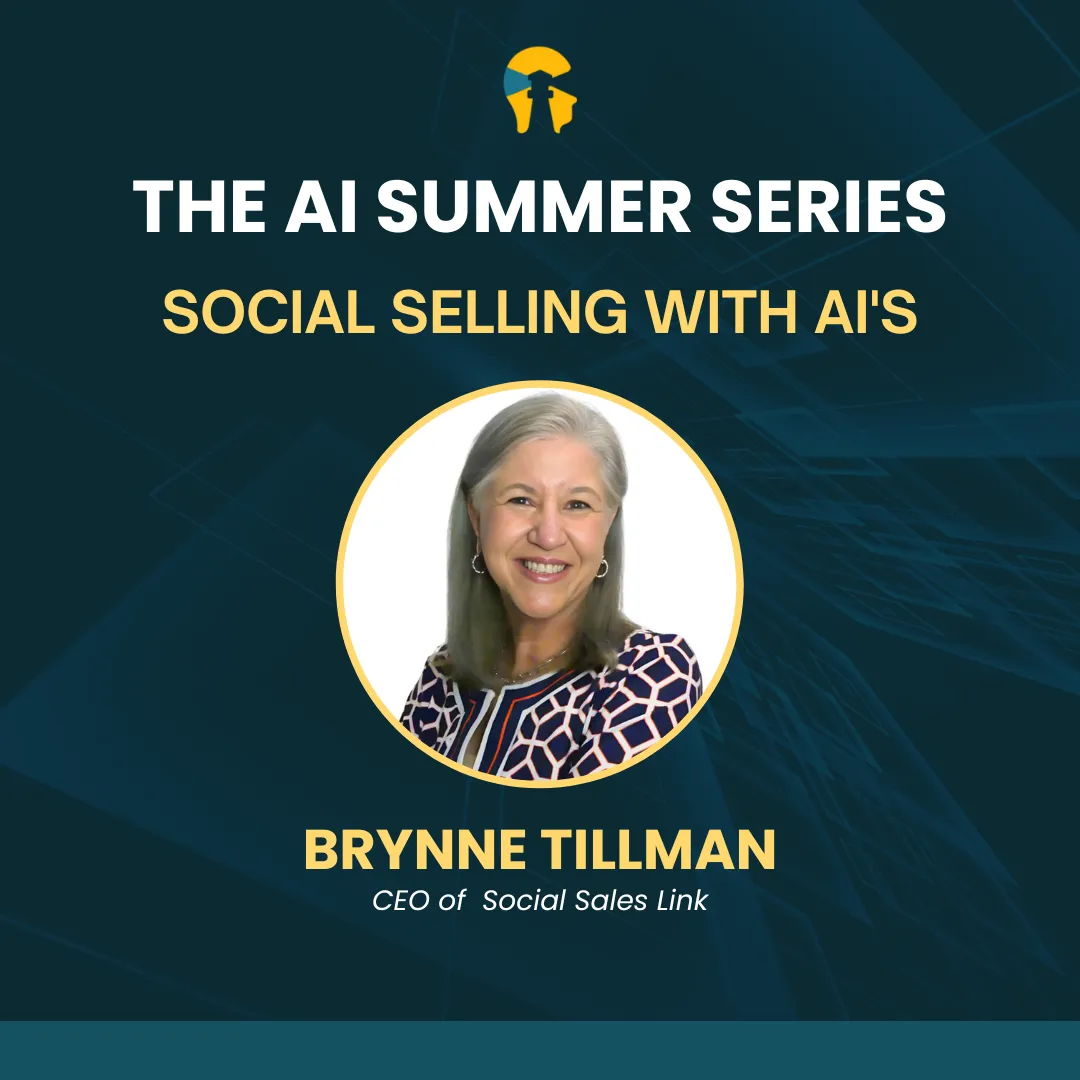
Week One Speakers: (click the image to watch the interview)
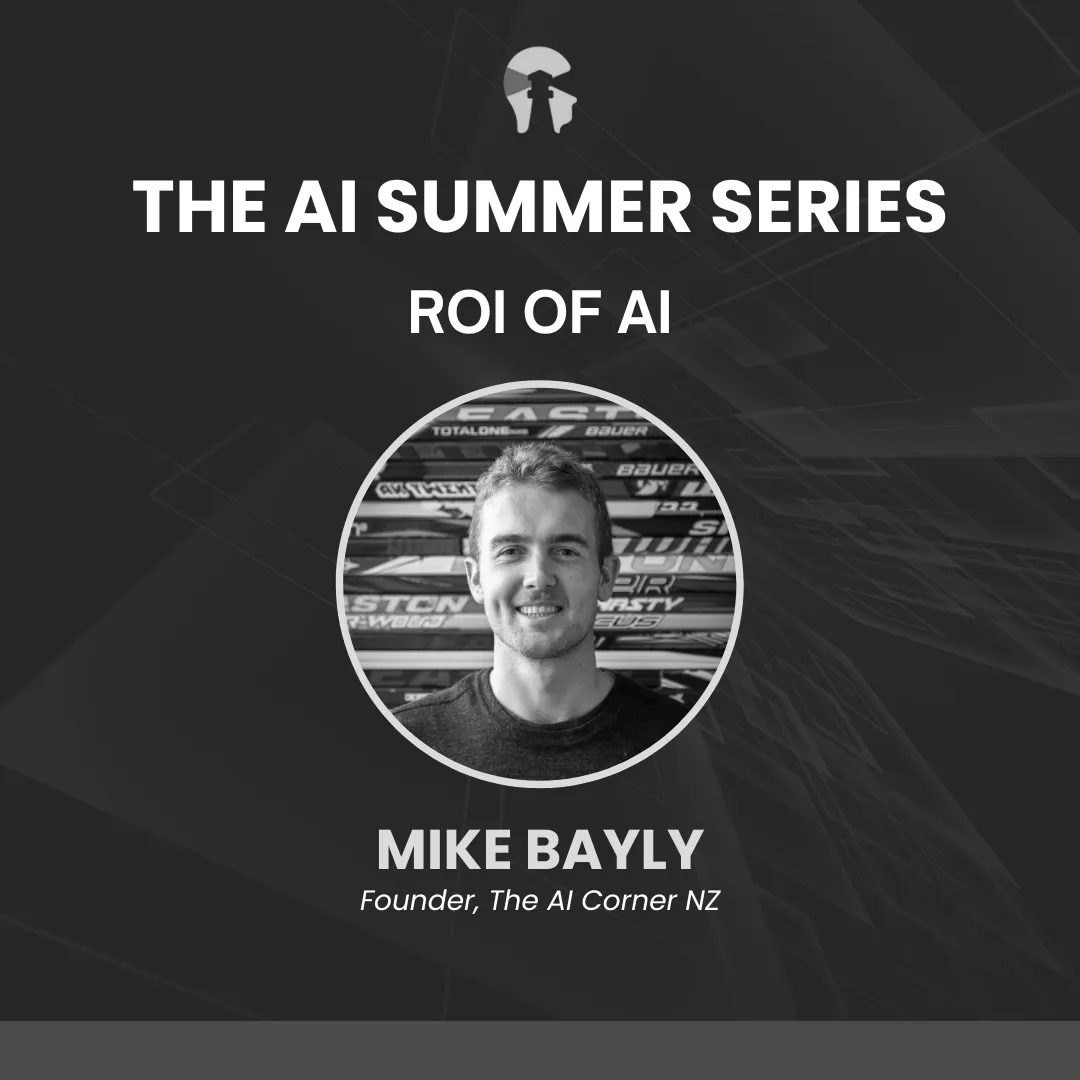
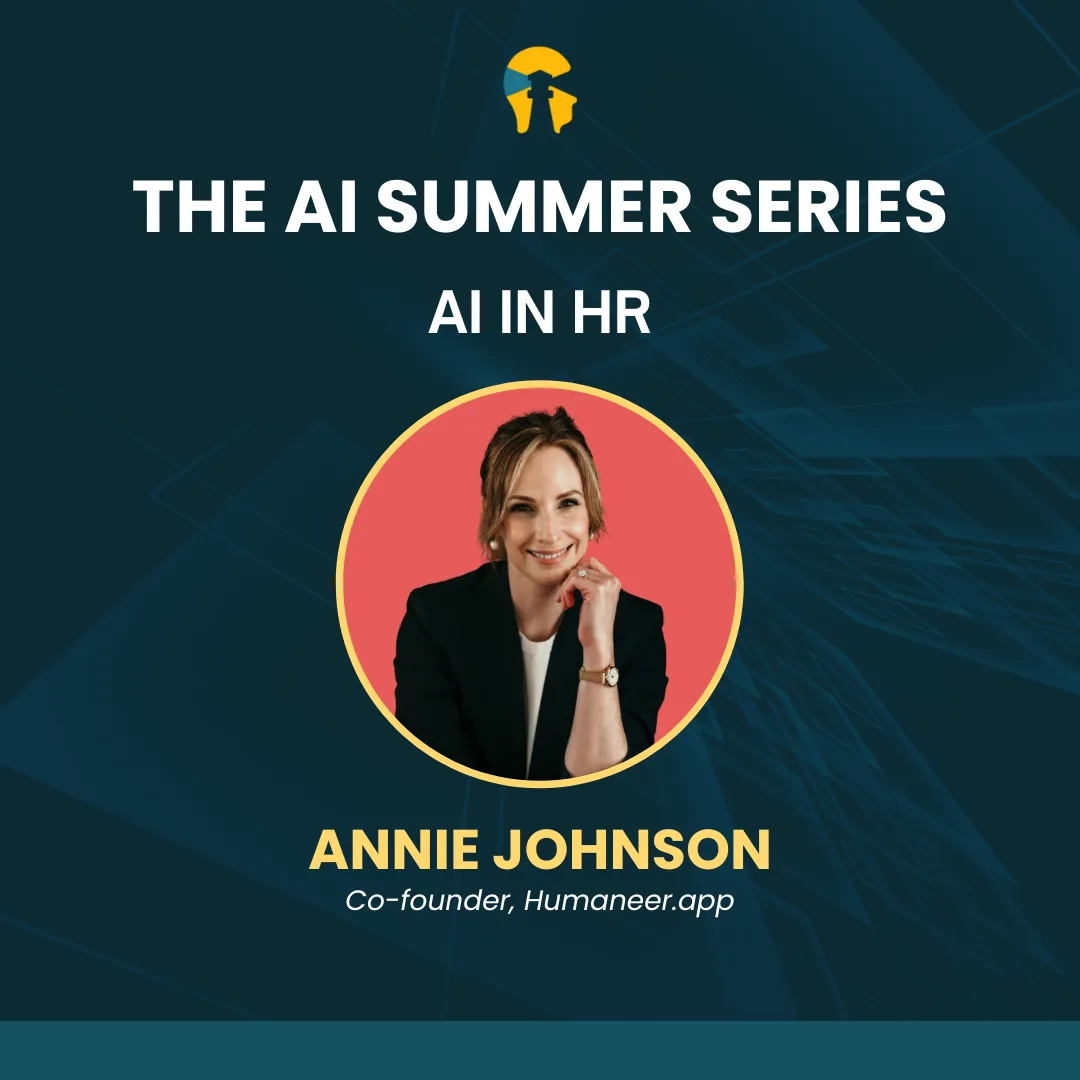
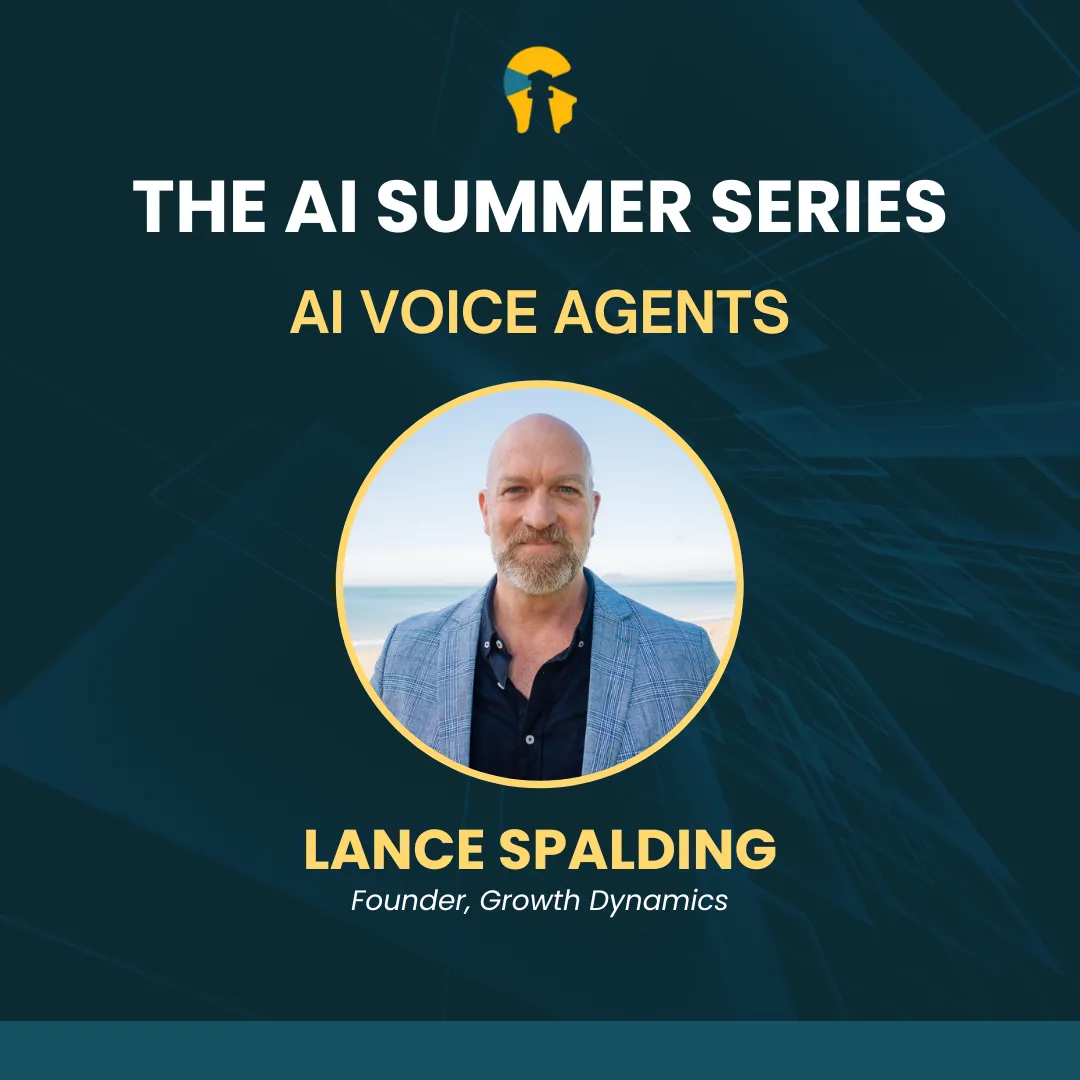
Week Two Speakers: (released 9 February 2026)
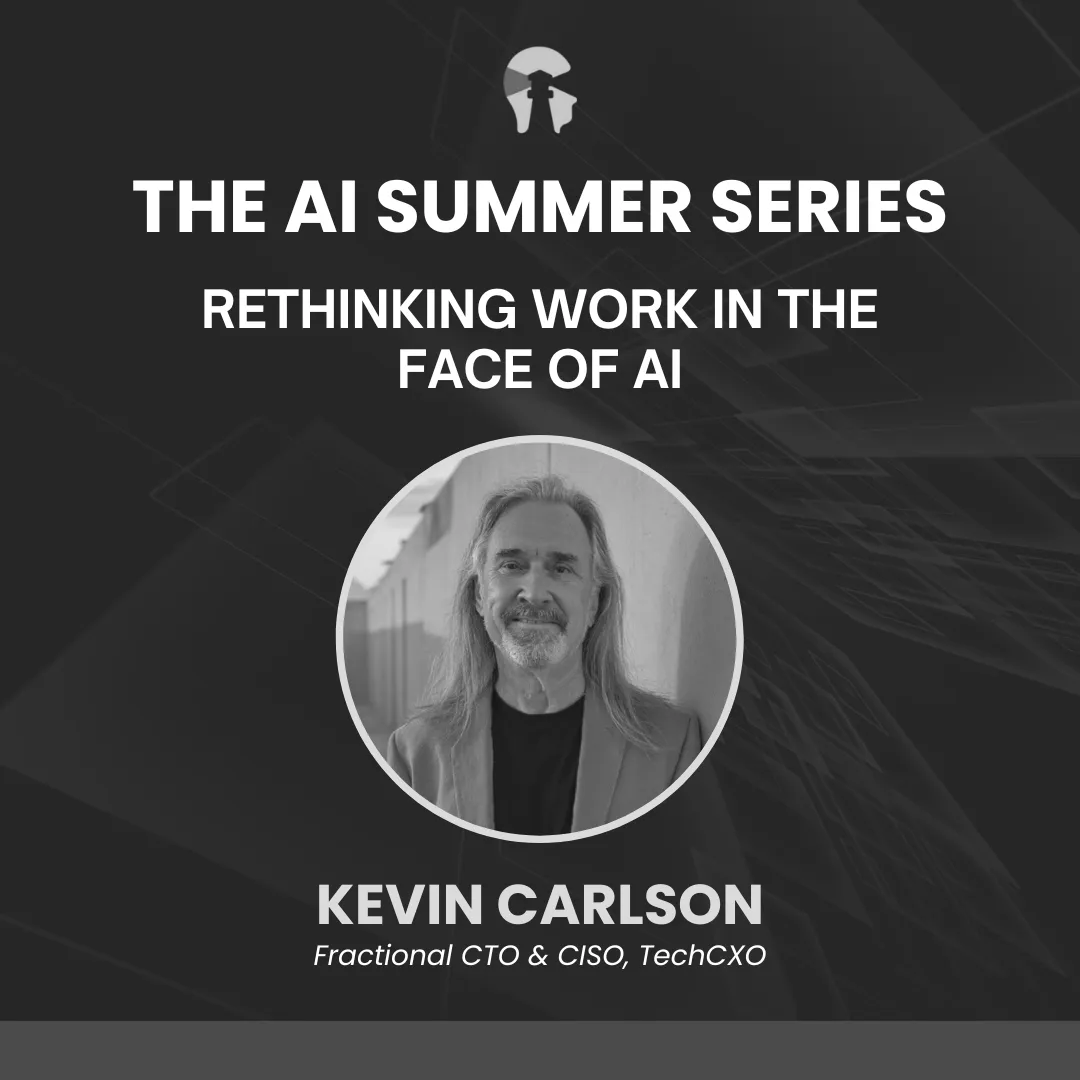
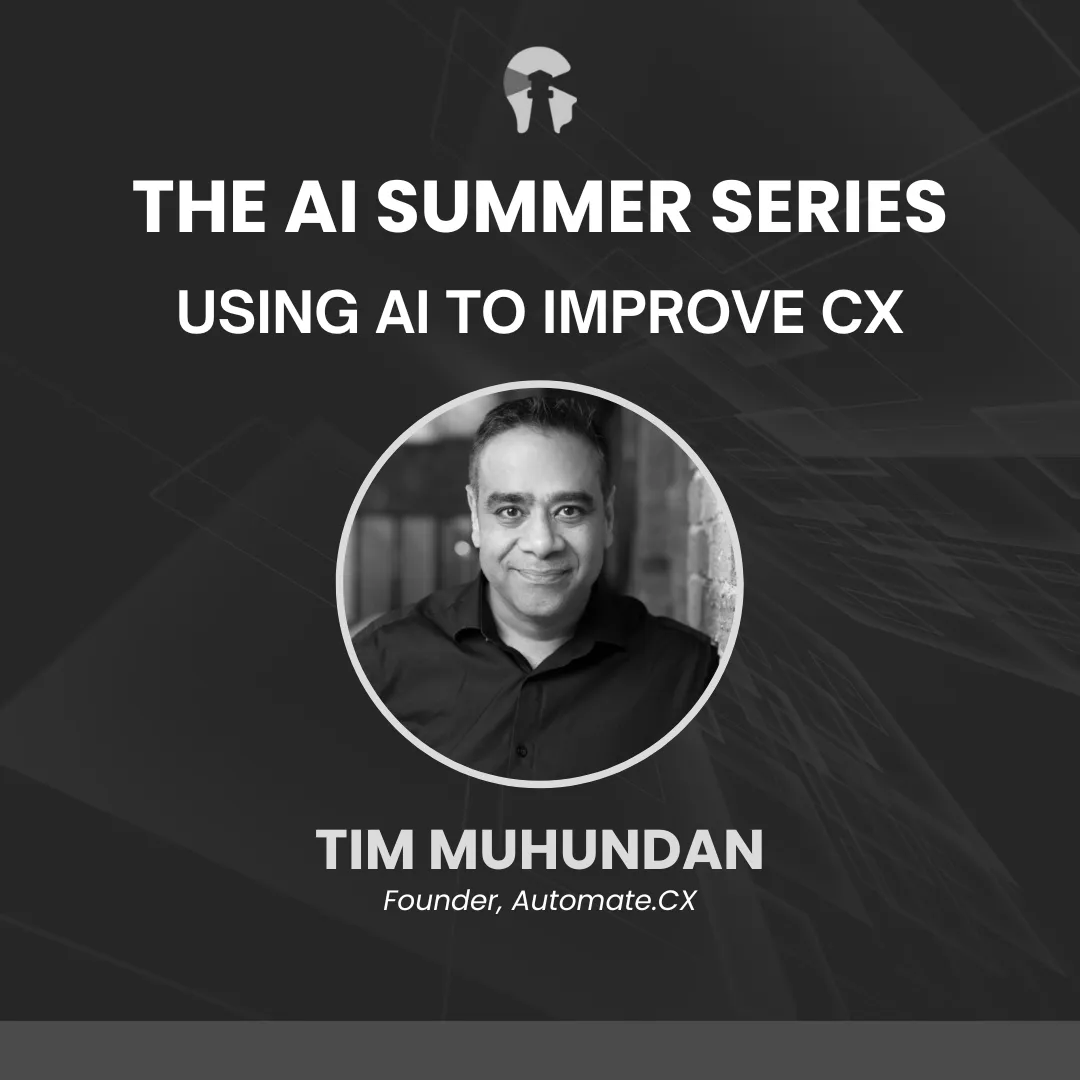
Week Three Speakers: (release 16 February 2026)
Week Four Speakers: (release 23 February 2026)